As Children Return To School, Parents Fret Over Shortage Of ADHD Meds
Many parents are spending hours each month tracking down their children's medication from any pharmacy that might have it in stock. And some who usually buy generic brands are finding their insurance won't pay for the brand-name version.
The New York Times:
ADHD Medication Shortage Continues As The School Year Begins
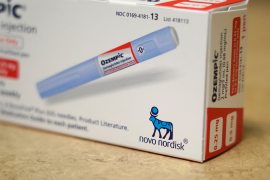
Parents and caregivers across the country are spending hours each month hunting down pharmacies with A.D.H.D. medication in stock and asking their doctors to either transfer or rewrite prescriptions, a process many equate to having a second job. Others pay hundreds of dollars out of pocket for name-brand drugs that are sometimes more readily available but, unlike generics, are not covered by their insurance. Some children end up taking similar but less effective medications or go without medication for months at a time because their families do not have the extra time or cash. (Caron, 8/15)
Houston Public Media:
Parents Of ADHD Students Concerned How They Will Fare This School Year As Medication Shortage Persists
The Simpsons spend a large portion of their time calling various pharmacies to find out if their son's medication is in stock, and when it is, they can only get one month's supply at a time. "One pharmacy said they had Focalin, but since it was the brand name, insurance wouldn't cover it," said Kate Simpson. For 20 days' worth of pills, the pharmacy said the medication would cost $600. Typically, the Simpsons pay less than $15 for a month's supply. "If I knew this was going to happen, I would've stock-piled it," Ryan said. "Instead of giving it to him during the summer, I would've stock-piled it so he could get through the school year." (Noel, 8/15)
More on the youth mental health crisis —
NBC News:
Emergency Room Doctors Beg For Help Treating Children With Mental Health Illnesses
Three influential groups of pediatricians and emergency medicine providers are pleading for more support and resources as the number of children and teenagers with mental health concerns overwhelm emergency departments nationwide. "The scope of this problem is really great," said Dr. Mohsen Saidinejad, a professor of emergency medicine and pediatrics at the David Geffen School of Medicine at the University of California, Los Angeles. "But our ability to solve it is not there." Saidinejad is the lead author of a joint policy statement from the American Academy of Pediatrics, the American College of Emergency Physicians and the Emergency Nurses Association released Wednesday. (Edwards, 8/16)
NBC News:
Latino Kids In Anti-Immigrant States Linked To Poorer Health: Study
Latino children living in states with more anti-immigrant laws and policies — and the resulting inequities in access — were linked to higher odds of chronic physical or mental health conditions, according to a study published Tuesday in the medical journal Pediatrics. (Flores, 8/15)