California Courts Consider Effects of Medicaid Fee Reductions for Pharmacists
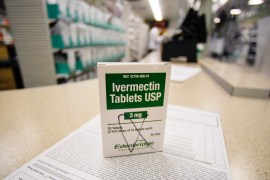
The Ninth U.S. Circuit Court of Appeals in San Francisco continues to hear arguments from pharmacists and California health officials about the potential effect of a 10% cut in Medi-Cal prescription drug fees on pharmacies, the San Francisco Chronicle reports. Medi-Cal is the state's Medicaid program. The state Legislature in February approved a fee reduction for all Medi-Cal health providers effective July 1. Pharmacists, patients and advocates sued to block the cut, saying that California violated a federal law requiring Medicaid fees to be sufficient enough to maintain availability and quality of care.
On July 11, the court ruled to block the reduction for up to one month. The state appealed the ruling and the court reinstated the cut on July 16, calling for additional arguments this week. Pharmacists contend the cut will lead to patients losing access to vital medications. Meanwhile, the California Department of Health Care Services says that a suspension of the cut would further intensify the state's budget deficit, which is now estimated at $17.2 billion.
The court has not said whether it plans to reconsider its order to reinstate the Medi-Cal fee reduction for pharmacies. The court has sent the lawsuit to a federal judge in Los Angeles who will decide whether to block the reduction for an extended period. A hearing is scheduled for Aug. 1
Physicians and dentists are challenging a 10% cut in their Medi-Cal fees in a separate lawsuit that will be heard Friday by a Superior Court judge in Los Angeles (Egelko, San Francisco Chronicle, 7/23).
Medi-Cal Payments for Other Providers Delayed
In related news, Medi-Cal payments will be on hold until a state budget is approved, California officials told health care facilities, the Los Angeles Times reports. The delay comes as the state has exhausted money from an emergency fund dedicated to making the payments. Nursing homes, health care clinics, adult day care centers and other businesses or organizations that California categorizes as a health care "institution" will be affected.
State law requires Medi-Cal to continue paying private physicians who treat beneficiaries, and pharmacists also will continue receiving reimbursements.
Many organizations affected by the payment freeze are using reserves or working to secure loans from banks and foundations to maintain operations. According to the Times, facilities might face steeper costs on loans this year because banks are more reluctant to offer bridge loans to the facilities (Halper, Los Angeles Times, 7/24).