New York Times Examines ‘Culturally Sensitive’ Care
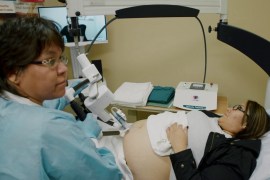
The New York Times on Oct. 1 examines the trend toward "culturally sensitive care," a practice in which health care providers "emphasize the role that culture plays in shaping people's attitudes toward medicine." According to supporters of the practice, many patients have "deeply ingrained attitudes toward health and disease that derive from varied backgrounds" that may "clash" with standard U.S. health care practices and affect patient care. The attitudes may include an increased emphasis on herbal or home remedies, the use of "traditional healers" or the consideration of illnesses in "spiritual terms," the Times reports. In recent years, the practice of culturally sensitive care has "expanded rapidly" to consider different attitudes, which may result from religious, linguistic, ethnic, economic and gender differences. For example, the Office of Minority Health at HHS last year issued standards for "culturally and linguistically appropriate services." The Joint Commission on Accreditation of Healthcare Organizations also plans to issue new guidelines on culturally sensitive care after the group reexamined the issue this year, the Times reports (Maranto, New York Times, 10/1).
This is part of the Morning Briefing, a summary of health policy coverage from major news organizations. Sign up for an email subscription.