Report Examines Use of Evidence-Based Maternity Care; Guide, Survey Examine Presidential Nominees’ Health Care Proposals; GAO Examines Charity Hospitals’ Community Benefits
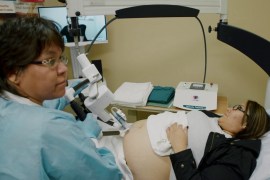
- "Evidence-Based Maternity Care: What It Is and What It Can Achieve," Childbirth Connection: The report argues that while U.S. women pay more than those in any other country for maternity care, they do not receive the highest quality care. The report looks at how maternity care is delivered and financed, and how it is received from the perspective of mothers' families and health care payers. The report concludes that maternity care can be greatly improved by using evidence-based care. The report also notes that caesarean sections are overused, a trend caused by physicians' preference for the procedure, rather than by the health needs of pregnant women and infants (Childbirth Connection release, 10/8).
- "Health Reform Guide Helps Women Understand the Candidate's Proposal," Women's Health Policy and Advocacy Program: The guide provides an analysis of how health care proposals from presidential nominees Sens. John McCain (R-Ariz.) and Barack Obama (D-Ill.) could affect women. The guide uses the stories of seven fictional women, all with different health problems and insurance coverage, to show how the plans would affect women in a variety of situations, both medically and financially (Connors Center for Women's Health and Gender Biology at Brigham and Women's Hospital release, 10/14).
- "National Voter Survey," Partnership To Fight Chronic Disease: The nationwide survey shows that health care is second only to the economy in importance as an election issue. Researchers interviewed 1,500 likely voters from Oct. 5 to Oct. 9. About six in 10 respondents said health care is "the major issue" or "one of the major issues" influencing their vote. The survey also finds that health care is the single most serious concern for voters in their own lives. In addition, when asked what the most effective means of improving the U.S. health care system is, respondents identified fighting chronic illness as the most promising approach. The results had a margin of sampling error of plus or minus 2.5 percentage points (Partnership To Fight Chronic Disease release, 10/14).
- "Variation in Standards and Guidance Limits Comparison of How Hospitals Meet Community Benefit Requirements," Government Accountability Office: The report examined differences in the way charity hospitals, which receive tax-exempt status for performing services that benefit the community, define community benefits. GAO found that variations in activities not-for-profit hospitals define as community benefits lead to substantial differences in the amount of community benefits they report. Even if hospitals define the same activities as community benefits, the facilities may measure their cost differently, according to GAO. It is "important that federal and state policymakers and industry groups continue their discussion addressing the variability in defining and measuring community benefit activities," according to GAO ("Variation in Standards and Guidance Limits Comparison of How Hospitals Meet Community Benefit Requirements," GAO, September 2008).
This is part of the Morning Briefing, a summary of health policy coverage from major news organizations. Sign up for an email subscription.