Longer Looks: Interesting Reads You Might Have Missed
Each week, KFF Health News finds longer stories for you to enjoy. Today's selections are on Black paramedics, limb lengthening, mammograms, gene-editing, and more.
The New York Times:
Black Paramedics, Ahead of Their Time, Gain Belated Recognition
Freedom House Ambulance Service in Pittsburgh, a pioneer in emergency care, was largely forgotten. Now, members of Congress want to honor it. (Robertson, 2/20)
The New York Times:
‘I’d Like to Be Normal’: Can Height Surgery Make Them Happy?
Limb-lengthening can add inches to a person’s stature. But its risks have made it controversial. (Kwai, 2/17)
North Carolina Health News:
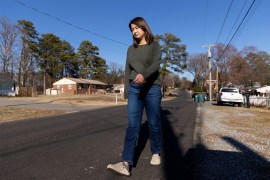
After An Abnormal Mammogram, A Battle For Care
Kimberly Sanders thought she was doing the right thing when she stepped into a mobile mammogram van parked outside her Charlotte workplace, a primary care clinic, last October. It seemed like a simple, convenient way to get her annual breast cancer screening. But when the scan came back abnormal, Sanders, 60, hit an unexpected barrier that threatened to delay the time-sensitive follow-up care she needed. (Crouch, 2/18)
AP:
Could Gene Editing Offer The One-Time Fix For Artery-Clogging Cholesterol?
Scientists are testing an entirely new way to fight heart disease: whether gene editing might offer a one-time fix for high cholesterol. (Neergaard, 2/11)
The New York Times:
How Microbes Got Their Crawl
A flurry of new studies is shedding light on one of the biggest steps in the history of life: the evolution two billion years ago of complex cells from simpler ones. In the oceans and on land, scientists are discovering rare, transitional microbes that bridge the gap. The differences between complex cells, including those in the human body, and simple microbes such as E. coli are stark. Complex cells are packed with compartments; one, known as the nucleus, stores DNA; others, called mitochondria, contain enzymes that generate the cell’s fuel supply. (Zimmer, 2/18)