NewYork-Presbyterian Hospital, Nurses Make Tentative Deal To End Walkout
The last set of holdouts picketing for better working conditions will vote on whether to ratify the agreement in the coming days. Other companies making headlines include EmblemHealth, Community Health Systems, UnitedHealthcare, Change Healthcare, Banner Health, and more.
The New York Times:
Last Group Of Striking N.Y.C. Nurses Reach Tentative Deal With Hospital
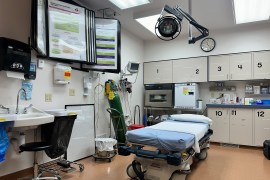
After a strike that lasted nearly six weeks, nurses at NewYork-Presbyterian/Columbia hospital said early Friday that they had reached a tentative agreement with one of New York City’s largest medical centers. If the deal holds, it would end one of the largest — and longest — strikes by nurses in recent decades. On Jan. 12, nearly 15,000 nurses at three major New York health systems walked out, citing a range of grievances, from nurse staffing levels to episodes of workplace violence. (Goldstein, 2/20)
On the accuracy of provider directories —
Stat:
National Provider Directory Set To Launch This Year With Beta Test
After years of grand ambitions, the federal government disclosed that it is months away from rolling out a centralized list of doctors and hospitals filled with up-to-date contact and insurance information. (Herman, 2/19)
ProPublica:
EmblemHealth Agrees To $2.5 Million Settlement For Failing To Fix Mental Health Provider Directory Errors
One of New York’s largest health insurers is set to pay a multimillion-dollar fine for failing to fix a series of errors that made it harder for its customers to get mental health care. EmblemHealth this week agreed to a $2.5 million settlement with the New York attorney general’s office because of the large number of inaccuracies in its listings of in-network mental health providers, a problem that has persisted for years. (Blau, 2/19)
More health industry developments —
Modern Healthcare:
St. Jude CEO James Downing To Step Down
Dr. James Downing will step down this year as president and CEO of St. Jude Children’s Research Hospital, the nonprofit hospital announced Thursday. Downing, who has led the hospital for more than 12 years, will move into a faculty role in its global pediatric medicine department. The St. Jude board plans to announce his successor this summer and complete the leadership transition by the end of the year. (Kacik, 2/19)
St. Louis Public Radio:
Hospital Re-Opens In North St. Louis As Archview Hospital
A new microhospital is now open in north St. Louis at the site of another that shut down abruptly in 2024. Archview ER and Hospital began taking patients in December at the former Homer G. Phillips Memorial Hospital location on North Jefferson Avenue. Officials there say they’re in the process of getting approval to accept Medicaid and Medicare insurance. (Fentem, 2/19)
Modern Healthcare:
Community Health Systems Earnings Boosted By Hospital Sales
Community Health Systems isn’t quite finished with its recent selling push. The Franklin, Tennessee-based health system reported a positive swing in its financial results in 2025, largely due to divestitures and other efficiency initiatives. The company is in early discussions regarding a couple of other sales transactions, CEO Kevin Hammons said on a Thursday fourth-quarter earnings call. (Hudson, 2/19)
Honolulu Civil Beat:
Mistaken Identity Case At Hawaii State Hospital May Cost State $200K
A bizarre case of mistaken identity that landed a then-homeless man in jail and later caused him to be confined in Hawaiʻi State Hospital for more than two years will cost the state $200,000 under a proposed legal settlement. The lawsuit filed on behalf of Joshua Spriestersbach, 54, alleges he told his lawyers with the state Office of the Public Defender time and again he was not the man named in the warrant that prompted his arrest on May 11, 2017 — to no avail. (Dayton, 2/19)
MedPage Today:
United Healthcare Reins In Access To Specialty Care In Medicare Advantage
Starting May 1, enrollees in UnitedHealthcare health maintenance organization (HMO) or HMO-point of service Medicare Advantage plans nationwide must get a primary care provider's referral before seeing a wide array of specialists, which several health advocates say will lead to confusion and care delays for millions of seniors. UnitedHealthcare, the nation's largest provider of Medicare Advantage plans, warned that specialty care without a referral wouldn't be reimbursed and that physicians would be on the hook for absorbing the enrollees' cost of specialty care. (Clark, 2/19)
Modern Healthcare:
Change Healthcare Breach: The Cyberattack’s Impact 2 Years Later
It’s been two years since a cyberattack against Change Healthcare roiled healthcare, exposing data on 190 million consumers and demonstrating the vulnerabilities of an industry so reliant on one vendor. The Feb. 21, 2024, attack by ransomware group BlackCat forced UnitedHealth Group, Change Healthcare’s parent company, to disable functions including claims processing, prescription management, payment, prior authorization and insurance verification. Chaos ensued as critical functions ground to a halt. (DeSilva, 2/19)
Modern Healthcare:
Banner Health Upgrades Intuitive Surgical Robots To Da Vinci 5
Banner Health upgraded its entire fleet of Intuitive Surgical’s da Vinci Xi surgical robots to the company’s new da Vinci 5 model. Leaders said the organization is seeking to advance and standardize its robotic capabilities, thereby reducing variation and supporting best practices. The Phoenix-headquartered health system did not disclose how many robots were part of the upgrade or the cost of the investment. It has a total of 49 da Vinci 5 robots, including newly upgraded units and existing ones. (Dubinsky, 2/19)
Also —
KFF Health News:
When It Comes To Health Insurance, Federal Dollars Support More Than ACA Plans
Subsidies. Love ’em or hate them, they dominated the news during the Affordable Care Act’s sign-up season, and their reduction is now hitting many enrollees in the pocketbook. While lawmakers continue to disagree on a way forward, and the politics of affordability keeps the issue front and center, it would be understandable to think these are the only taxpayer-funded health insurance subsidies in the U.S. system. But that would be wrong. (Appleby, 2/20)