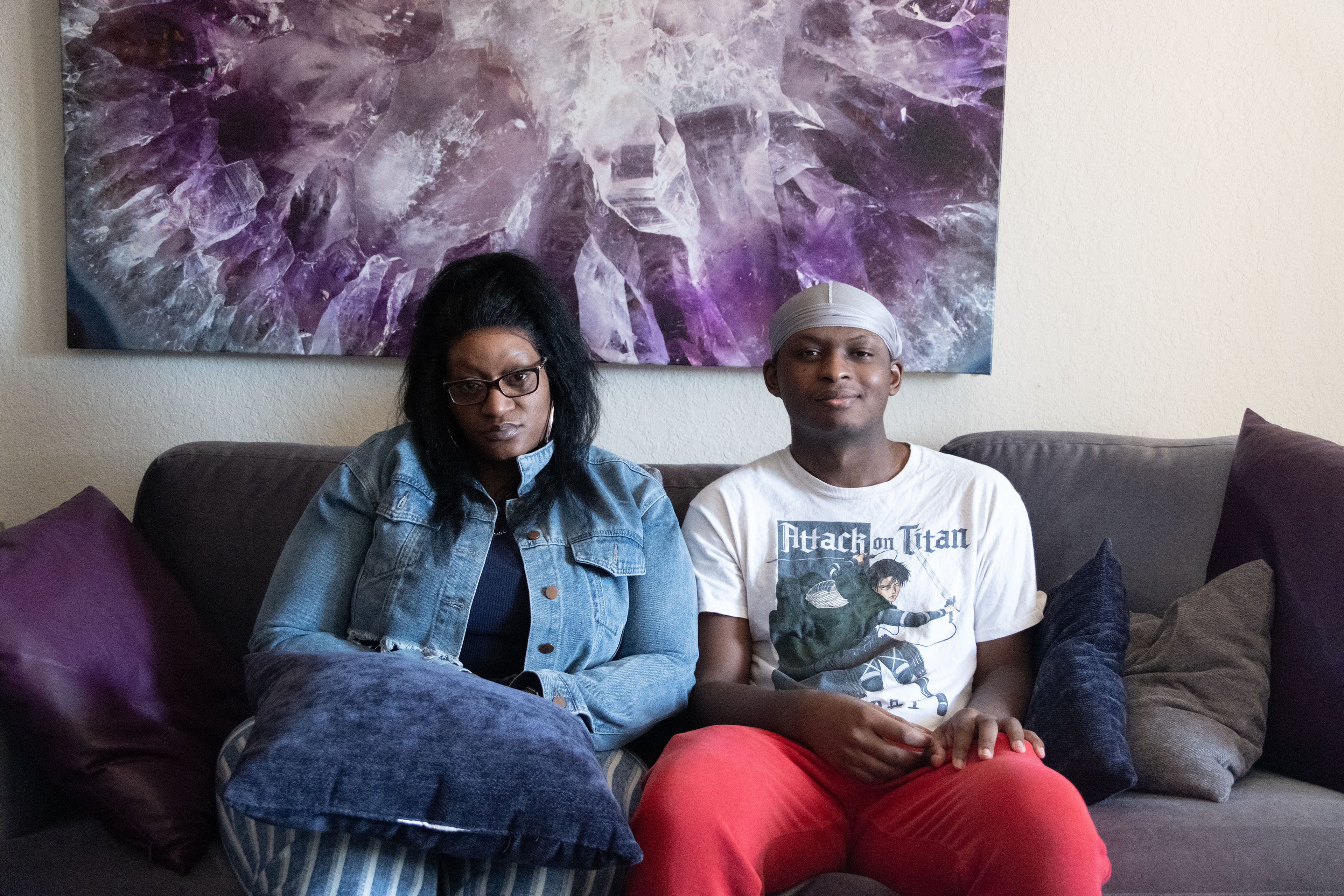
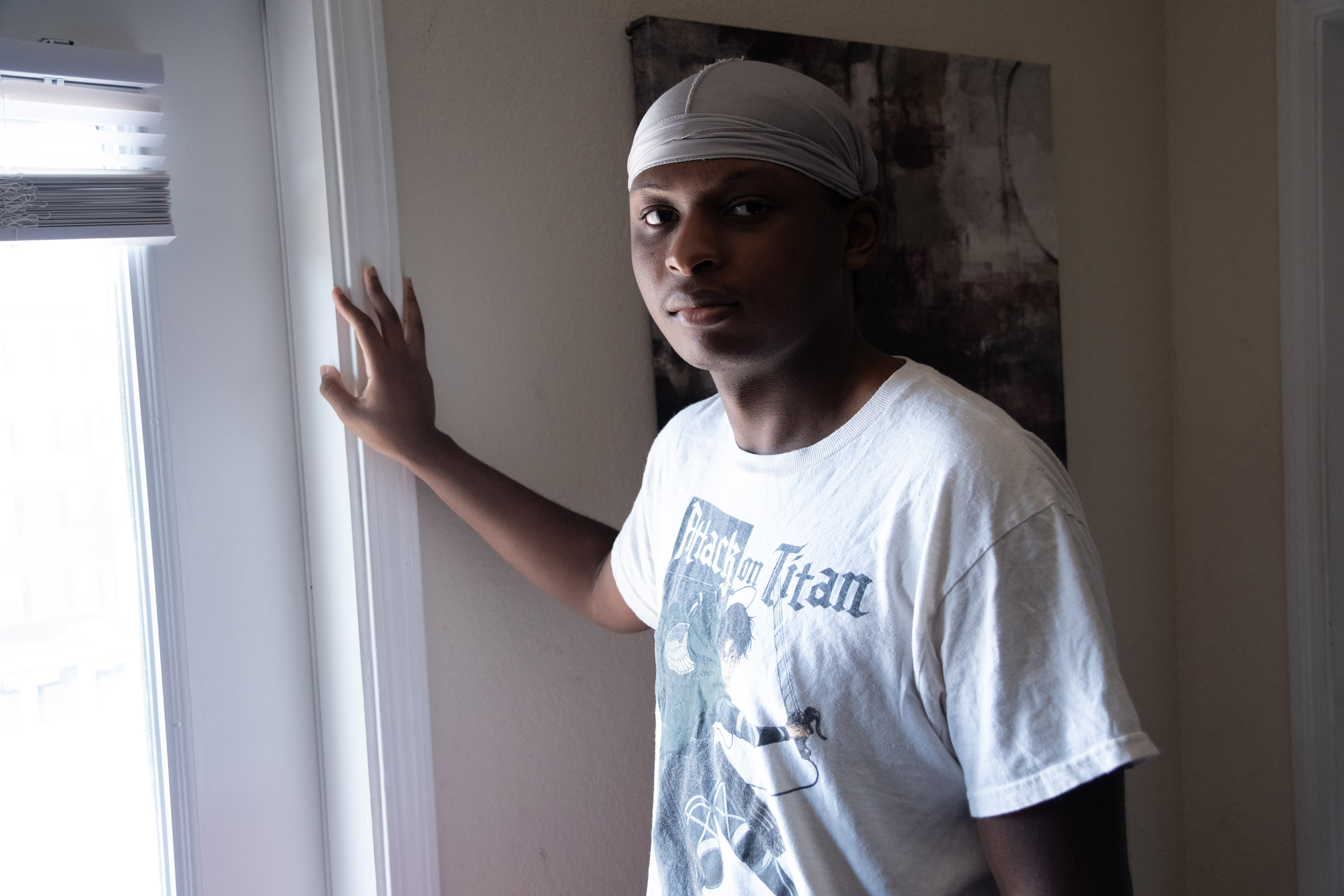
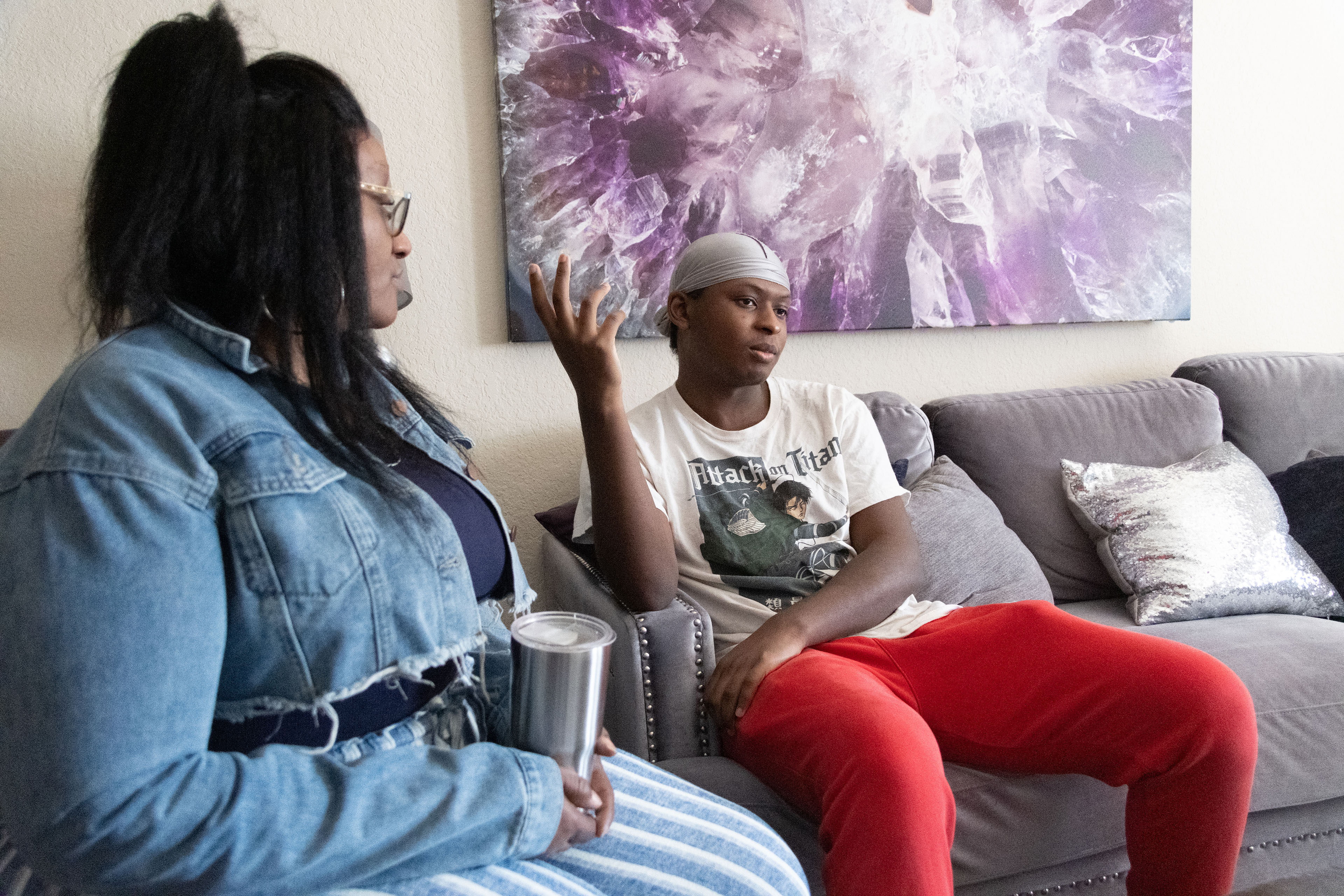
JACKSONVILLE, Fla. — In 2019, after a routine vaccination, 11-year-old Keithron Thomas felt a sharp pain in his shoulder and down his arm. His mother, Melanie Bostic, thought it would go away after a few days. But days turned to weeks, then months, and years.
Bostic learned of a federal program designed to help people who suffer rare vaccine reactions.
The Vaccine Injury Compensation Program was created in 1986 after a flood of vaccine injury lawsuits drove drugmakers from the market. Congress aimed to offer a faster and more generous path to compensation for people injured by vaccines, while shielding manufacturers from liability. The VICP, commonly known as vaccine court, is taxpayer-funded. The government pays any award to claimants as well as attorneys fees.
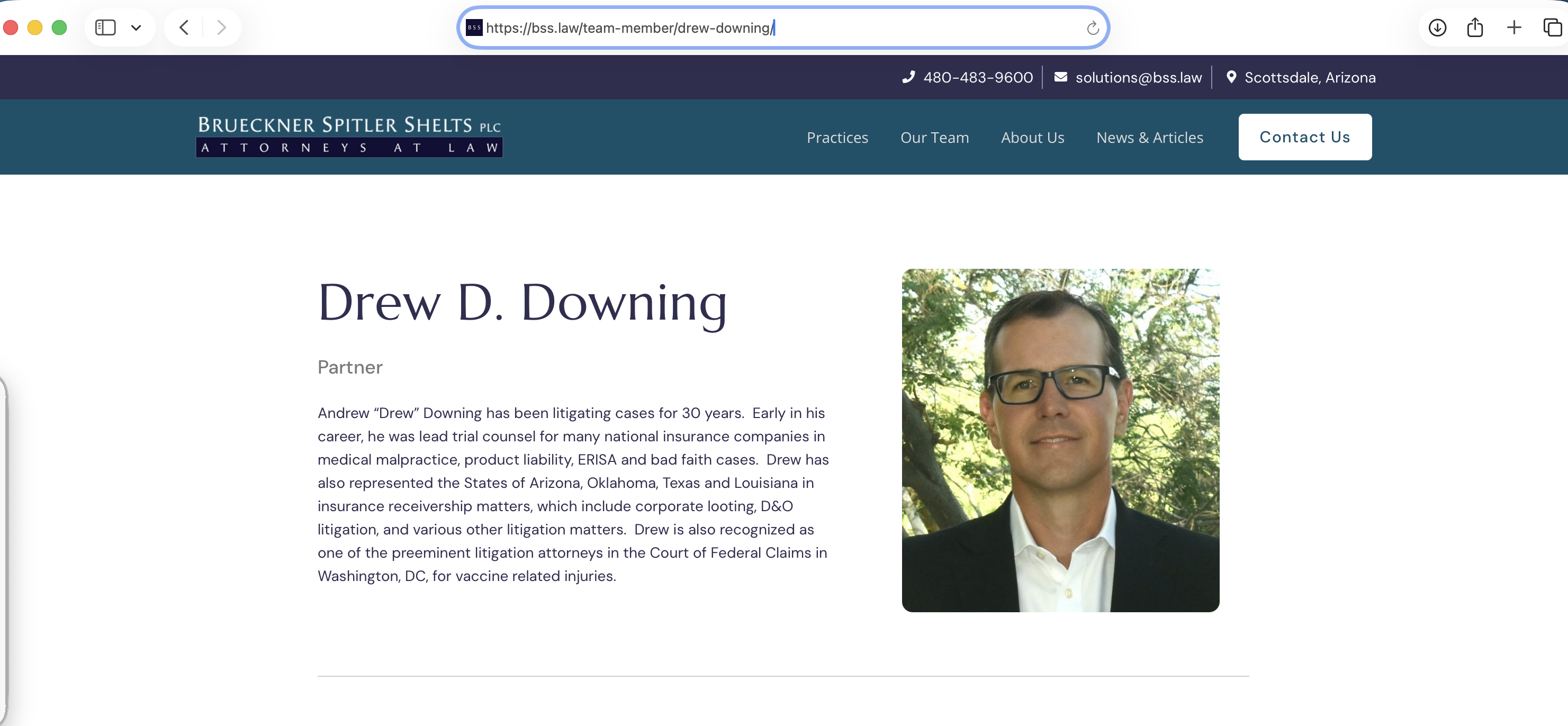
Bostic filed a claim in 2022 for compensation to cover her son’s spiraling medical bills. She then contacted the Carlson Law Firm, which referred her to Arizona-based attorney Andrew Downing — who now serves as a senior adviser to Health and Human Services Secretary Robert F. Kennedy Jr.
Downing declined to comment and HHS did not respond to requests for comment for this article.
Downing, who has represented hundreds of plaintiffs in vaccine court in Washington, D.C., signed on to take their case, according to a contract reviewed by KFF Health News. They agreed Downing would pursue the claim before the VICP.
Bostic shared documents and medical records as he requested them. Months passed as she waited for news on her son’s case.
After several months of making court filings, Downing told her it was time to opt out of the vaccine program and sue the drugmaker. When she refused to opt out, he withdrew from the case.
The government paid Downing $445 an hour for representing Bostic, which is typical for program attorneys with his experience, according to court records.
Three years later, Bostic said, she hasn’t received a dime for her son’s injury. Thomas, now 18, endures debilitating pain that doctors say may never go away.
Rather than help them work through the program, Bostic feels that Downing steered them away from it and toward a lawsuit against the manufacturer. The VICP ultimately dismissed her case.
Bostic was furious that the court paid Downing anything.
“Y’all could’ve gave that to me for my son,” she said. “How dare y’all.”
In Business With Washington
In June, Kennedy’s HHS also awarded Downing’s law firm, Brueckner Spitler Shelts, a sole-source federal contract to consult on an overhaul of the VICP. The contract has grown to $410,000. Downing is the only attorney listed on the firm’s website who has practiced in vaccine court.
Kennedy has routinely questioned vaccine safety and called the VICP “broken,” saying it shields drug companies from some liability “no matter how negligent they are.” As a personal injury lawyer, Kennedy previously spearheaded civil litigation against vaccine maker Merck.
Downing and about a dozen other lawyers have transferred hundreds of clients from the vaccine program to civil suits, where the financial rewards — for patients and their lawyers — could run far higher, according to a KFF Health News analysis of court records and program data. They’ve collected millions of taxpayer dollars in attorneys fees from vaccine court while launching precisely what it was designed to avoid: lawsuits against vaccine manufacturers.
This shift in legal strategy has fueled Kennedy’s crusade against Merck, and it could end up hurting some vaccine-injured clients, several experts said.
University of California Law-San Francisco professor Dorit Reiss has studied vaccine court for over a decade and has tracked the rise of anti-vaccine forces in American politics. She said VICP attorneys who are also suing vaccine makers have “incentives to direct more people” to lawsuits, “when it might not be in their best interest.”
A Delicate Balance
Kennedy has criticized the VICP as a barrier to accountability. But for Bostic, vaccine court offered an opportunity to hold the government to its promise of caring for casualties of widespread immunization.
Like any medication, vaccines can have side effects. Serious reactions to routine shots are rare, but for the unlucky few who bear this burden, the government promises recourse through its administrative program.
Vaccine court aims to strike a balance between protecting public health and helping individuals who may pay its price. The no-fault program allows claimants with vaccine-related injuries to get help without showing that the vaccine maker did anything wrong, even when the evidence doesn’t meet courtroom standards.
The program has made more than 12,500 awards, totaling roughly $5 billion in compensation. Historically, nearly half of claims have been resolved with some kind of award.
If patients aren’t satisfied with the outcome or don’t get a ruling within 240 days, they may leave the administrative program and sue the vaccine maker in civil court. Plaintiffs could potentially win larger awards. Lawyers could obtain higher fees, which they can’t in vaccine court.
But winning a civil suit is far more difficult, in part because plaintiffs have a greater burden of showing the vaccine caused their injury and that the maker was at fault. Since the VICP was created, no vaccine injury lawsuit has won a judgment in regular court, records show.
That hasn’t stopped some lawyers from trying. After the requisite 240 days, they have transferred hundreds of VICP claims into civil litigation against HPV vaccine manufacturer Merck, the KFF Health News analysis found.
The lawyers who represented those claims include Downing and other VICP attorneys with ties to Kennedy, court records show. Those include Kennedy advisers and people who work in the law office of his longtime personal lawyer Aaron Siri or with Children’s Health Defense, the anti-vaccine outfit Kennedy founded, as well as a former Kennedy co-counsel in suits against Merck over its HPV vaccine, Gardasil.
Downing, whose law firm biography describes him as “one of the preeminent litigation attorneys in the Court of Federal Claims,” has not won an HPV vaccine injury claim in the past five years, records show. Vaccine court did compensate dozens of HPV vaccine claims in that time, but most — including nearly all of Downing’s — were withdrawn upon reaching the opt-out period.
VICP data and court records show that over the past five years, Downing and other lawyers withdrew roughly 400 Gardasil claims from vaccine court before a ruling was issued. The plaintiffs received nothing from the program. Hundreds of these cases joined the litigation against Merck, according to court records.
Once the opt-out period arrived in Bostic’s case, Downing informed her that he was preparing to withdraw her son’s claim and move the case back to the original law firm for a lawsuit against Merck.
“That,” he wrote in an email, “was the plan all along.”
Fighting for Compensation
Thomas, who hopes to enroll in community college and become a computer programmer, has intermittent numbness in his fingers and stabbing sensations in his arm nearly every day. The pain often radiates across his back or up his neck, and he’s developed migraines. Once an active kid who dreamed of playing basketball professionally, he now spends his time playing video games and trying to sleep during lulls in his pain.
Bostic’s claim on behalf of her son made him one of about 1,000 people who have filed with vaccine court for HPV vaccine injuries. More than 200 have received compensation — just over one for every million shots given. Court records show program awards were typically $50,000 to $100,000, with some also covering past medical bills or future health care expenses.
Richard Hughes IV, a health care attorney and former pharmaceutical executive who teaches vaccine law at George Washington University Law School, reviewed Thomas’ records and said cases like his were exactly what the vaccine program was designed to address.
“That just seems straightforward,” Hughes said of Thomas’ claim. “That should have gotten compensated.”
Bostic wanted the federal agencies that had approved and recommended Gardasil to answer for her son’s injuries. The single mother hoped compensation from the program would allow Thomas to see specialists including neurologists, afford natural treatments, and enroll in physical therapy.
“He would have had the best of the best health care,” she said.
When Downing took their case, Bostic said, he told her during a phone call that vaccine court’s $250,000 limit on pain and suffering was too low for her son’s injury. Bostic said Downing advised she could get more money by suing Merck, though that could take longer.
“I said, ‘No, that will take years. My son needs help now,’” Bostic recalled.
Bostic said she told Downing she wanted a fund set up for Thomas’ health care as soon as possible.
In the following weeks, Bostic sent paperwork to Downing’s office but had difficulty getting in touch with him, email and text messages show. Downing’s billing records show a gap in his work on the case from late September until mid-November.
In November 2022, Downing emailed Bostic, “The opt out date for K.T.’s case is set for April 23, 2023. At that point, we will be in a position to opt K.T.’s case out of the Vaccine Program and move the case back over to the Carlson Law Firm for handling in the Merck litigation.”
Bostic said she was confused at the time by that language. But she remembers being emphatic in a follow-up phone call with Downing, repeatedly telling him she would not opt out.
After that, Bostic said, she didn’t hear from Downing for months despite calling his office and leaving messages with secretaries.
Downing’s billing records show that he and his paralegals spent fewer than nine hours on Bostic’s case in that stretch. This included time spent requesting, reviewing, and filing medical records, as well as drafting and filing extension requests. The billing records did not include any communication with Bostic during that time.
The court granted each of Downing’s extension requests, pushing back the deadline a month at a time.
In April 2023, Downing sent Bostic an email noting that 240 days had passed, so he could drop their government claim and they could sue Merck.
“Gardasil cases do not receive very fair treatment in the Vaccine Program,” Downing wrote, adding that he would withdraw as her attorney if Bostic stayed in the program.
Bostic chose to stick with vaccine court, later telling the vaccine court judge by email that she’d advised her attorney “I was not trying to become a millionaire.”
That exchange of emails in April is when Bostic said she learned Downing was already representing plaintiffs in lawsuits over Gardasil. The litigation encompassed hundreds of other patients who — most of them under Downing’s counsel — had filed VICP claims in recent years.
Running out the 240-day clock, critics say, is allowed but subverts the program’s intent.
Some legal experts criticize the way Downing handled Bostic’s case.
“They trusted him to file the VICP case,” Reiss said. “It’s his job to zealously advocate for his clients. In this case, his clients want to go through VICP. It’s his job to fight for them in VICP, not to wait for 240 days.”
When Downing joined HHS as a senior adviser to Kennedy, court records show, he handed off his remaining vaccine court cases to other attorneys in firms involved in the litigation against Merck.
A New Approach
The vaccine program has long faced criticism for giving claimants too little, too late. Even VICP advocates see the need for reform, with eight officials deciding a growing backlog of claims, driving up wait times. The cap on pain and suffering payments has not changed since 1986. But the court can award further compensation like a fund for lifetime medical care that can reach millions.
Most vaccine-injured individuals are better off in the administrative program than in civil litigation, legal experts said.
Renée Gentry, director of GWU’s Vaccine Injury Litigation Clinic and a founding member of the Vaccine Injured Petitioners Bar Association, has represented hundreds of families alleging vaccine injuries. Most of them, she said, aren’t focused on big payouts; rather, they “want their kid taken care of or they want to be taken care of.”
For claims that often fail in vaccine court, however, Gentry said a lawsuit may be the best option. According to Gentry, HPV vaccine claims like Thomas’ are particularly challenging to win in the VICP.
“If you’re not going to win, then you want those clients to have at least an opportunity at something,” she said.
For Mark Sadaka, a prominent vaccine court lawyer representing some claims in Merck litigation, sending clients to regular court is a last resort.
Sadaka said certain Gardasil injury claimants, such as those alleging mental rather than physical harm, might be better off in litigation. But by sticking it out in the VICP, Sadaka has won HPV vaccine injury claims that were the first of their kind, including for narcolepsy, alopecia, and even a deadly arrhythmia.
“He’s going to get taken care of for the rest of his life,” Sadaka said of his client who won compensation for narcolepsy in 2023. “And he doesn’t have to pay me anything.”
Sadaka, like all program lawyers, gets an hourly rate from the VICP. He said that he could make much more money representing the same claims in traditional litigation, since he could get a cut of any awards.
“It’s a better thing for me to file in regular court and get a higher fee, but for the client, sometimes it makes sense, sometimes it doesn’t,” Sadaka said. “My role is to explain both sides in gross detail for them and give them as much information as possible so they can make an informed decision.”
According to Sadaka, some lawyers in the VICP automatically advise their clients to leave vaccine court and file a lawsuit.
“If they can extract settlements, they’re going to be very happy to put that money in their pockets,” Hughes noted.
Winning a lawsuit or reaching a major settlement could also spell trouble for nationwide vaccine access, replaying the events that gave rise to vaccine court in the 1980s.
Some vaccine lawyers and policymakers believe Kennedy and his colleagues might welcome a return to those days.
“If they can bring down the system, that’s a feather in their cap,” Hughes said.
Lawyers cannot win contingency fees in vaccine court. They get paid for time spent on reasonable claims whether they win or lose. Downing made more than $1 million representing clients before the VICP in recent years, according to court records.
A January VICP report shows that since fiscal year 2020, the program has paid scores of attorneys about $280 million — including over $43 million for cases they did not win.
In each of the last two fiscal years, lawyers got roughly $9 million for VICP claims in which their clients got nothing. That was more than the program had ever previously paid to attorneys for unsuccessful claims, according to vaccine court data.
‘Learning How To Cope’
After discovering her attorney would not pursue VICP compensation for her son, Bostic decided to advocate for Thomas herself.
“Please help me,” she wrote in a letter to the court.
VICP staff gave Bostic extra time to find a new lawyer and gather records.
The following months proved difficult for the family. Bostic was hospitalized with a life-threatening condition. Her mother’s health declined. She was laid off and lost her family’s health insurance.
By the time Bostic could take Thomas to a pediatric neurologist to get medical records for his VICP case, she said, the doctor had moved hours away to Orlando.
Bostic repeatedly missed deadlines and failed to communicate with program staff as required, court records show. Emails, docket entries, and letters suggest she may have misunderstood some court orders and not received others.
When Thomas’ medical records remained incomplete for another year, the presiding official dismissed Bostic’s claim, writing that while he had sympathy for what she and her son had endured, “the case cannot be allowed to remain pending indefinitely.”
Thomas said he can no longer play basketball with friends. He can’t even help his mother carry groceries into the house.
“I got to live with this, and there’s pain,” he said.
Bostic now works from home as a bank fraud analyst. With an income just above the cutoff for government assistance, she puts in overtime in hopes of affording health insurance for Thomas and her six other children.
“People are asking, ‘How’s your son doing?’” Bostic said. “I normally say, ‘Still the same. We just learning how to cope with it.’”
Methodology
The KFF Health News analysis began with court records for cases in the U.S. Court of Federal Claims, which includes vaccine court. We first identified all cases since 2006 (when the HPV vaccine was introduced) in which the “nature of suit” field explicitly mentioned human papillomavirus, or in which “nature of suit” was categorized as “other” vaccine injury/death and the case text included the word “papillomavirus.” The latter made up about 10% of identified cases, mostly claims filed before the HPV vaccine was added to the program or claims involving multiple vaccines. We cross-referenced the number of cases with data from VICP reports to verify completeness.
After identifying the relevant vaccine court cases, we pulled these claims’ filing and closing dates and took the difference to find the number of days that each case spent in vaccine court. To estimate total attorneys fees awarded for these claims, we added the fee amounts recorded in dozens of the VICP rulings and derived a minimum estimate based on the number of such cases.
We then searched federal court records for litigation over Merck’s HPV vaccine, Gardasil, and pulled the names of the plaintiffs and attorneys involved. To gauge the scale of claims diverted from the VICP to litigation, we searched for each attorney in the Gardasil-related vaccine court cases and searched for the last name of each plaintiff in the titles of those cases.