Latest KFF Health News Stories
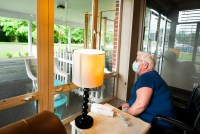
Families Complain as States Require Covid Testing for Nursing Home Visits
Relatives say it is important they be allowed to go into nursing homes because staff shortages are affecting care. And many are still upset about lengthy separations from loved ones during lockdowns earlier in the pandemic.
Muchos familiares dicen que no pueden conseguir las pruebas ante la enorme demanda y la escasez de suministros, lo que les impide ver a sus seres queridos.

Supreme Court Weighs Biden’s Workplace Vaccine Requirements
The court is considering whether to let the rules go into effect as opponents fight them in lower courts. Conservative justices pressed lawyers hard about whether the administration overstepped its authority, but liberal members of the high court questioned why the government shouldn’t be expected to move forcefully when facing a severe health crisis.

‘The Charges Seem Crazy’: Hospitals Impose a ‘Facility Fee’ — For a Video Visit
Facility fees, designed to help hospitals cover the high cost of staying open 24/7, have long rankled consumers. Now, some patients are assessed the fees while sitting at home for a telehealth appointment.

After ‘Truly Appalling’ Death Toll in Nursing Homes, California Rethinks Their Funding
California wants to hold nursing homes accountable for the quality of care they provide by tying Medicaid funding more directly to performance. But the nursing home industry, an influential player in the Capitol, is gearing up for a fight.

Post-Pandemic, What’s a Phone Call From Your Physician Worth?
Medicare billing codes for audio-only follow-up check-ins lead to new reimbursement battles.
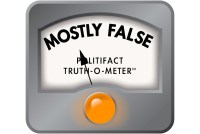
Florida Sen. Rick Scott Off Base in Claim That Rise in Medicare Premiums Is Due to Inflation
The Republican senator says President Joe Biden’s “inflation crisis” caused Medicare to raise monthly premiums, which will add hundreds of dollars to beneficiaries’ costs. But Medicare experts say inflation was not to blame and most beneficiaries will shoulder a much smaller increase than what Rick Scott claims.

La inscripción de Medicare es temporada abierta para estafadores
Funcionarios federales dicen que están aumentando las quejas de personas mayores engañadas para que compren pólizas sin su consentimiento, o atraídas por información cuestionable, que pueden no cubrir sus medicamentos ni incluir a sus médicos.
Medicare’s Open Enrollment Is Open Season for Scammers
Medicare officials say complaints are rising from seniors lured into private plans with misleading information or enrolled without their consent. In response, officials have threatened to penalize the private companies selling Medicare Advantage and drug plans if they or agents working on their behalf mislead consumers.

Researcher: Medicare Advantage Plans Costing Billions More Than They Should
Some insurers pocketed ‘eye-popping’ overpayments, billing records show.

Public Health Experts ‘Flabbergasted’ That Biden Still Hasn’t Picked an FDA Chief
The Food and Drug Administration has been mired in controversies related to drug approvals and covid vaccines, all without a permanent leader.

The Solution to Au Pairs’ Health Coverage Gaps May Be Simple: ACA Plans
Private agencies that bring young adults to the U.S. to care for children generally offer basic health insurance, but plans may exclude many types of necessary care. What the agencies might not mention is that au pairs are eligible to enroll in comprehensive coverage on the Affordable Care Act marketplaces and likely qualify for premium subsidies that would make the insurance affordable.

Census: Insured Population Holds Steady, With a Slight Shift From Private to Public Coverage
The Census Bureau on Tuesday released its 2020 findings regarding Americans’ income, poverty and health insurance coverage.
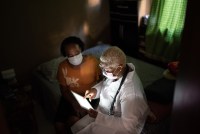
After Pandemic Ravaged Nursing Homes, New State Laws Protect Residents
This year, 23 states passed more than 70 pandemic-related provisions affecting nursing homes, including measures setting minimum staffing levels, expanding visitation protections and limiting owners’ profit margins.

Biden’s No-Jab-No-Job Order Creates Quandary for Nursing Homes
Nursing home operators acknowledge that large numbers of staff members are not getting the shots but fear a federal vaccination mandate could drive away workers in a tight labor market.

Feds to Nix Work Requirements in Montana Medicaid Expansion Program
State health officials say the federal government will likely reject any work or community engagement requirements, which were key to Republican lawmakers agreeing to extend the program that insures 100,000 low-income Montana adults.
KHN’s ‘What the Health?’: Our 200th Episode!
The federal approval of a controversial drug to treat Alzheimer’s disease has reignited the debate over drug prices and the way the Food and Drug Administration makes decisions. Meanwhile, President Joe Biden seeks to gain goodwill overseas as he announces the U.S. will provide 500 million doses of covid vaccine to international health efforts. Sarah Karlin-Smith of the Pink Sheet, Margot Sanger-Katz of The New York Times and Joanne Kenen of Politico join KHN’s Julie Rovner to discuss these issues and more. Also, Rovner interviews Chiquita Brooks-LaSure, the new administrator of the Centers for Medicare & Medicaid Services. And to mark the podcast’s 200th episode, the panelists discuss what has surprised them most and least over the past four years.

Expanding Insurance Coverage Is Top Priority for New Medicare-Medicaid Chief
Chiquita Brooks-LaSure, the new head of the Centers for Medicare & Medicaid Services, said the administration will focus on getting more people insured and is interested in finding a way to alleviate the gap keeping low-income families in states that haven’t expanded Medicaid from enrolling in Affordable Care Act health plans.
KHN’s ‘What the Health?’: The Return of the Public Option
Lawmakers are working on fleshing out the concept of a “public option,” a government-run or heavily regulated insurance plan that would compete with private insurance. But the details are complicated, both substantively and politically. Meanwhile, bioethicists are debating whether the U.S. should be vaccinating low-risk adolescents against covid-19 while high-risk adults in other countries are still waiting. Margot Sanger-Katz of The New York Times, Alice Miranda Ollstein of Politico and Rachana Pradhan of KHN join KHN’s Julie Rovner to discuss these issues and more. Plus, for extra credit, the panelists recommend their favorite health policy stories of the week they think you should read, too.
KHN’s ‘What the Health?’: Drug Price Effort Hits a Snag
Democratic leaders in Congress have vowed to pass legislation to address high prescription drug prices this year, but some moderates in their own party appear to be balking. Meanwhile, younger teens are now eligible for a covid-19 vaccine and the Biden administration reinstated anti-discrimination policy for LGBTQ people in health care. Joanne Kenen of Politico, Sarah Karlin-Smith of the Pink Sheet and Rachel Cohrs of Stat join KHN’s Julie Rovner to discuss these issues and more.