Latest KFF Health News Stories

Study: Medicare Beneficiaries May Face ‘Treatment Gap’ For Painkiller Abuse, Misuse
The incidence of opioid use disorder is growing rapidly within the Medicare population.
Despite Opioid Concerns, Seniors Often Exit The Hospital With Prescription: Study
Researchers found that nearly 15 percent of seniors filled prescriptions for an opioid painkiller after leaving the hospital and of those, 42.5 percent had the order refilled later.

Gingrich, Kennedy Take On Opioid Addiction — The KHN Conversation
Patrick Kennedy, a former congressman from Rhode Island, and Newt Gingrich, who was once the House speaker, are advancing policies to combat this national crisis.

Doctors Wrestle With Mixed Messages When Deciding Whether To Prescribe Painkillers
Though the CDC’s new prescribing guidelines follow a theme of less is more, another federal agency’s patient satisfaction surveys include questions about pain management that some say encourage doctors to prescribe the highly addictive medicines.
Despite Overdose Epidemic, Georgia Caps The Number Of Opioid Treatment Clinics
Georgia has stopped licensing new clinics that provide medication-assisted treatment for opioid addiction. Some call the state’s move irresponsible. Others say the clinics aren’t regulated enough.

By Sharing Painkillers, Friends And Family Members Can Fuel Opioid Epidemic: Study
New research also highlights the public’s lack of knowledge regarding the proper ways to store and dispose of these highly addictive prescriptions.

Despite New Access To Health Insurance, Drug-Treatment Rates For Ex-Offenders Barely Changed
More emerging prisoners are covered by Medicaid, but they still face barriers in navigating the health system, researchers said.

Details On Death Certificates Offer Layers Of Clues To Opioid Epidemic
Deaths from opioid overdoses are on the rise, and we know that because of data on death certificates. States determine who fills them out and what information they record. And that can vary widely.

How And Where To Dump Your Leftover Drugs — Responsibly
With the nation’s opioid crisis worsening, officials want you to dispose of unwanted or expired prescription drugs. But finding a convenient take-back site requires time and patience.
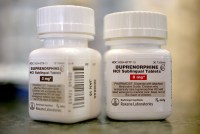
FDA Considering Pricey Implant As Treatment For Opioid Addiction
The FDA could soon approve an implantable form of a drug used to treat opioid addiction. While the approach helped patients avoid relapse in tests, its price may be prohibitive for some, doctors say.

For Substance Abusers, Recovery-Oriented Care May Show The Way To A Productive Life
Advocates emphasize peer support and community reintegration for people with behavioral health problems.
Prison helped Richie Tannerhill overcome substance abuse, but that was just the beginning of rebuilding his life.

In Prince’s Age Group, Risk Of Opioid Overdose Climbs
In 2013 and 2014, people ages 45 to 64 accounted for about half of all deaths from drug overdose, according to the CDC.
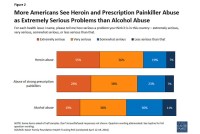
More Action Needed Against Drug Abuse: Poll
Many Americans believe the U.S. isn’t doing enough to fight prescription painkiller and heroin abuse, reports a Kaiser Family Foundation poll out Tuesday.

Opioid Epidemic Fueling Hospitalizations, Hospital Costs
New research sheds light on the growing costs to the health care system associated with painkiller and heroin abuse.

Counterfeit Opioid Poisonings Spread To Bay Area
Vomiting, breathing problems, lethargy, unconsciousness result from pirate pills laced with fentanyl.

Political Gridlock Blocks Missouri Database For Fighting Drug Abuse
Every state except Missouri has a database that doctors can check to see if a person filling a prescription for an opioid is trying to get it from other pharmacies, too.

Hospitals Eye Community Health Workers To Cultivate Patients’ Successes
These non-medical workers are increasingly being seen by hospitals as a critical point of contact for patients and a way to help hold down readmission rates and improve health outcomes.

Opioid Epidemic Spurs Rethink On Medication And Addiction
Some say the usual methods — abstinence and therapy — may not be enough.

The Wait For Opioid Treatment Can Mean Life Or Death In New Hampshire
New Hampshire has one of the highest opioid overdose rates and one of the lowest rates of access to treatment.