Latest KFF Health News Stories

Tax Time Brings Surprises for Some Who Receive ACA Subsidies
Some people find they owe money back for subsidies if their income changed from what they estimated. In 2026, more people may find themselves in this situation — and face higher repayment amounts — if they don’t carefully track their income.

Give and Take: Federal Rural Health Funding Could Trigger Service Cuts
States are rolling out plans for their share of a $50 billion fund meant to improve rural health care. In some states, the money may provoke rural hospitals to cut services.

Rising Health Costs Push Some Middle-Aged Adults To Skip the Doc Until Medicare
Adults ages 50 through 64 faced some of the steepest increases in out-of-pocket costs for Obamacare plans after a set of federal subsidies expired at the end of December. Some say they are putting off care or considering dropping health insurance coverage until Medicare picks up the bill.

Lawmakers Seek To Protect Crisis Pregnancy Centers as Abortion Clinic Numbers Shrink
Some states have tried to crack down on crisis pregnancy centers, accusing them of deceptive practices. But now conservative lawmakers are pushing legislation to increase protections for the organizations, which work to dissuade women from abortions.
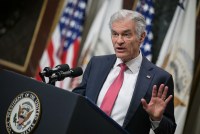
Oz Says California’s Not Fighting Health Care Fraud, but Data Shows It’s Part of a Larger Battle
Trump administration officials say the state allows rampant fraud and have promised to investigate, blaming the “Russian, Armenian mafia” in the hospice and home health care industry. But data shows hotbeds of health care fraud throughout the country, with California outperforming most other states in recovering fraud dollars.

Primary Care Is in Trouble. So Doctors Band Together To Boost Their Market Power.
Thousands of primary care practices are fighting to remain financially viable and independent. Many are banding together to form Independent Physician Associations, or IPAs, to increase their market power.

More Kids Are in ERs for Tooth Pain. Trump Cuts and RFK Jr.’s Anti-Fluoride Fight Aren’t Helping.
Dentists, hygienists, and researchers say a shortage of rural dental care professionals and worsening oral hygiene since the covid-19 pandemic mean more kids are ending up in the emergency room for tooth decay.

Trump’s Cuts to Medicaid Threaten Services That Help Disabled People Live at Home
Iowa patient advocates say that in the face of federal Medicaid cuts, the state is quietly reducing in-home services that help people avoid being institutionalized. National groups are bracing for similar cuts elsewhere.

Despite Their Successes, Some Mobile Crisis Response Teams Are in Crisis
Mobile crisis units are trained to respond to emergency calls when people are experiencing delusions or hallucinations. But unlike police departments, which are generally funded by local taxpayers, mobile crisis teams don’t have a single, reliable funding source. As a result, some are closing down, despite successful operations and local support.

Lawmakers, Health Groups Resist Their States’ Rural Health Fund Plans
Some Republican state lawmakers and state health associations are pushing back against spending plans under the Trump administration’s $50 billion federal rural health fund. Federal administrators already approved states’ plans, but in many cases, state lawmakers must greenlight spending.

Families Defend Disability Services Amid Medicaid Cuts
Idaho is positioning to slash Medicaid funding as state lawmakers grapple with the effects of the federal One Big Beautiful Bill Act, which President Donald Trump signed into law last year. On the table are in-home care services.
Hospitals Fighting Measles Confront a Challenge: Few Doctors Have Seen It Before
As the number of cases grows to about 1,000 in the Carolinas, health care workers who’ve never seen the vaccine-preventable disease can get caught by surprise.

State Lawmakers Seek Restraints on Wage Garnishment for Medical Debt
At least eight states are considering legislation to curtail wage garnishment over unpaid medical bills, as health care costs rise and more people become underinsured.
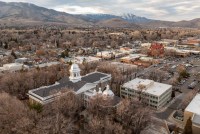
Nevada Debuts Public Option Amid Tumultuous Federal Changes to Health Care
The state recently became the third to offer a public option health plan through its Affordable Care Act marketplace. But researchers said it’s unlikely to fill the gaps left by sweeping changes at the federal level.

Wyoming Wants To Make Its Five-Year Federal Rural Health Funding Last ‘Forever’
State officials believe they’ve found a way to extend the life of federal Rural Health Transformation Program money Wyoming is receiving as part of last summer’s One Big Beautiful Bill Act — by investing most of it.

Clinics Sour on CMS After Agency Scraps 10-Year Primary Care Program Only Months In
A planned 10-year federal program called Making Care Primary was supposed to help primary care doctors by easing administrative burdens, allowing them to focus on improving patients’ health. A year after the Trump administration eliminated the program, federal officials created an alternative plan that favors companies.
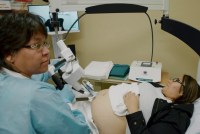
Alabama’s ‘Pretty Cool’ Plan for Robots in Maternity Care Sparks Debate
Alabama, a state with one of the nation’s highest infant mortality rates, is betting on robots to help fix its maternal care crisis. But the state’s plan for telerobotic ultrasounds in rural areas has raised doubts.

Louisville Found PFAS in Drinking Water. The Trump Administration Wouldn’t Require Any Action.
After detecting a sudden spike in PFAS in its drinking water, the city traced it upstream along the Ohio River to a factory in West Virginia. But the EPA has relaxed Biden-era plans to regulate PFAS levels. So what happens next?

End of Enhanced Obamacare Subsidies Puts Tribal Health Lifeline at Risk
Tribal insurance programs give Native Americans access to affordable health care when the Indian Health Service falls short. Those plans are threatened by the expiration of enhanced Affordable Care Act subsidies.

Obamacare Sign-Ups Drop, but the Extent Won’t Be Clear for Months
Experts say Affordable Care Act sign-up data won’t be clear until people who were enrolled have paid — or haven’t paid — their new, often much higher, premiums.