


Latest KFF Health News Stories
Critics say Medicare Advantage plans are inefficient and costly. But those same critics oppose vouchers for Medicare — even though that approach would set up a direct competition between the private plans and the traditional fee-for-service program.
Medicare: A Prevention Plan that Could Lower Costs
A new smoking cessation program could lower health care costs, even among seniors.
Support Slips For Health Reform Law, New KFF Poll Shows
As mid-term elections approach, the public is split over the law. Federal subsidies to help people buy insurance are popular, while a requirement that most Americans buy coverage isn’t.

Regulators Probe Allegations Of Fraud In Health Credit Cards
Think twice before signing up for a new credit card to cover some doctor or dentist’s services. Regulators and consumer advocates warn that many of these special deals are deceptive.
As Reform Improves The Overall Market, Inefficient Insurers Could Take Hits
The whole point of the nation’s conversation about health reform has been to find ways to spend differently so that the result is a higher quality, more humane health care system.
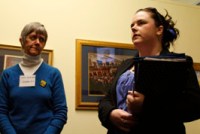
Groups Press Congress To End Patients’ Wait For Medicare
Most people with disabilities who are younger than 65 aren’t eligible for Medicare until more than two years after they qualify for Social Security disability income. But more than 65 patient advocacy groups are asking lawmakers to change the rule.
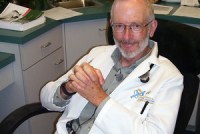
Midlevel Providers Fill Primary Care Doctors’ Shoes
Physician assistants and nurse practitioners can prescribe medicine, and many operate almost completely independently of physician supervision. And unlike physicians in primary care, the number of physician assistants and nurse practitioners is on the rise.
The New Momentum Behind Electronic Health Records
Today, in almost every other sector besides health, electronic information exchange is the way we do business. Health care providers may agree with the benefits of electronic health records. But they’ve also believed that adopting them was too difficult and expensive.
Future Of Primary Care? Some Say ‘Medical Home’
Martin’s Point in Maine is among those pioneering a concept aimed at making care more efficient.
Health On The Hill – August 25, 2010
As Congress’ August recess continues, lawmakers are finding the electorate to be quieter on the topic of health care than they were during last summer’s heated town hall meetings. Even so, the new health law continues to be a topic of discussion during the primary election season and the run-up to this fall’s mid-terms.

With baby boomers about to turn 65, homebuilders see a big market for a building concept called universal design. It means houses are designed so owners can stay as they grow old — even if they develop physical limitations. The trick is making them beautiful enough that no one suspects they’re meant for seniors.
The Medical Loss Ratio Requirements Are Being Carefully Crafted
In a response to the August 23 opinion column by Douglas Holtz-Eakin and Michael Ramlet, Timothy Jost, a National Association of Insurance Commissioners consumer representative, says the NAIC has been meticulously transparent and participatory in its processes to implement the medical loss ratio requirement.
Bucking The Trend: Primary Care Doc Practices Solo
There’s a catastrophic shortage of primary care doctors who provide basic health care. And the need is expected to grow as more people receive coverage under the new health law.
D.C. In Front Of The Health Reform Curve, Officials Say
District of Columbia city officials highlight early accomplishments in health insurance coverage expansions as reform implementation efforts pick up steam nationwide.
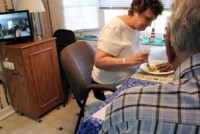
Wired Homes Keep Tabs On Aging Parents
Baby boomers are increasingly using sensors and cameras to monitor their parents’ well-being.
High-Tech Aging: Tracking Seniors’ Every Move
Companies are using monitoring technology to transform elder care, but will seniors give up privacy?
Health Law Requires Continued Coverage For Patients In Clinical Trials
In the past, many patients who opted for experimental treatments for cancer and other life-threatening illnesses found that their insurance companies stop covering all routine care for their illness. The health overhaul mandates that insurers continue to pay for doctor visits, hospital stays, test and other routine treatments.

Seniors Finding Long-Term Care Close To Home
In neighborhoods across the country, groups of people are banding together to help the elderly stay in their homes. These non-profit “villages” help provide seniors with security, practical help and companionship.
Health Reform: Here We Go Again
The health law’s shortcomings in controlling health care costs and damage to the federal budget outlook are understood. But the economic consequences of greater uncertainty and reduced innovation are only now becoming clear.
CT Scans Can Increase Cancer Risk
Several recent studies show the risk of cancer associated with CT scans appears to be greater than previously believed.