With baby boomers about to turn 65, homebuilders see a big market for a building concept called universal design. It means houses are designed so owners can stay as they grow old — even if they develop physical limitations. The trick is making them beautiful enough that no one suspects they’re meant for seniors.

Wired Homes Keep Tabs On Aging Parents
Baby boomers are increasingly using sensors and cameras to monitor their parents’ well-being.

High-Tech Aging: Tracking Seniors’ Every Move
Companies are using monitoring technology to transform elder care, but will seniors give up privacy?
Seniors Finding Long-Term Care Close To Home
In neighborhoods across the country, groups of people are banding together to help the elderly stay in their homes. These non-profit “villages” help provide seniors with security, practical help and companionship.
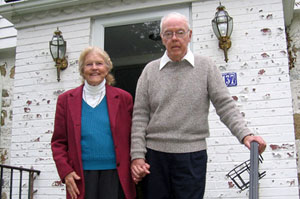
Five Questions for Gail Sheehy On Caregiving
Gail Sheehy talks about her latest book “Passages In Caregiving: From Chaos To Confidence,” a personal story which includes advice on how to navigate the process.
Helping Employees Provide End-Of-Life Care Is Good For Morale, Corporate Bottom Line
Juggling a caregiving role with a full-time job is daunting. But it can be even more difficult working during the end stages of a loved one’s life. Some companies are helping their employees manage the tough times.
Seniors Still In The Dark On New Health Law
That fact that people don’t know a lot about what’s in the new health law isn’t exactly news. But a new poll that shows just how little Grandma and Grandpa know about it must be giving the new law’s supporters a serious case of heartburn. That’s because seniors are not just a key voting bloc […]
Lawmakers: Extend Medicaid Subsidies To Help African-American Seniors
Three black members of Congress say minority nursing home patients would be disproportionately affected if Congress fails to extend bonus payments to state Medicaid programs.
Medicaid’s Ticking Bomb – Long Term Care – Could Wipe Out State Budgets
A new study claims the costs of Medicaid’s long-term care services could cripple states’ already-fragile budgets.
In Sickness and In Health: Elderly Caregivers
Caring for a sick or disabled elderly relative exacts a toll — physical, emotional, financial — on any family member, but being a spousal caregiver brings particular challenges.
Spouses Face Hurdles When Caring For Themselves, Ill Loved Ones
Family caregivers now administer arsenals of medications and undertake procedures, from wound care to dialysis, that were once the province of medical professionals.

Advocacy Group Details Treatment Needs For Older Patients
The Partnership for Health in Aging released a set of 23 skills that all health care professionals – doctors, dentists, nurses, social workers and others – should have by the time they receive their degrees.
New Law Could Help Hospice Patients Continue Aggressive Medical Treatments
People who are dying currently can’t get Medicare to pay for hospice care if they continue aggressive curative treatment. But the new health overhaul law could lead to a major change in olicy that allows both hospice and curative care.
Will Private Long-Term Care Insurance Supplement the CLASS Act?
CLASS takes a step towards moving long-term care financing from the welfare-like Medicaid program to an insurance-based system. But CLASS alone won’t get there. Private insurance, currently a niche product that covers only about seven million Americans, will have to play an important role as well.
In Kansas, Small Medicaid Cuts Have Big Impact On Some Seniors
In Kansas, cuts to Medicaid in-home services for the elderly produce quick consequences for some people who have had to move out of their apartments and into nursing homes.
New Long-Term Care Insurance Will Provide Flexible Cash Benefits
The CLASS Act, part of the health care overhaul, will provide about $75 a day to people who sign up for the long-term care insurance policy. Advocates say it could help people stay in their homes. But critics raise concerns about the financial viability of the program.
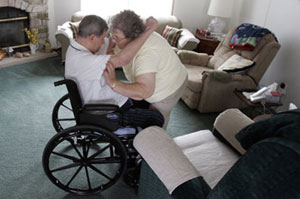
Tennessee Removes About 100,000 People From Medicaid Rolls
The TennCare cuts, which followed the resolution of a long-running court battle, affected mostly elderly or disabled residents, including approximately 37,000 who had relied on the state program for all their health care needs.
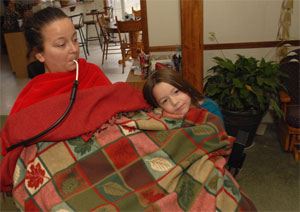
Long-Term Care Program Debuts In New Health Law
The act will promote saving for long-term assistance and will especially benefit senior citizens. This story comes from our partner NPR News.
Drug Prices Rise For Seniors Who Reach Medicare Part D Coverage Gap
Seniors who reach the “doughnut hole” for prescription medications find that price increases are far outpacing inflation, according to a Kaiser Family Foundation study.
Midnight Munchies Keep Elderly Safer In NY Nursing Home
Like many nursing homes, the Parker Jewish Institute in New Hyde Park, N.Y., was having problems with some of its patients with dementia wandering at night. The staff worried about falls, but they didn’t want to hand out more psychotropic medicines. But one night in 2007, a nursing assistant accidentally stumbled on a solution.