Latest Morning Briefing Stories
Can Obama Pay For His Health Bill?
President Obama said in his speech Wednesday that most of his health care plan “can be paid for by finding savings within the existing health care system.” Economists say there are ways to squeeze savings out of the existing health care system, but they might not make people happy.

Several states are implementing “medical home” programs, which shifts the health care system from emphasizing acute care for emergencies, such as heart attacks and strokes, to one focusing more on treating – or preventing – chronic illnesses.
Experts To Obama: Here’s How To Keep Health Reform From Adding To Deficit
Health economists say their “failsafe” proposal would keep health care spending from growing.

A Medical Mystery: Why Health Care Is So Expensive
Policymakers are looking for ways to trim medical spending. In a single procedure, a cardiologist might throw away two heart stents that cost $2,000 apiece. That’s just part of providing proper care, the doctor says – it’s the economics of precision and technological advance. This story comes from our partner NPR News.

Health Bills Might Not Protect Some Needy Americans, Experts Say
As lawmakers weigh trimming legislation, some consumers might end up burdened by medical and insurance costs.
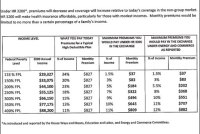
KHN Exclusive: Congressional Documents Show Health Costs
These documents, prepared by the House Committee on Ways and Means and obtained by KHN, show the maximum premiums and out-of-pocket costs low- and moderate-income people might face under the House health overhaul plan, called America’s Affordable Health Choices Act.

Dr. House’s Prescription: More Medicine Is Better
Despite TV portrayals of best medicine, health reform proponents says patients could get good treatment — and cheaper care — if high tech tests were used more judiciously.

Health Insurance: How Much More Should Older People Pay?
Maria Bishop, age 60, pays $500 a month for health insurance. Chris Denny, 27, pays $117. In most states, insurers can charge older customers far more than younger ones. As Congress wrestles with a health care overhaul, lawmakers are debating new limits that could narrow the difference.
What Can A Medical Billing Advocate Do For You?
When a claim is denied, an out-of-network fee is too costly, or an uninsured patient confronts an unclear or towering bill, an advocate may be able to help.

Code Blue: Out-of-Network Charges Can Spur Financial Emergency
When Gary Diego’s wife, Ellen, had bleeding in her brain, she ended up in an out-of-network emergency room. And he ended up with a huge bill. In a practice known as balance billing, insurers pay a portion of the out-of-network charges, and the rest is dumped on patients.
We live in a time when seemingly no subject is taboo. Yet, there remains one subject Americans seem unable to talk about in an honest and rational way: the inevitable decline of old age.
Medicare Advisers Raised Rates but Complained of Flawed System
Elevating the commission, known as MedPAC, isn’t about greasing the path for unpopular payment reductions, an obvious way to save money. It’s about rethinking payment altogether. Even as MedPAC advised upping payments, commissioners quietly insisted for years that Congress should scrap its abstruse, fragmented rules for paying providers.
Amid Stimulus Money, Community Health Centers Look For Their Post-Reform Role
Maisha Challenger never thought she’d have to set foot in a community health center. “I have been working my whole life so I usually am used to going to a doctor’s office,” she said. But after she lost her job as an education lobbyist – and the health insurance that came with it – she […]

For Dying and Seriously Ill Children, Hope For Better Care
When 14 year old Prince Jackson was diagnosed with a brain tumor, he was caught in a gray zone: public and private insurance doesn’t usually cover the palliative care he desperately needed. But his mother got help from a new program that provides services for seriously ill or dying children.
In Massachusetts, A Radical Idea For Changing How Doctors Are Paid
Some Massachusetts policymakers want to end the tradition of paying health care providers a separate fee for every service they provide. They say paying fees for every visit, test and procedure ordered is the main reason Massachusetts’ health care costs are the highest in the nation. This story comes from our partner NPR News
Will Emphasis on Prevention Bring Health Costs Down?
Obama and congressional leaders hope to reduce health care spending by promoting prevention to catch disease early. But some insurance and health officials say such efforts-although laudable-may not cut overall health costs.
Pharmaceutical Industry Keeps Hand In Health Care Bill: Interview With Billy Tauzin
NPR’s Linda Wertheimer talks with Billy Tauzin, president and CEO of PhRMA, the biggest trade association for the prescription drug industry.
Medicare data tell a different story about a public plan option.
Prevention Efforts May Not Reduce Health Care Costs
There are ways to reduce expensive diseases, but they must be deployed strategically. This story comes from our partner NPR News.
Transitional Care Cuts Hospital Re-Entry Rates, Costs
A study published earlier this year finds 1 out of 5 older patients who are discharged from a hospital will return within a month, costing Medicare about $17 billion a year. A program in Philadelphia assigns nurses to follow up with discharged patients in order to prevent readmission. This story comes from our partner NPR News.