Latest Morning Briefing Stories
Should ‘DNR’ Mean ‘Do Not Resign’?
Folks who say, “When I get that sick, unplug me, don’t let me suffer” have never learned how the end of life can be done better.
Developing Nations: Laboratories For Health Care Innovation
Without big budgets, developing nations have to be creative and flexible when it comes to health care. As a result, some interesting new technologies and techniques have emerged that Westernized countries have adopted.
Savings From Computerizing Medical Records Are Hard To Measure
A study about the Veterans Administration takes a step towards putting a dollar value on the savings a health care system can get from electronic medical records.
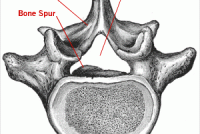
Study: Back Pain Too Often Treated With Expensive Surgery
Too many people are getting complex back surgeries when more minimally-invasive procedures would work just as well. The number of these surgeries has increased by 15 times in five years. Overuse of medical care is one of the reasons the nation’s health bill is so high.
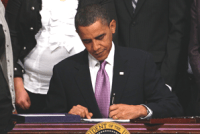
True or False: Seven Concerns About The New Health Law
The bill signed by President Obama is long and technical, so it’s no wonder that consumers are confused. KHN staff writers check out several key concerns.
Interview with NIH Director Francis Collins
Video interview with physician-geneticist Francis Collins, director of the National Institutes of Health.
Long-Term Care Program Debuts In New Health Law
The act will promote saving for long-term assistance and will especially benefit senior citizens. This story comes from our partner NPR News.
Primary Care Crisis Has Been A Long Time Coming
Calls for more primary care go all the way back to 1933 when the Journal of the American Medical Association noted “the overgrowth of specialism” and the “fadeout of the general practitioner.”
Transcript: President Obama’s Health Care Rally In Iowa
President Barack Obama’s speech on health reform takes place today, in Iowa. Read his speech, as released by the White House.
Primary Care Shortage Could Crimp Overhaul
For all the changes put in motion by yesterday’s historic vote passing health care overhaul, an expansion of coverage for tens of million of uninsured people raises a really big question: Who will take care of them all?
Figuring Out What A Hospital Can Get For Switching To Electronic Records
Beginning next year, tens of billions of dollars in taxpayer money will flow to doctors and hospitals to help them buy computerized medical record systems as part of the economic stimulus package. In a marketing pitch, one company is offering a calculator that shows how much money is on the line for a given facility.
Midnight Munchies Keep Elderly Safer In NY Nursing Home
Like many nursing homes, the Parker Jewish Institute in New Hyde Park, N.Y., was having problems with some of its patients with dementia wandering at night. The staff worried about falls, but they didn’t want to hand out more psychotropic medicines. But one night in 2007, a nursing assistant accidentally stumbled on a solution.

What Price For Medical Miracles? High Costs At End Of Life Still Part Of National Health Debate
Finding the right balance between too much and too little care is excruciating and highly personal for physicians, patients and families – one reason it’s not discussed at a national level. This reluctance is mirrored by an unwillingness by lawmakers to confront hard choices on medical spending.
Bunny’s Last Days: When Living Will Isn’t Enough
In the era of modern medicine, there is often no easy way to navigate between an acceptable quality of life and a death with dignity. But palliative care specialists, relatively new players on the health care scene, offer comfort, support, pain control and, if requested, spiritual counsel, helping people sort through often confusing and ambiguous medical options.
Living wills and advance directives were the hope for end-of-life decision-making decades ago. But a 2004 survey by FindLaw found that 36 percent of Americans have a living will, and even when people have filled out living wills, doctors often ignore them.
Hospice, Palliative Care Aim To Ease Suffering
Palliative services are designed to help patients and their families sort through their options – ome of which may help restore the patient, while others may increase suffering for a minimal health benefit.
Catholic Directive May Thwart End-Of-Life Wishes
A directive passed last November in Tulsa, Okla., raises fresh questions about the ability of patients to have their end-of-life treatment wishes honored – and whether and how a health care provider should comply with lawful requests not consistent with the provider’s religious views.
Doctor Shortage Fuels Nurses’ Push For Expanded Role
Nurse practitioners – like Irene Cavall in North Carolina – are gaining support in their drive to play a larger primary care role. But the powerful AMA is waving a yellow caution flag before state regulators and legislators.
Why Are Fewer Patients Enrolling in Hospice?
It is not clear why it’s happening, but some hospice officials blame both a bad economy and Medicare rules that unintentionally discourage doctors from referring all but those who are about to die.
Community Health Centers Providing Return On Investment
The federal stimulus package that sent nearly $2 billion to community health centers appears to have paid off in economic returns.