Latest Morning Briefing Stories

As Low-Nicotine Cigarettes Hit the Market, Anti-Smoking Groups Press for Wider Standard
The first FDA-authorized cigarettes with 95% less nicotine than traditional smokes will go on sale in California, Florida, and Texas starting in early July. Anti-smoking groups oppose greenlighting just one plant biotech’s products and instead urge federal regulators to set a low-nicotine standard for the entire industry.

A New Law Is Supposed to Protect Pregnant Workers — But What If We Don’t Know How?
During pregnancy, workers often face hazardous circumstances, including breathing toxic chemicals. On June 27, the Pregnant Workers Fairness Act began requiring employers to provide “reasonable accommodations.” But the new law has a big hole: Not nearly enough is known about which chemical exposures are dangerous for pregnant workers.
What the Health? From KFF Health News: A Year Without Roe
It’s been a year since the Supreme Court overturned Roe v. Wade and, with it, the nationwide right to abortion. The decision in Dobbs v. Jackson Women’s Health Organization set off widespread uncertainty in government and the courts about the legality or illegality of the procedure. But the decision has had other consequences too, including affecting where health professionals choose to locate. In this special episode of KFF Health News’ “What the Health?” Alice Miranda Ollstein of Politico, Shefali Luthra of The 19th, and Sandhya Raman of CQ Roll Call join KFF Health News chief Washington correspondent Julie Rovner to discuss these issues and more. Also this week, Rovner interviews KFF’s Alina Salganicoff about the organization’s research and other work on women’s health policy over the past year.

Misinformation Obscures Standards Guiding Gender-Affirming Care for Trans Youth
Many state legislatures have passed or are considering restrictions on gender-affirming care for trans minors. Yet much of the discussion is based on misconceptions about what that care entails.
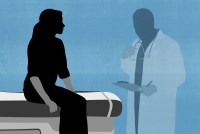
Will the Doctor See You Now? The Health System’s Changing Landscape
The “front door” to the health system is changing, under pressure from increased demand, consolidation, and changing patient expectations.

The DEA Relaxed Online Prescribing Rules During Covid. Now It Wants to Rein Them In.
Supporters say the proposed rules would balance the goals of increasing access to health care and helping prevent medication misuse. Opponents say the rules would make it difficult for some patients — especially those in rural areas — to get care.

The Hospital Bills Didn’t Find Her, but a Lawsuit Did — Plus Interest
Recovering from emergency gallbladder surgery, a Tennessee woman said she spent months without a permanent mailing address and never got a bill. She was sued by the health system two years later.

New Charleston Museum Nods to Historical Roots of US Health Disparities
The $120 million International African American Museum that opened this week in Charleston, South Carolina, allows visitors to step back in history at Gadsden’s Wharf, where tens of thousands of enslaved Africans arrived in America, the genesis of generations of health disparities.

E-Cigs Are Still Flooding the US, Addicting Teens With Higher Nicotine Doses
The FDA, Justice Department, and White House have failed to act as vapes with kid-friendly flavors like cotton candy or gummy bears proliferate.

‘We’re Not Doing That’: Why a Black Couple Wouldn’t Crowdfund to Pay Off Medical Debts
Kristie Fields, a cancer patient in Virginia, was urged to go public to seek financial help. She worried about feeding hurtful stereotypes.

Advocates Call for 911 Changes. Police Have Mixed Feelings.
Though most California counties are experimenting with dispatching health professionals rather than law enforcement to respond to people experiencing mental health crises, powerful police unions fear defunding.

Malpractice Lawsuits Over Denied Abortion Care May Be on the Horizon
Physicians and attorneys say it’s a question of when — not if — a pregnant person dies from lack of care in a state with an abortion ban, potentially setting the stage for a malpractice lawsuit that could pressure providers to reconsider delaying or denying care.

What’s It Really Like to Be HHS Secretary? Three Who’ve Done It Spill the Beans
Three secretaries of Health and Human Services, who served under Presidents Joe Biden, Donald Trump, and Barack Obama, gathered this week for a rare, candid conversation hosted by the Aspen Ideas Festival and KFF Health News’ “What the Health?” about the experience of being the nation’s top health official.
What does a day in the life of the nation’s top health official really look like? And how much of their agenda is set by the White House? In this special episode of KFF Health News’ “What the Health?” — taped before a live audience at Aspen Ideas: Health, part of the Aspen Ideas Festival, in Aspen, Colorado — host and chief Washington correspondent Julie Rovner leads a rare conversation with the current and two former U.S. secretaries of Health and Human Services. Secretary Xavier Becerra and former secretaries Kathleen Sebelius and Alex Azar talk candidly about what it takes to run a department with more than 80,000 employees and a budget larger than those of many countries.

Black, Rural Southern Women at Gravest Risk From Pregnancy Miss Out on Maternal Health Aid
A federal program meant to reduce maternal and infant mortality in rural areas isn’t reaching Black women who are most likely to die from pregnancy-related causes.

Medical Exiles: Families Flee States Amid Crackdown on Transgender Care
As more states restrict gender-affirming care for transgender people, some are relocating to more welcoming destinations, such as California, Illinois, Maryland, and Nevada, where they don’t have to worry about being locked out of medical care.

Dementia Can Take a Toll on Financial Health, as Some Families Learn the Hard Way
People with dementia and their families often find themselves with few legal rights when dealing with financial scams or the mismanagement of their assets. Research reveals financial troubles can be both an early sign and a painful symptom of cognitive decline.

California’s Homelessness Crisis Is Homegrown, Study Finds
University of California researchers found at least 90% of adults experiencing homelessness became homeless while living in the state, and many suffer depression and anxiety living without stable housing.

Doctor Lands in the Doghouse After Giving Covid Vaccine Waivers Too Freely
Richard Coble issued vaccine waivers to patients in at least three states without examining them. He was exposed by a Nashville TV station that bought a waiver for a Labrador retriever named Charlie.

Opioid Settlement Payouts to Localities Made Public for First Time
KFF Health News obtained documents showing the exact dollar amounts — down to the cent — that local governments have been allocated in 2022 and 2023 to battle the ongoing opioid crisis.