A Month After Launch, TrumpRx Faces Lack Of Metrics, Drug Availability
STAT reports that administration officials have declined to offer details on the number of new drugs expected to be added, when that might happen, or how many people have used the site.
Stat:
TrumpRx: High Expectations, But Limited Impact A Month After Launch
President Trump heralded his signature drug discount platform, TrumpRx, as “one of the most transformative health care initiatives of all time.” But a month after its launch, few drugs are available, data about how much the site is being used remains unknown, and the private deals underlying TrumpRx are still being worked out. The reality of the early days of the platform comes in sharp contrast to the soaring expectations set by the president, who cast a vision for unprecedented cuts to how much people pay for medications, pharmaceutical market experts and patient advocates said. (Payne, 3/5)
Fierce Healthcare:
Hospitals Decry Drugmakers' Expanded 340B Reporting Policies
The hospital lobby is asking federal officials to head off expanded data collection policies some drugmakers are implementing for providers participating in the 340B drug discount program. The change was first broached by Eli Lilly and Company in January, and requires all types of covered entities to provide claims level data for all pharmacy and medical dispensations of most of the company’s drugs, including in-house pharmacy and contract pharmacy dispenses. It went into effect on Feb. 1, with exemptions for a handful of states where such policies are restricted by law. (Muoio, 3/4)
Modern Healthcare:
GoodRx Employer Direct Offering Takes On Crowded PBM Market
Once contained to traditional pharmacy benefit arrangements, a proliferation of alternative offerings is reshaping the drug pricing market. Employers and patients, fatigued by rising prices and frustrated by insurance intermediaries, are turning to new marketplaces and vendors. Last month, drug pricing platform GoodRx announced its entry into the crowded field. These models are prompting some employers to rethink their reliance on the big, traditional pharmacy benefit managers CVS Caremark, Optum Rx and Express Scripts, respectively owned by insurers CVS Health, UnitedHealth Group and Cigna. (Tong, 3/4)
More on the high cost of health care —
KFF Health News:
Trump’s Cuts To Medicaid Threaten Services That Help Disabled People Live At Home
Leisa and Kent Walker recently received a disturbing notice: The private company managing their son’s Medicaid coverage intends to cut nearly 40% of what it spends for caregivers who help him live at home instead of in a nursing home. Sam Walker, 35, has severe autism and other disabilities. He is deaf and cannot speak. Sometimes when he’s frustrated, he hits himself or others. (Leys, 3/5)
KFF Health News:
Listen: What To Do When Health Insurance Slips Out Of Reach
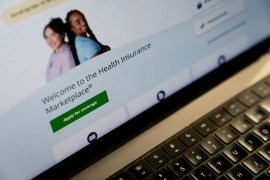
Health insurance could be out of reach for many Americans in 2026. About a million fewer people signed up for Affordable Care Act marketplace coverage this year. The Congressional Budget Office told lawmakers that more could opt out in coming years after the GOP-led Congress let expire subsidies that helped many afford a plan. Meanwhile, plan premiums jumped, and new, stricter Medicaid eligibility rules kicked in. If you lost health insurance this year, there may be ways to see the doctor without breaking the bank. (Whitehead, 3/5)
In related news about the unhoused —
Modern Healthcare:
Why Kaiser Permanente, Virtua Are Investing In Affordable Housing
Nonprofit health systems ranging from Kaiser Permanente and Advocate Health to Virtua Health and Barnes Jewish Hospital have made investments in their communities to lessen housing insecurity and boost patients’ health. A provision in the new tax law could make it attractive for more healthcare systems to invest in affordable housing, if their budgets can bear it. The law includes a permanent 12% increase in the Low-Income Housing Tax Credit. States receive the credits from the federal government and can offer them to developers to offset some of the construction costs of affordable housing projects. (Eastabrook, 3/4)