Prescription Drugs Large Issue for Seniors in Upcoming Elections
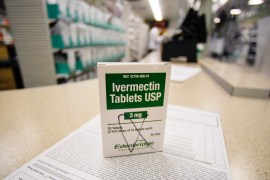
With the coming elections just over a month away, many states are seeing "medicine-cabinet" campaigns with prescription drug coverage as the "hot-button issue in close elections," particularly in states with large concentrations of elderly voters, the Fort Lauderdale Sun-Sentinel reports. Senior voters, "more than any other voting bloc," will have the greatest impact on elections that will determine which party controls Congress, according to the Sun-Sentinel. Many seniors are frustrated with lawmakers' failure to pass a Medicare prescription drug benefit. In August, an AARP poll found that 25% of seniors said they would vote against lawmakers who oppose an affordable Medicare prescription drug benefit. Jeffrey Love, who oversees AARP surveys and voter focus groups, said, "The middle-class has trouble buying these drugs. It's not simply a matter of the older poor having this trouble. Our members want a real plan that has a benefit to them and others." Tony Fransetta, head of the Florida Chapter of the Alliance for Retired Americans, said, "We are going to make it a big part of the congressional elections and also a part of the Florida (gubernatorial) elections. A lot is going to depend on a candidate's position on a state plan. Several states have already done that, and with the number of seniors in Florida, we are going to make that more of an issue" (Gibson et al., Ft. Lauderdale Sun-Sentinel, 9/30).
Pennsylvania Races
Meanwhile, health care is playing a central role in Pennsylvania's gubernatorial races, the Philadelphia Inquirer reports. Republican Mike Fisher, state attorney general, and Democrat Ed Rendell, former mayor of Philadelphia, have made prescription drug coverage the "paramount health care issue," according to Michael Young, director of a public opinion research firm. With almost one-third of Pennsylvania's two million seniors lacking prescription drug coverage, the candidates are going after the "crucial" senior voting bloc, the Inquirer reports. Both have offered plans to shore up and expand the state's financially troubled Pharmaceutical Assistance Contract for the Elderly program, which helps 224,000 low-income seniors purchase prescription drugs. Both candidates have said they would seek a federal Medicaid waiver to pay for the program's expansion. In addition, Rendell said he would negotiate with drug companies to secure lower prescription drug prices for the program, and if those efforts failed, he would consider purchasing drugs in bulk or joining a multi-state drug purchasing group. Rendell also said he would seek higher reimbursement rates for Medicare and Medicaid and would attempt to increase enrollment in the the state's CHIP program by streamlining the application process. For his part, Fisher said he would increase CHIP enrollment by coordinating outreach efforts between the state Insurance Department and the Welfare Department. Fisher also supports legislation that would help reduce medical malpractice insurance premiums, in part by cutting the amount of coverage physicians are required to carry by $250,000 (Wiggins, Philadelphia Inquirer, 9/29).