Drug Users Are Changing How They Use Opioids, Harm-Reduction Workers Say
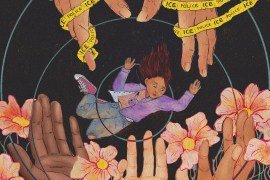
Experts have noticed a sea change of more users preferring to smoke drugs, shifting away from injections. Also: A study looks at the risk factors that might drive food allergies; plant-based foods are linked to lower heart disease risk; and more.
Stat:
Drug Injection Fades As Smoking Grows More Common, Marking Sea Change In U.S. Fentanyl Epidemic
Megan Merrill paused, mid-hike, as she surveyed the steep drop before her. She was standing on a five-foot snow drift, icy and brittle after 10 days of unrelenting New England cold, below which lay the railroad tracks that serve as a de facto border between the town behind her and the homeless encampment in front. (Facher, 2/12)
In other public health news —
ABC News:
New Study Examines Possible Risk Factors Linked To Childhood Food Allergies
A new study on food allergies has found that as many as 1 in 20 children may develop a food allergy by age 6. The research, published in JAMA Pediatrics, analyzed 190 studies of more than 2.7 million children across 40 countries and identified major and minor risk factors linked to food allergies. It found about 5% of kids in the U.S. had a food allergy by the age of 6. (Charles, 2/10)
NBC News:
Whole Grains, Plant-Based Foods Key To Lower Coronary Heart Disease Risk
In a long-term, observational study of nearly 200,000 adults, low-fat and low-carb diets rich in plant-based foods, whole grains and unsaturated fats were associated with reduced risk of coronary heart disease. Coronary heart disease occurs when fatty deposits called plaque build up in the heart’s arteries, preventing them from delivering oxygen-rich blood to the heart muscle. It can result in chest pain, heart attack or cardiac arrest when the heart suddenly stops pumping. On the other hand, diets that are high in refined carbs and animal-based fats and proteins were associated with higher risk. The findings were published Wednesday in the Journal of the American College of Cardiology. (Mantel, 2/11)
On women's health —
The New York Times:
Stopping Antidepressants During Pregnancy Can Be a Health Risk, Research Shows
New research suggests that when pregnant women stop taking their antidepressants they are nearly twice as likely to have a mental health emergency as those who continue to take their medication. The research, which was presented at the annual conference of the Society for Maternal-Fetal Medicine, used private insurance and pharmacy claims data from Pennsylvania to examine the medical histories of more than 1,400 women who had a baby in 2023 or 2024. Each of the women had been diagnosed with anxiety or depression and were already taking an antidepressant before becoming pregnant. (Caron, 2/11)
MedPage Today:
Top Causes Of Maternal Death May Not Be What You Think
Drug overdoses, homicides, and suicides accounted for more than a quarter of all deaths among pregnant and postpartum women, an analysis of maternal deaths from 2018 through 2023 showed. (Firth, 2/11)
MedPage Today:
More Good News For GLP-1 Agonists And Cancer Risk
Women with nonmalignant uterine disease and a history of GLP-1 agonist and progestin treatment had a significantly lower risk of endometrial cancer (EC) compared with progestins alone, a retrospective study showed. Based on a large clinical record database, the propensity-matched study showed a 66% lower hazard for endometrial cancer with the GLP-1 agonist/progestin combination. (Bankhead, 2/11)
MedPage Today:
Does Abortion Or Miscarriage Contribute To Breast Cancer Risk?
A history of induced abortion or miscarriage was not associated with an increased risk of breast cancer, according to a Finnish case-control study. (Bassett, 2/11)
KFF Health News:
Alabama’s ‘Pretty Cool’ Plan For Robots In Maternity Care Sparks Debate
It sounds like something from a science fiction novel, but Alabama officials’ plan to use robots to improve care for rural pregnant women and their babies is real. During a January White House roundtable touting the first grants to states under a new $50 billion rural health fund, Centers for Medicare & Medicaid Services Administrator Mehmet Oz called the idea “pretty cool.” Later that day, Sen. Bernie Sanders, the independent from Vermont, said it is decidedly not cool. And obstetricians and others chimed in on social media to express alarm, with one political activist calling it a “dystopian horror story.” (Tribble, 2/12)