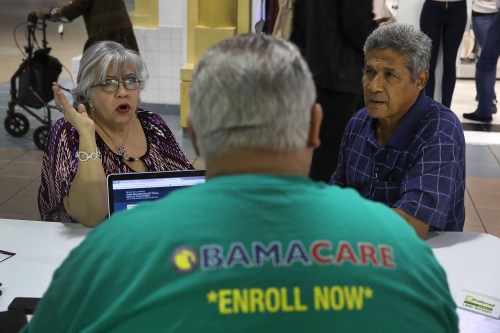
I’ve been checking on the progress of the Affordable Care Act’s open enrollment season, which is happening as Congress continues to debate whether to extend the subsidies that have given consumers extra help paying their health insurance premiums.
The story drew responses from readers facing large cost increases if these enhanced subsidies expire. They wrote about trying to find ways to squeeze hundreds of dollars a month out of family budgets, or even facing the possibility of going uninsured — and thus not being able to continue cancer or arthritis treatment. A few said they were waiting to see whether Congress would act, while others were enrolling but choosing less expensive plans with higher annual deductibles.
Those cost increases could have serious political repercussions.

Email Sign-Up
Subscribe to KFF Health News' free weekly newsletter, "The Week in Brief."
According to a KFF poll released this month, about half of current enrollees who are registered to vote said that if their overall health care expenses — copays, deductibles, and premiums — increased by $1,000 next year, it would have a “major impact” on whether they vote in next year’s midterm elections or which party’s candidate they will support.
As for enrollment, the Centers for Medicare & Medicaid Services on Dec. 5 released early figures showing 949,450 new sign-ups — people who did not have existing ACA coverage — across the federal and state marketplaces. That’s down a bit from approximately the same period last year, when there were 987,869 new enrollees. But CMS showed an increase in returning customers who had already selected a plan for next year, with the number up by more than 400,000 from the same time in 2024.
Jessica Altman, executive director of California’s insurance marketplace, and Audrey Morse Gasteier, executive director of the exchange in Massachusetts, both said it’s too early to tell how final tallies will compare with 2025’s record 24 million sign-ups nationally.
California reported a 33% drop in new enrollments through Dec. 6. And Altman said more people are opting for “bronze”-level plans, which have lower premium payments than most other ACA plans but higher deductibles.
Both state exchange directors said they are hearing from scared consumers.
“Our call centers are getting heartbreaking phone calls from people about how they can’t understand how they can possibly remain in coverage,” Gasteier said.
If Congress does act, even in January, the states say they can update their websites to reflect changes, but those updates could take a week or two. In the meantime, people who sign up for coverage would pay their premiums based on the originally programmed information, which assumed the subsidies would expire at the end of the year.