Latest KFF Health News Stories

¿Quisieras que te hicieran pruebas genéticas como parte de tu chequeo anual?
El debate se generó cuando un sistema de salud anunció que comenzaría a secuenciar el ADN de 1,000 pacientes, como parte de un proyecto de atención primaria.
Are You And Your Primary Care Doc Ready To Talk About Your DNA?
The Pennsylvania-based health chain Geisinger plans to offer DNA sequencing as part of regular patient care.

Lack Of Insurance Exposes Blind Spots In Vision Care
As many as 16 million people in the United States have undiagnosed or uncorrected vision problems that could be fixed with eyeglasses, contact lenses or surgery.

Medicare Beneficiaries Feel The Pinch When They Can’t Use Drug Coupons
Federal law prohibits them from using the coupons drugmakers offer to help patients cover their share of a medicine’s cost.

Telemedicine Opening Doors To Specialty Care For Inmates
Getting prisoners to a medical facility can be difficult, so corrections officials are increasingly setting up telemedicine programs for specialized needs, such as psychiatric, cancer and cardiac care.
Telemedicina abre las puertas para que presos reciban atención de especialistas
Expertos aseguran que la salud de los reclusos mejora al ser atendidos por especialistas a través de videoconferencias, con la asistencia del médico del centro penitenciario.

Cuatro nuevas razones para evitar la multa por no tener seguro de salud
Nuevas reglas permitirán pedir exenciones al requisito de pagar una multa por no tener coebrtura de salud, en base al lugar de residencia y a la opinión sobre el aborto.
4 New Ways You Can Avoid Fines For Not Having Health Insurance
Among changes by the Trump administration, new rules protect consumers living in areas with only one marketplace plan as well as those who oppose abortion and can’t find a plan that doesn’t cover the procedure.

Congress Urged To Cut Medicare Payments To Many Stand-Alone ERs
As free-standing emergency departments multiply, the Medicare Payment Advisory Commission recommends a 30 percent reduction in some federal reimbursements for those within 6 miles of a hospital.
Can You Hear Me Now? Senate Bill Aims to Broaden Access To Hearing Services.
The measure would allow Medicare beneficiaries to visit an audiologist to get a hearing test to diagnose a hearing problem without first being referred by a physician or nurse practitioner.
Don’t Get Tripped Up By The IRS Tweak To Health Savings Accounts
A new federal calculation reduces by $50 the amount a family can put aside in 2018 in these accounts to pay medical bills. Anyone who has already funded the account at a higher level will need to adjust or deal with the tax consequences next year.
Tele-Monitoring Can Reduce Medical Appointments For Low-Risk Pregnancies
In a program called OB Nest, Mayo has been using a telemedicine program in its obstetrics clinic in Rochester, Minn., that allows low-risk expectant mothers to forego some standard prenatal visits.
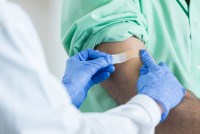
Adults Skipping Vaccines May Miss Out On Effective New Shingles Shot
Federal health officials recommend that adults get a number of vaccinations, including protections against shingles, the flu, pneumonia, tetanus, diphtheria and pertussis. But immunization rates are generally low.
Adultos saltean vacunas y no se benefician de la nueva contra el herpes zóster
A diferencia del calendario de vacunas infantil, que los padres respetan en más de un 90%, los adultos se saltean vacunas, que previenen una amplia gama de enfermedades.

Nueva estrategia: hospitales internan a pacientes… en sus propias casas
Un enfoque común en Australia, Gran Bretaña y Canadá comienza a cobrar fuerza en el país: internar en sus propios hogares a los pacientes que no tienen condiciones de cuidado crítico.
From The ER To Inpatient Care — At Home
Some health systems are encouraging selected ill emergency department patients who are stable and don’t need intensive, round-the-clock care to opt for hospital-level care at home.
Refusing To Work For Medicaid May Not Translate To Subsidies For ACA Plan
In states that are instituting work requirements for Medicaid coverage, refusing to get a job will not likely make you eligible for subsidies to buy a marketplace plan.

Anthem Calls On Eye Surgeons To Monitor Anesthesia During Cataract Surgery
The insurer says it is not usually medically necessary to have an anesthesiologist or nurse anesthetist on hand during the common surgery.

Maryland Offers Many Insured Men Free Vasectomy Coverage
But state officials are trying to get assurances from the Internal Revenue Service that the new law does not conflict with federal rules for health savings accounts.

Cut In Federal Subsidies Threatens Basic Health Programs In N.Y., Minn.
President Donald Trump’s decision to stop paying cost-sharing reduction subsidies means the federal government will reduce its funding of the Basic Health Program that provides low-cost coverage to more than 800,000 low-income people in those two states.