Latest KFF Health News Stories

South Dakota Voters Approved Medicaid Expansion, but Implementation May Not Be Easy
South Dakotans voted to expand the state’s Medicaid program to cover thousands of additional low-income residents. But as other conservative states have shown, voter approval doesn’t always mean politicians and administrators will rush to implement the change.

Defense Department Health Plan Cuts Its Pharmacy Network by Nearly 15,000 Outlets
Many of the pharmacies were small, independent operations that had decided not to participate next year because of the lowered reimbursement being offered. But they were surprised by an early dismissal, and some patients with specialized drug needs could face difficulties in the transition.

Centene Showers Politicians With Millions as It Courts Contracts and Settles Overbilling Allegations
Centene, the largest Medicaid managed-care company in the U.S., has thrown more than $26.9 million at political campaigns across the country since 2015, especially focused on states where it is wooing Medicaid contracts and settling accusations that it overbilled taxpayers. Among its tactics: Centene is skirting contribution limits by giving to candidates through its many subsidiaries.

When Monkeypox Reaches Rural Communities, It Collides With Strained Public Health Systems
In Nevada, local health officials are assessing the threat of monkeypox, but their response may be hampered by historically limited public health infrastructure worn thin by the covid-19 pandemic.

For the Houma People, Displacement Looms With Every Storm
The Houma, an Indigenous tribe, has seen much of its Gulf Coast community washed away by rising sea levels and dangerous storms. Its leaders say the tribe’s lack of federal recognition makes it harder to keep rebuilding.

Drivers in Decline: A Shortage of Volunteers Complicates Access to Care in Rural America
Public transit is already insufficient in rural areas, leaving residents with few options as they travel greater distances to access health care. But older residents who depend on volunteer drivers to get them to appointments face another challenge: The number of those volunteers is declining.

Campaigning Ramps Up as South Dakota Voters Decide on Medicaid Expansion
A broad coalition of Medicaid expansion supporters faces off against a smaller group of opponents as early voting begins on a constitutional amendment that would increase coverage under South Dakota’s program.

As Giant Hospitals Get Bigger, an Independent Doctor Feels the Pinch
Independent medical practices keep closing as doctors join behemoth hospital groups or leave the field. Research suggests that’s bad news for patients. Studies repeatedly conclude that consolidation in the health care industry is driving up costs while showing no clear evidence of improved care.

Climate Change Magnifies Health Impacts of Wildfire Smoke in Care Deserts
Smoke- and ash-filled air can trigger or exacerbate severe respiratory conditions. But the medical specialists who treat these illnesses are often scarce where they are most in need.

Mental Health Crisis Teams Aren’t Just for Cities Anymore
In many cities, social workers and counselors are responding to mental health emergencies that used to be solely handled by police. That approach is spreading to rural areas even though mental health professionals are scarcer and travel distances are longer.

Buy and Bust: After Platinum Health Took Control of Noble Sites, All Hospital Workers Were Fired
Two Missouri towns are without operating hospitals after private equity-backed Noble Health left both facilities mired in debt, lawsuits, and federal investigations. The hospitals’ new operator, Platinum Health, agreed to buy them in April for $2 and laid off the last employees in early September.

Many Refugees Dealing With Trauma Face Obstacles to Mental Health Care
Refugees are arriving in the U.S. in greater numbers after a 40-year low, prompting some health professionals to rethink ways to provide culturally competent care amid a shortage of mental health services.

As State Institutions Close, Families of Longtime Residents Face Agonizing Choices
Iowa, under federal pressure to improve care for people with intellectual or developmental disabilities, is set to join 45 other states that have closed most or all of their state institutions for such residents.

Hospitals Cut Jobs and Services as Rising Costs Strain Budgets
More than two years into the pandemic, hospital budgets are beginning to crack. One of the biggest drivers of financial shortfalls has been the cost to find workers.

Rural Americans Have Difficulty Accessing a Promising Cancer Treatment
Chimeric antigen receptor T-cell therapy has eliminated tumors in some late-stage cancer patients, but the cost and complexity of care mean rural Americans have trouble accessing the treatment.

A Needle Exchange Project Modeled on Urban Efforts Aims to Save Lives in Rural Nevada
Five years after HIV tore through a rural Indiana town as a result of widespread drug use, a syringe and needle exchange program was set up in rural Nevada to prevent a similar event.

For Kids With Kidney Disease, Pediatric Expertise Is Key — But Not Always Close By
A study published in JAMA leads to questions about the uneven distribution of pediatric nephrologists nationwide. Children with end-stage kidney disease feel the impact.

Some Rural Hospitals Are in Such Bad Shape, Local Governments Are Practically Giving Them Away
Coming out of the pandemic, many rural hospitals are in even rougher shape than before. So rough that some are now practically being handed to investors for little more than a pledge to keep them open.
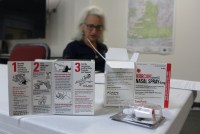
Public Health Agencies Adapt Covid Lessons to Curb Overdoses, STDs, and Gun Violence
Know-how gained through the covid pandemic is seeping into other public health areas. But in a nation that has chronically underfunded its public health system, it’s hard to know which changes will stick.

Buy and Bust: Collapse of Private Equity-Backed Rural Hospitals Mired Employees in Medical Bills
The U.S. Labor Department investigates Noble Health after former employees of its shuttered Missouri hospitals say the private equity-backed owner took money from their paychecks and then failed to fund their insurance coverage.