KHN’s ‘What The Health?’: Prepping For A Possible Pandemic
Official Washington is sitting up and taking notice of the threat from the novel coronavirus as Congress and the Trump administration prepare for a potential pandemic. Meanwhile, the Democratic candidates for president are still arguing about “Medicare for All.” Joanne Kenen of Politico, Kimberly Leonard of the Washington Examiner and Shefali Luthra of Kaiser Health News join KHN’s Julie Rovner to discuss this and more. Also, Rovner interviews NPR’s Sydney Lupkin about the latest “Bill of the Month” installment.
As The Coronavirus Spreads, Americans Lose Ground Against Other Health Threats
Health care experts thought the battle was won against heart disease, measles, smoking, STDs and other life-threatening conditions and behaviors. Better think again.
Must-Reads Of The Week From Brianna Labuskes
Newsletter editor Brianna Labuskes wades through hundreds of health care policy stories each week, so you don’t have to.
KHN’s ‘What The Health?’: The Labor Pains Of ‘Medicare For All’
Organized labor is divided over whether to support “Medicare for All.” Meanwhile, many of the Democratic presidential candidates seem unable to use the health issue to their advantage. Rebecca Adams of CQ Roll Call, Jennifer Haberkorn of the Los Angeles Times and Alice Miranda Ollstein of Politico join KHN’s Julie Rovner to discuss this and more. Also, for extra credit, the panelists offer their favorite health policy stories of the week they think you should read, too.
School Districts Grapple With Quarantines, Face Masks And Fear
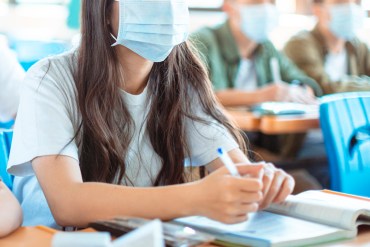
In the wake of the coronavirus outbreak, school districts, especially those with large Chinese student populations, are in uncharted territory as they apply new federal travel rules to their students. Some also are weighing requests from parents that are more about fear than science, such as whether to allow students with no travel history to stay home from school.
Distritos escolares lidian con cuarentenas, mascarillas y miedo
Los distritos pisan territorio desconocido cuando aplican reglas federales a sus cuerpos estudiantiles. Y muchas veces toman decisiones sin orientación oficial.
Must-Reads Of The Week From Brianna Labuskes
Newsletter editor Brianna Labuskes wades through hundreds of health care policy stories each week, so you don’t have to.
Datos vs miedo: 5 respuestas que te ayudarán a medir tu riesgo con el coronavirus
Los científicos tienen más preguntas que respuestas sobre cuestiones importantes relacionadas con el coronavirus, ahora oficialmente llamado COVID-19.
Facts Vs. Fears: Five Things To Help Weigh Your Coronavirus Risk
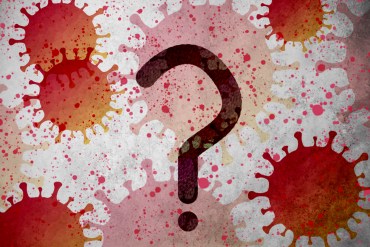
As the numbers of coronavirus fatalities and infections rise, the threat posed by the outbreak in China can seem frightening. But public health officials say the risk in the United States is low. Experts discuss some important issues that can help U.S. residents understand how the epidemic is unfolding.
Coronavirus Tests Public Health Infrastructure In The Heartland
While Missouri has yet to have a confirmed case of coronavirus, the threat of the disease is siphoning resources from an already stretched-thin public health system.
Para combatir el COVID-19, usan drogas contra el VIH, la malaria y el Ébola
Cuando surge un nuevo virus y pone en peligro a un gran número de personas, los científicos a veces recurren a medicamentos ya existentes que pueden readaptarse.

To Fight Chinese Outbreak, Doctors Deploy Drugs Targeting HIV, Malaria And Ebola
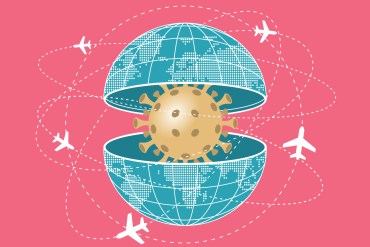
Chinese doctors and public health officials are turning to a variety of drugs as they seek an effective treatment for patients sickened by the novel coronavirus. The evidence behind some of these medicines is flimsy, researchers acknowledge, but human trials are the only way to know whether these drugs work.
When It Comes To The New Coronavirus, Just Who Is A ‘Close Contact’?
Health officials stress that the new coronavirus devastating mainland China continues to pose minimal risk in the United States. The exception involves people who have had “close contact” with someone infected with the virus. So what exactly is close contact?
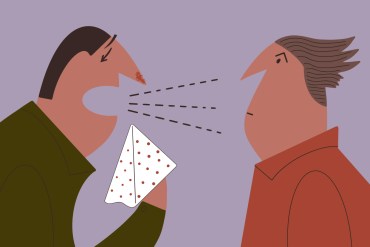
Con el nuevo coronavirus, ¿quién es un “contacto cercano”?
La forma en que se propaga un virus y la gravedad de la enfermedad que causa determina la forma en que los oficiales de salud deciden cuántas personas corren riesgo de contagio.
Must-Reads Of The Week From Brianna Labuskes
Happy Friday! In news that is technically really good and exciting but is also kind of icky: yarn made from human skin could eventually be used to stitch up surgical wounds as a way to cut down on detrimental reactions from patients. As CNN reports, “The researchers say their ‘human textile,’ which they developed from […]
Listen: Updates On Coronavirus Outbreak And How It Affects Chinese Immigrants
California Healthline reporters Anna Maria Barry-Jester and Anna Almendrala spoke with WNHN’s “The Attitude w/ Arnie Arnesen” about the novel coronavirus and its impact on Asian immigrants in the United States.
Listen: Which Is The Greater Threat — The Coronavirus Or The Flu?
Kaiser Health News reporter Liz Szabo talked to Connecticut Public Radio about the risks of the novel coronavirus compared with influenza.
Public Health Officials Offer Scant Details On U.S. Coronavirus Patients
To date, the U.S. has multiple confirmed cases of the viral infection that originated in Wuhan, China. That includes cases in which the virus passed from person to person within this country. So why don’t health officials share more information with the public?
No enmascares la mejor forma de evitar el aterrador coronavirus: lávate las manos
La editora de KHN cubrió para The New York Times el brote de SARS en China. Y sabe de primera mano lo que funcionó entonces, y lo que funcionaría ahora para prevenir al coronavirus.
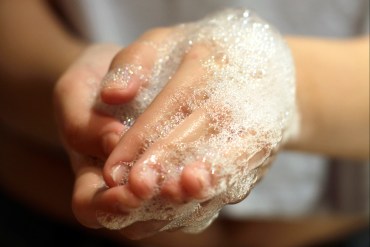
No Masking The Best Way To Avoid The Scary Coronavirus: Wash Your Hands
While covering the SARS outbreak as a reporter in China, KHN’s editor-in-chief saw that common sense is the best defense against viral illness.