Latest Morning Briefing Stories
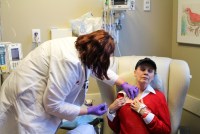
Big Bills A Hidden Side Effect Of Cancer Treatment
High deductible health insurance plans and soaring drug costs make cancer a tremendous financial burden for many patients.

So You Have Dense Breasts. Now What?
Dense breasts make mammograms harder to read. As more states pass laws requiring that women be told of the risks, debate is growing about whether such warnings are helpful — or even harmful.

Patient Safety Advocate Sees ‘Hope And Hype’ In Digital Revolution
Dr. Robert Wachter says medicine’s move to a computer age can improve care but patients still face serious challenges in adapting to the new technology and the prospect of overcoming a fragmented health system.

Moving Out: Hospitals Leave Downtowns For More Prosperous Digs
Hospitals are relocating to more affluent communities to attract better-paying patients, but critics say they abandon the poor.
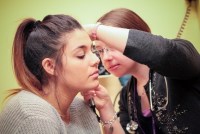
Med Students Chip In To Help The Uninsured
Almost 1 million New York City residents are still uninsured. Rather than go to emergency rooms or city hospitals, some of them get free care from medical school students.

In Pursuit Of Patient Satisfaction, Hospitals Update The Hated Hospital Gown
Redesigning and replacing hospital gowns is one example of efforts by hospitals and health systems to enhance the patient experience.

Hoping To Live, These Doctors Want A Choice In How They Die
In a California lawsuit seeking to allow doctors to prescribe lethal medications at patients’ request, two plaintiffs are physicians with serious illnesses. Both want the option of choosing to end their lives.
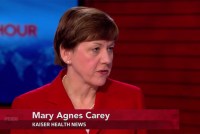
House Approves Permanent Fix For Medicare Doctor Payments
For more than a decade, doctors who treat Medicare patients have been threatened with pay cuts due to a faulty formula of how doctors are reimbursed. But in a rare bipartisan agreement, the House of Representatives overwhelmingly passed a deal to permanently end the problem and reward quality of care, not quantity.

Errors Can Turn Affordable Care Benefits To Customer Torment
Pairing federal payments with private insurance brings benefits to many but creates dueling bureaucracies for some customers caught between them.

Battle Over Dementia Drug Swap Has Big Stakes For Drugmakers, Consumers
A court ruling about Actavis’s strategy to switch consumers from its top-selling dementia drug, which will lose patent protection this summer, to a newer, patent-protected drug, may define how far drugmakers can go to protect profits from generic rivals.

In Texas Funding Fight, Cancer Care For Poor Women Could Be Collateral Damage
GOP lawmakers eager to cut off funding to Planned Parenthood are weighing changes to a cancer screening program for poor women. But private clinics unaffiliated with Planned Parenthood say they’d take a hit, too.

Credit Rating Agencies Agree To Be More Flexible About Medical Debt
Under the agreement, medical bills will not be added to a consumer’s credit report for six months to give the patient and insurer time to pay.

Efforts To Instill Empathy Among Doctors Are Paying Dividends
Often considered less important than technical skills, having a good bedside manner is important to helping patients and can lead to better outcomes.
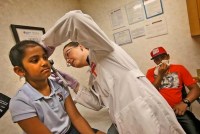
Retail Health Care Spurs Innovation In South Florida
In September, Florida Blue will debut three “integrated care” facilities designed to cater to South and Central American populations by offering primary care, specialty services, labs and diagnostics under one roof — a model common in Latin America.

Mental Health Providers Look For Federal Incentives To Go Digital, Too
The federal government is spending $26 billion to get doctors and hospitals to move to digital records to help coordinate care, but the funding does not include mental health clinics, psychologists and psychiatric hospitals.

FDA Heads Into Uncharted Territory Of ‘Biosimiliar’ Drugs
Under a new process set out by the health law, the FDA approved the first so-called biosimilar drug for sale in the U.S. It’s a copy of the cancer medicine Neupogen that will be sold under the brand name Zarxio.

Awake, And Safe, All Night Despite Dementia
A special “daycare at night” program in the Bronx cares for Alzheimer’s patients whose internal clocks mistake night for day.

Slightly More Latinos and African Americans Sign Up On California Exchange
About 37 percent of subsidized Covered California enrollees are Latino, up six points compared with last year, and about 4 percent are African American, up one point.

Residents of a tiny rural town in northern California talk about the lack of access to mental health care.

HHS Shifts Money From Cancer, Global Health To Pay For Health Insurance Exchange
Some House Republicans question the transfer of funds, but HHS says the shifts are legal and necessary to operate a marketplace, which is relied upon by 37 states.