Latest KFF Health News Stories

Un paquete de programas federales que por años han apoyado a mujeres y niños también está en la mira de Trump y de miembros de su gabinete, que dicen impulsar políticas pro natalidad.
Trump Wants Americans To Make More Babies. Critics Say His Policies Won’t Help Raise Them.
The administration’s embrace of the pronatalist movement often doesn’t include support for programs traditionally associated with the health and well-being of women, children, and families.

Even as SNAP Resumes, New Work Rules Threaten Access for Years To Come
Even as the federal government resumed funding the nation’s largest food assistance program, people risk losing access to the aid because of new rules.

Cómo decidir quiénes califican como “médicamente frágiles” según las reglas laborales de Medicaid
Ante la falta de directrices claras a nivel federal, los estados deben llegar a un acuerdo sobre cómo definir la fragilidad médica.
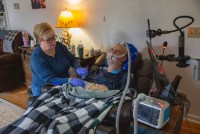
They Need a Ventilator To Stay Alive. Getting One Can Be a Nightmare.
Few nursing homes are set up to care for people needing help breathing with a ventilator because of ALS or other infirmities. Insurers often resist paying for ventilators at home, and innovative programs are now endangered by Medicaid cuts.
Medicaid Work Rules Exempt the ‘Medically Frail.’ Deciding Who Qualifies Is Tricky.
People on Medicaid deemed “medically frail” won’t need to meet new federal requirements that enrollees work 80 hours a month or perform another approved activity. But state officials are grappling with how to interpret who qualifies under the vague federal definition, which could affect millions.

Not Serious Enough To Turn on the Siren, Toddler’s 39-Mile Ambulance Ride Still Cost Over $9,000
After her son contracted a serious bacterial infection, an Ohio mother took the toddler to a nearby ER, and staffers there sent him to a children’s hospital in an ambulance. With no insurance, the family was hit with a $9,250 bill for the 40-minute ride.
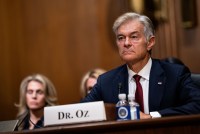
Las quejas sobre deficiencias en Medicare Advantage son comunes, pero la supervisión federal es rara
Documentos gubernamentales obtenidos por KFF Health News muestran que la agencia que supervisa Medicare Advantage no se esfuerza por hacer cumplir normas vigentes.
What the Health? From KFF Health News: The GOP Circles the Wagons on ACA
Republicans are solidifying their opposition to extending pandemic-era subsidies for Affordable Care Act plans and seem to be coalescing around giving money directly to consumers to spend on health care. Meanwhile, HHS Secretary Robert F. Kennedy Jr. continues to leave his mark on the agency, with the CDC altering its website to suggest childhood vaccines could play a role in causing autism. Paige Winfield Cunningham of The Washington Post, Joanne Kenen of the Johns Hopkins Bloomberg School of Public Health and Politico Magazine, and Shefali Luthra of The 19th join KFF Health News’ Julie Rovner to discuss those stories and more. Also this week, Rovner interviews Avik Roy.
Complaints About Gaps in Medicare Advantage Networks Are Common. Federal Enforcement Is Rare.
Health systems drop out of Medicare Advantage plans all the time. Yet government documents obtained by KFF Health News show that federal regulators rarely warn plans that their networks of health providers are so skimpy they violate legal requirements.

Paciente evita la enfermedad de Lyme, pero recibe una factura sorpresa
El personal de una clínica de urgencias encontró otra garrapata en el cuerpo de Leah durante esa visita. Pero su aseguradora no quiso pagar por el tratamiento.
Ticked Off Over Preauthorization: Walk-In Patient Avoided Lyme Disease but Not a Surprise Bill
A Maine woman sought care at a clinic for a tick bite, then paid full price after her insurer denied coverage. Its reason? She didn’t have preapproval for the walk-in visit, even though testing later detected the pathogen that causes Lyme disease.

FDA’s Plan To Boost Biosimilar Drugs Could Stall at the Patent Office
Drug industry officials and analysts praised the FDA’s plans to streamline regulation of “biosimilars,” which are cheaper alternatives to biologic drugs. But patents that block such drugs from the U.S. market are getting harder to fight.

Journalists Untangle Issues of Health Care Costs and Food Benefits
KFF Health News journalists made the rounds on national or local media recently to discuss topical stories. Here’s a collection of their appearances.

Listen: New Federal Guidelines Could Weaken Consumer Protections Against Medical Debt
The Trump administration has taken another step to weaken protections for Americans with medical debt, issuing rules that undercut state efforts to keep these debts off consumers’ credit reports.
What the Health? From KFF Health News: The Government Is Open
The record-long federal shutdown is over after a small group of Democrats agreed to a deal with most Republicans that funds the government through January — but, notably, does not extend more generous Affordable Care Act tax credits. Plus, new details are emerging about how the Trump administration is using the Medicaid program to advance its policy goals. Anna Edney of Bloomberg News, Shefali Luthra of The 19th, and Sandhya Raman of CQ Roll Call join KFF Health News’ Emmarie Huetteman to discuss these stories and more. Also this week, KFF Health News’ Julie Rovner interviews KFF Health News’ Julie Appleby, who wrote the latest “Bill of the Month” feature.

Readers Take Congress to Task and Offer Their Own Health Policy Fixes
KFF Health News gives readers a chance to comment on a recent batch of stories.

An Arm and a Leg: A Few Good Things From 2025 (Really)
Good news for health care access this year includes new state laws to rein in prior authorization and medical debt collectors.

Health Care Costs Jump to the Fore as Candidates Jockey To Be California Governor
During a California gubernatorial debate, candidates promised to protect people’s access to health care and fight back against Trump administration cuts. With the contest a year away, polling shows voters want the next governor to minimize out-of-pocket health care costs, increase mental health care, and expand caregiving services.

As Health Companies Get Bigger, So Do the Bills. It’s Unclear if Trump’s Team Will Intervene.
As health systems, doctor groups, and insurers merge into ever-bigger giants, patient care gets more expensive. Yet the Trump administration has sent mixed signals about its willingness to intervene — and shown some disdain for Biden officials’ more aggressive approach.