Latest KFF Health News Stories
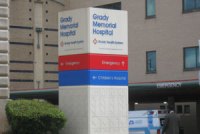
Grady’s Challenges Highlight Problems of Safety-Net Hospitals
The cornerstone of Atlanta medical care strives to turn a corner, but fight over dialysis center underscores difficulties of meeting increasing demands in a poor economy.
Study: Young Docs Stumped By Health Care System, Too
Fewer than half of all graduating medical students say they have a good sense of how to navigate health care systems or the economics of practicing medicine, according to a new study.
U.S. Doesn’t Always Trump Other Countries In Quality Of Health Care
A study comparing U.S. treatment outcomes and other indicators among 30 developed nations found “no hard evidence” that American system stands out.
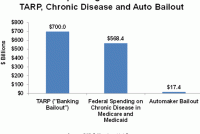
It’s Time For A Chronic Health Care Bailout
To get to universal coverage in a fiscally sound way, we need to come up with a “chronic care bailout” plan. The way to do this is through health payment reform.

Medicare Makes Patients Happy, But Can It Last?
As part of the series, “Are You Covered?” KHN and NPR profile Audrey Bernfield, 71, a two-time breast cancer survivor. When her cancer returned, her Medicare coverage enabled her to choose her own doctors, move closer to her family and get the best treatments for her situation. She says she prefers Medicare over a private insurer. Medicare Coverage Explained | Video Profile

Several states are implementing “medical home” programs, which shifts the health care system from emphasizing acute care for emergencies, such as heart attacks and strokes, to one focusing more on treating – or preventing – chronic illnesses.

A Medical Mystery: Why Health Care Is So Expensive
Policymakers are looking for ways to trim medical spending. In a single procedure, a cardiologist might throw away two heart stents that cost $2,000 apiece. That’s just part of providing proper care, the doctor says – it’s the economics of precision and technological advance. This story comes from our partner NPR News.
Reform Won’t Work Without Strengthening Nursing
Health care reform is the serious-minded media event of the summer, but one element of the story has inspired relatively little serious discussion: the role of nursing.
Minnesota Experiment Puts Patient Health First
Doctors paid a salary, rather than per procedure ordered, shift their emphasis to prevention. This story comes from our partner NPR News.
Could Lawsuit Curbs Pave Way For Health Care Deal?
The GOP has long said that many of the ills of the nation’s health care system can be remedied with a cap on medical malpractice suits. Democrats say limits on pain and suffering awards are not the answer. Could a compromise save the president’s health care initiative? This story comes from our partner NPR News.

Dr. House’s Prescription: More Medicine Is Better
Despite TV portrayals of best medicine, health reform proponents says patients could get good treatment — and cheaper care — if high tech tests were used more judiciously.

Nurses, Once in High Demand, Face Job Shortages
As economic conditions force a tighter job market, new nurses find it’s harder than ever to land their dream job-or any job, for that matter. It’s especially difficult in metropolitan areas.
Doctors Disagree About Effectiveness, Cost Of Stents
For policymakers to cut medical spending, they must persuade doctors that some procedures are unnecessary. A friendly debate between two cardiologists over using stents to unclog arteries shows how hard it may be to achieve that consensus. This story comes from our partner NPR News.
‘Don’t Choose Paper’: Sebelius, Blumenthal Provide Detail On Health IT Funds
At a forum in Chicago, Health and Human Services Secretary Kathleen Sebelius and Vice President Joe Biden announced Thursday the release of $1.2 billion of stimulus money to help with the adoption of electronic medical records at a forum in Chicago.
What Can A Medical Billing Advocate Do For You?
When a claim is denied, an out-of-network fee is too costly, or an uninsured patient confronts an unclear or towering bill, an advocate may be able to help.

Code Blue: Out-of-Network Charges Can Spur Financial Emergency
When Gary Diego’s wife, Ellen, had bleeding in her brain, she ended up in an out-of-network emergency room. And he ended up with a huge bill. In a practice known as balance billing, insurers pay a portion of the out-of-network charges, and the rest is dumped on patients.
Transcript: President Obama’s Colorado Town Hall Meeting On Health Reform
President Barack Obama spoke about health insurance, a pressed for a need to overhaul the health care system at town hall meeting in Grand Junction, Colorado on Saturday.
What The House Health Bill Says About End-Of-Life Care
Section 1233 of the health overhaul bill approved by three House committees has been the subject of great debate. We present the language as written in the bill itself.

Doctors Providing End of Life Counseling See Benefit in Current Controversy
Physicians, while disputing the charges of plans for euthanasia, say the debate on what is in the House health bill on end-of-life care could help focus attention on an underfunded service.
E-Health Ambitions to Confront Human, Financial Realities
As much as $36 billion in federal stimulus money will help physicians and hospitals go digital by 2015. But, workers need training, smaller offices may struggle to come up with down payments, and once the electronic records are up and running many say their biggest value is pointing out room for improvement. And, improvement efforts cost time and money, too.