Latest Morning Briefing Stories

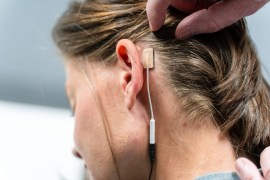
How One Patient’s Textured Hair Nearly Kept Her From a Needed EEG
An EEG can help diagnose conditions like epilepsy, sleep disorders, and brain tumors. But a design flaw and outdated Eurocentric practices make the test less effective on thicker, denser, and curly hair types, potentially excluding or deterring some people from getting screened.
As Federal Emergency Declaration Expires, the Picture of the Pandemic Grows Fuzzier
The pandemic gave federal officials expanded power to access crucial data about the spread of covid-19, but that authority will change when the public health emergency sunsets in May. That, along with the end of popular covid trackers, will make it harder for policymakers and the public to keep an eye on covid and other threats.

How a 2019 Florida Law Catalyzed a Hospital-Building Boom
In Wesley Chapel, Fla., near Tampa, residents will soon have three general hospitals within a five-minute drive. The new construction is part of a hospital-building boom across Florida unleashed almost four years ago, when the state dropped a requirement that companies obtain government approval to open new hospitals.

Disability Rights Groups Sue to Overturn California’s Physician-Assisted Death Law
Disability rights advocates and two individuals with disabilities sued Tuesday to overturn the state’s physician-assisted death law, arguing it is unconstitutional, violates the Americans with Disabilities Act, and makes it too easy for people with terminal diseases whose deaths aren’t imminent to kill themselves with a doctor’s help.

Depressed? Anxious? Air Pollution May Be a Factor
A growing body of research is finding links between air quality and mental health, as therapists report seeing patients with symptoms linked to pollution.

Did a Military Lab Spill Anthrax Into Public Waterways? New Book Reveals Details of a US Leak
“Pandora’s Gamble” describes how 2,000 to 3,000 gallons of wastewater potentially containing anthrax, Ebola, and other deadly pathogens spilled from an Army facility in Frederick, Maryland, in 2018.

A California Physician Training Program Adds Diversity, but Where Do Graduates End Up?
Researchers found that, while a University of California medical training program has diversified the system’s pool of medical students, there’s not enough long-term data to know whether graduates return to practice where they’re needed most.
Listen: Mifepristone Remains Available for Now. What Happens Next?
The Supreme Court on April 21 ruled that the abortion pill mifepristone should remain widely available while the lower courts consider the issue, blocking earlier rulings that banned or restricted access to the drug. KFF Health News’ Julie Rovner joined NPR’s “Weekend All Things Considered” to discuss the complicated case.
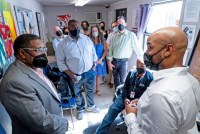
US Officials Want to End the HIV Epidemic by 2030. Many Stakeholders Think They Won’t.
The federal government’s ambitious plan to end the HIV epidemic, launched in 2019, has generated new ways to reach at-risk populations in targeted communities across the South. But health officials, advocates, and people living with HIV worry significant headwinds will keep the program from reaching its goals.

Pain, Hope, and Science Collide as Athletes Turn to Magic Mushrooms
A group of former professional athletes traveled to Jamaica to try psychedelics as a way to help cope with the aftereffects of concussions and a career of body-pounding injuries. Will this still largely untested treatment work?

The Biden Administration Vowed to Be a Leading Voice on Opioid Settlements But Has Gone Quiet
Billions of dollars are headed to state and local governments to address the opioid crisis. Policy experts and advocates expect the federal government to play a role in overseeing the use of the money. Failure to do so, they say, could lead to wasted opportunities. And, since Medicaid helps pay health care costs, the feds could have a claim to portions of states’ opioid settlements.
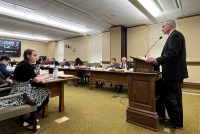
Tension Builds in Transgender Policy Debate in Montana
Two transgender lawmakers are trying to lay the groundwork for LGBTQ-friendly policies in a conservative state, but tensions are running high as the legislative session nears its end.
What the Health? From KFF Health News: Will They or Won’t They (Block the Abortion Pill)?
The Supreme Court is considering the future of the abortion pill mifepristone, after GenBioPro sued the FDA over limitations that effectively block generic production of the drug, a major part of the market. Congress is considering proposals that would impose Medicaid work requirements, crack down on pharmacy benefit managers, and more. And President Joe Biden moved to expand health coverage to young immigrants known as “Dreamers.” Rachel Cohrs of Stat, Sandhya Raman of CQ Roll Call, and Joanne Kenen of the Johns Hopkins Bloomberg School of Public Health and Politico join KFF Health News’ Mary Agnes Carey to discuss these issues and more.
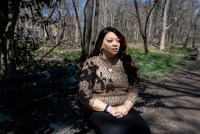
Lose Weight, Gain Huge Debt: NY Provider Has Sued More Than 300 Patients Who Had Bariatric Surgery
The private equity-backed practice has been known to demand more than $100,000 in charges or penalties. One patient is fighting back.
An Arm and a Leg: A $229,000 Medical Bill Goes to Court
Lisa French was told her surgery would cost $1,337. But the hospital sent her a bill for $229,000, then sued her. The case went all the way to the Colorado Supreme Court. The court’s ruling could have major implications for determining a “reasonable price” in health care.
The CDC Lacks a Rural Focus. Researchers Hope a Newly Funded Office Will Help.
Advocates for improving rural health pushed for the CDC to extend its rural health focus by creating an Office of Rural Health. They hope the agency will commit to rural health research and provide analyses that lead to good public health policies for rural communities.

California’s Medicaid Experiment Spends Money to Save Money — And Help the Homeless
Gov. Gavin Newsom’s ambitious experiment in health care is supposed to cut costs as it fills the needs of hard-to-reach people. The program’s start is chaotic and limited, but it shows promise.

As Pandemic Emergencies End, People Battling Long Covid Feel ‘Swept Under the Rug’
Millions of Americans suffer from long covid, which can have debilitating physical effects, including fatigue and difficulty breathing. Yet many patients feel they’re on their own.

People With Down Syndrome Are Living Longer, but the Health System Still Treats Many as Kids
The median life expectancy for a U.S. baby born with Down syndrome jumped from about four years in 1950 to 58 years in the 2010s. That’s largely because they no longer can be denied lifesaving care, including surgeries for heart defects. But now, aging adults with Down syndrome face a health system unprepared to care for them.

A Smart Move on Tax Day: Get Health Insurance Information Using Your State’s Tax Forms
A growing number of states — including Maryland, Colorado, and Massachusetts — are using tax forms to point people toward lower-cost health coverage available through state insurance marketplaces.