


Latest KFF Health News Stories
Preparing Doctors For A Mass Shooting: ‘The Battlefield Has Been Brought To Our Communities’
Recognizing that mass shootings are something doctors face more frequently, the American College of Emergency Physicians assembled a task force to better improve response, using the military as a model. Meanwhile, the White House says there’s no plan to lift restrictions on blood donations from gay men, even as Democrats try to move on it.
Today’s early morning highlights from the major news organizations.
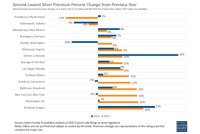
Study Projects Sharper Increases In Obamacare Premiums For 2017
A Kaiser Family Foundation analysis forecasts rates could jump 10 percent next year in 14 major metro markets.

Screen Flashes And Pop-Up Reminders: ‘Alert Fatigue’ Spreads Through Medicine
Electronic health records increasingly include automated alert systems pegged to patients’ health information. In some cases, though, the sheer volume of these messages has become unmanageable.

Medicare Releases Draft Proposal For Patient Observation Notice
Although there is widespread agreement on the need to let people know if they haven’t been admitted, the language proposed by federal officials hasn’t satisfied everyone.
Viewpoints: Health Care’s Merger Climate; The CDC And Gun Violence Research
A selection of opinions on health care from around the country.
Outlets report on health news from Arizona, Minnesota, Massachusetts, New Hampshire, Texas and New York.
Florida, Federal Government Owe Medicaid Managed Care Companies $433 Million
Eleven companies have been underpaid since 2014 because of a state error. Also, Medicaid news from Kansas and Tennessee.
UNOS To Implement New Technology To Make Organ Donation More Seamless
The United Network for Organ Sharing will roll out a new platform that will be used in the operating room to accurately label, package and track organs, as well as create a comprehensive data exchange interface. In other health IT news, though the ease of telemedicine might be tempting, a good old fashioned doctor’s visit is sometimes what’s actually needed.
One Researcher’s Battle With Schizophrenia
Brandon Chuang was working with patients who were diagnosed with schizophrenia when he suffered a psychotic break of his own. His path since has been strewn with dark days, but now he’s back in the lab and talking openly about his illness to help others. Meanwhile, a study finds that young Americans have a significantly weaker hand grip than those in 1985, dangerous chemicals are in public schools across the country and teens who vape are more likely to take up smoking.
Health Officials Revise Guidance Of Where Mosquitos That Could Carry Zika Are Found
The new map represents “the best knowledge of the current distribution of this mosquito based on collection records,” according to a federal scientist quoted by NPR. In other Zika news, the U.N. revokes an invitation to a Canadian professor to join a study group, a look at how cutbacks in women’s health programs could affect Zika prevention and advice on finding travelers’ insurance that might allow you to cancel a trip based on Zika threats.
In the 19 states that haven’t expanded Medicaid through the health law, poor patients aren’t getting the help they need. “The best way to get treatment if you’re addicted to drugs in Missouri is to get pregnant,” said Dr. Joe Parks, director of that state’s Medicaid program.
New Federal Rule Would Force Hospitals To Curb Overuse Of Antibiotics
The proposal is an effort to help stop the growth of drug-resistant germs. The rule also sets anti-discrimination policies for hospitals that include bans against discrimination based on sexual orientation.
Maryland Co-Op Files Suit Over CMS’ ‘Outrageous’ Risk Adjustment Formula
Evergreen Health Cooperative Inc. wants to avoid paying $22 million in fees.
Study: 24 Million Fewer People Would Have Insurance If Health Law Were Repealed
The study also found that the government’s spending on health would decrease by $927 billion over 10 years, but, even so, the Congressional Budget Office says the deficit would actually increase if the law were repealed. Meanwhile, consumer advocates are frustrated that Illinois doesn’t require insurers to make their premium hikes public until Aug. 1.
U.S., Cuba Form Partnership To Collaborate On Matters Of Public Health, Biomedical Research
The two countries will work together on issues such as dengue fever, Zika, drug development and medical training.
Millions In Federal Funds Awarded To State Groups To Cover Uninsured Children
Nonprofits and community groups in states such as Texas, Pennsylvania and Maryland receive money from the Centers for Medicare & Medicaid Services in order to increase insurance coverage for low-income kids.
Democrats Rail Against ‘Moral Bankruptcy Of The Blood Ban,’ Call For Change In Guidelines
In the aftermath of the Orlando massacre, pressure is mounting against the Food and Drug Administration’s regulations on gay men donating blood.
Why HIPAA Waiver Wasn’t Needed After Orlando Shooting
The law, intended to protect patients’ privacy, grants providers latitude in some circumstances to disclose certain information based on judgment, reason and compassion. Meanwhile, the proximity of the massacre to a Level 1 trauma center may have saved lives, a medical journal editor makes a push for more research on gun violence and experts speak about why it’s dangerous to oversimplify mental illness in relation to mass shootings.
Today’s early morning highlights from the major news organizations.