Campaigns To Increase Organ Donations Among Native Americans in South Dakota Conflict With Lakota Spiritual Beliefs
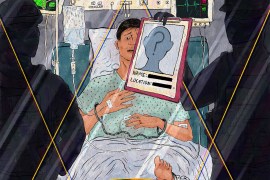
NPR's "Morning Edition" on Monday reported on campaigns in South Dakota to increase organ donation among Native Americans, which have conflicted with long-held Lakota spiritual beliefs that advise against the practice. According to NPR, South Dakota public health officials are seeking organ donations on American Indian reservations, where demand for transplants is increasing because of high rates of diabetes and heart disease. The chances of finding a successful match for an individual who requires an organ transplant are higher when the donor is of the same ethnicity. There are approximately 1,400 Native Americans currently waiting for organs, and fewer than one dozen Native Americans donate organs or tissue annually, a number that "pales in comparison" to other ethnic groups, NPR reports. According to the Journal of Clinical Transplantation, 43% of whites, 31% of Hispanics and 22% of African Americans donate their organs. Chris Belitz, executive director of the South Dakota Lions Eye Bank, said the Lakota spiritual belief that they must take their body intact with them after death contributes to the disparity in organ donation. According to NPR, many Lakota spiritual leaders oppose organ transplantation; however, some have said they would support the practice if it acknowledges the presence of the donor's spirit in the recipient and encourages the donor to stay in contact with the recipient's relatives. A grant from HHS' Division of Transplantation will send a representative from the Lions Eye Bank to reservations to discuss transplantation, NPR reports (Bull, "Morning Edition," NPR, 10/13). The full segment is available online in RealPlayer.
This is part of the Morning Briefing, a summary of health policy coverage from major news organizations. Sign up for an email subscription.