First Edition: Monday, Dec. 1, 2025
Today's early morning highlights from the major news organizations.
KFF HEALTH NEWS ORIGINAL STORIES
KFF Health News:
Medicaid Work Rules Exempt The ‘Medically Frail.’ Deciding Who Qualifies Is Tricky
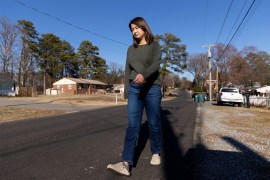
Eliza Brader worries she soon will need to prove she’s working to continue receiving Medicaid health coverage. She doesn’t think she should have to. The 27-year-old resident of Bloomington, Indiana, has a pacemaker and a painful joint disease. She also has fused vertebrae in her neck from a spinal injury, preventing her from turning her head. Indiana’s Medicaid agency currently considers Brader “medically frail,” giving her access to an expanded set of benefits, such as physical therapy. (Liss and Whitehead, 12/1)
KFF Health News:
New Work Requirement Adds Red Tape To Missouri’s Snarled Food Aid System
Distributing food stamps soon could get even harder for Missouri’s food aid system, which a federal judge has already called “broken and inaccessible.” States depend heavily on federal funds to operate their food stamp programs, which help feed about 42 million people nationwide. But a new federal law has restructured the nation’s food assistance, requiring more people to work to qualify for aid and shifting more of the program’s cost onto states over the next decade. Meanwhile, many Americans are struggling to afford groceries, and state governments are straining to help them. (Liss, 12/1)
KFF Health News:
Watch: Trump Considers Extending Obamacare Subsidies
Amanda Seitz, KFF Health News’ Washington health policy reporter, appeared on NewsNation’s NewsNation Live With Connell McShane on Nov. 24 to discuss President Donald Trump’s latest health proposal. Seitz noted that the plan — which has not been formally unveiled — could extend the expiring, more generous subsidies that help many Americans pay their share of Affordable Care Act premiums. But that extension would likely impose limitations sought by Republicans, including changes to eligibility for the enhanced assistance, she said. (Seitz, 12/1)
FDA
The New York Times:
F.D.A. Withdraws Rule To Require Testing Cosmetics Made With Talc For Asbestos
The Food and Drug Administration has withdrawn a proposed rule that would have required makeup manufacturers to test talcum powder and cosmetics made with talc for traces of asbestos, a highly carcinogenic contaminant. The unexpected move was a blow to public health advocates who have worked for decades to curb or eliminate asbestos, which can be found in talc and causes deadly cancers like mesothelioma and lung and ovarian cancer, and for which there is no safe level of exposure. (Caryn Rabin, 11/26)
AP:
The Hemp Industry Is Scrambling To Save Itself Before A Federal Ban On THC Products Takes Effect
The production lines at Indeed Brewing moved quickly, the cans filling not with beer, but with THC-infused seltzer. The product, which features the compound that gets cannabis users high, has been a lifeline at Indeed and other craft breweries as alcohol sales have fallen in recent years. But that boom looks set to come to a crashing halt. Buried in the bill that ended the federal government shutdown this month was a provision to ban those drinks, along with other impairing beverages and snacks made from hemp, which have proliferated across the country in recent years. (Karnowski and Johnson, 11/28)
AP:
New FDA-Approved Glasses Can Slow Nearsightedness In Kids
For many children, the experience of getting their first pair of glasses is an inevitable milestone, the first in a lifetime of visits to the eye doctor. But what if those lenses could actually help preserve the child’s vision and reduce the chances for more serious eye problems in adulthood? That’s the promise of a new type of lens approved by the Food and Drug Administration in September. While the technology has previously been available in Europe, Asia and other parts of the world, it’s now rolling out in the U.S. (Perrone, 12/1)
MORE ON THE TRUMP ADMINISTRATION
AP:
Trump Says He'll Release MRI Results
President Donald Trump said Sunday that he would release the results of his MRI test that he received in October. “If you want to have it released, I’ll release it,” the president said during an exchange with reporters as he traveled back to Washington from Florida. He said the results of the MRI were “perfect.” The White House has so far declined to detail why Trump had an MRI during his physical last month, or on what part of his body. (11/30)
ProPublica and FRONTLINE:
Trump’s Immigration Forces Deploy 'Less Lethal' Weapons In Dangerous Ways, Skirting Rules And Maiming Protesters
Civil rights and weapons experts cite the consequences of federal agents’ use of crowd control weapons: religious leaders shot with pepper balls and noxious chemicals. A nurse nearly blinded by tear gas. Protestors trapped, struggling to breathe. (Thompson and McSwane, 11/25)
CIDRAP:
Petition Calls For EPA To Ban Use Of Medically Important Antimicrobials In Pesticides
A coalition of public health, conservation, and farmworker advocacy groups this week filed a petition urging the Environmental Protection Agency (EPA) to ban use of pesticides that can promote resistance to medically important antibiotics and antifungals. The petition, filed by the Center for Biological Diversity on behalf of nine other groups, calls for the EPA to ban pesticides containing oxytetracycline and streptomycin, the two most commonly used antibiotics in pesticides. (Dall, 11/26)
AP:
Long-Awaited $3.6B In Heating Assistance Released To States And Tribes
Approximately $3.6 billion in delayed funding for the Low Income Home Energy Assistance Program, or LIHEAP, was released Friday to states and tribes, according to the National Energy Assistance Directors Association. The federal funding for LIHEAP, which helps millions of low-income households pay to heat and cool their homes, has been held up during the beginning of the cold-weather season because of the federal government shutdown, which ended Nov. 12. (Haigh, 11/28)
HEALTH CARE COSTS AND COVERAGE
Politico:
Congress Waits On Trump As December Health Sprint Begins
Congress returns to session Monday and kicks off a December sprint to address expiring Affordable Care Act subsidies and prevent health insurance premium hikes for millions of Americans. Members of both parties acknowledge success hangs on one question: Will President Donald Trump ever figure out what he wants? (Carney, 12/1)
The Hill:
Amy Klobuchar Foresees Senate Vote On ACA Health Subsidies Before 2026
Sen. Amy Klobuchar (D-Minn.) predicted Sunday that the Senate will hold a vote on extending subsidies offered under the Affordable Care Act (ACA) this year. “That vote will happen. And whether it will pass is in the hands of Donald Trump and the Republicans,” Klobuchar told host Dana Bash on CNN’s “State of the Union.” (Rego, 11/30)
The Hill:
GOP Strategist Rove Stresses Need For Health Care Agenda
GOP strategist Karl Rove said Republicans need to have a health care agenda ahead of the midterm elections or they’ll be in “deep trouble” with their voters. In an interview Saturday on Fox News’s “Journal Editorial Report,” Rove said Republicans need to have a health care plan to share with voters next year, along with a clear economic message that addresses constituents’ concerns. (Fortinsky, 11/30)
The Hill:
Donald Trump Claims He Is 'The Affordability President' Ahead Of 2026 Midterms
President Trump on Saturday touted that drug prices have fallen under his administration, signaling that it will be a winning issue for Republicans in the 2026 midterm elections. “Because I have invoked FAVORED NATIONS STATUS FOR THE UNITED STATES OF AMERICA, DRUG PRICES ARE FALLING AT LEVELS NEVER SEEN BEFORE, 500%, 600%, 700%, and more,” Trump wrote in a post on Truth Social. (Mancini, 11/29)
Politico:
Americans Are Buckling Under Medical Bills. It Could Get Worse
Charities that help people cover their medical bills say they’re seeing an alarming increase in requests for help. Worse yet, they say, it’s coming even before cuts to Medicaid in President Donald Trump’s One Big Beautiful Bill Act take effect and the potential expiration of Obamacare subsidies at year’s end. The charities are warning of exploding medical debt and lower survival rates for diseases like cancer if Congress doesn’t act. (Chu, 11/27)
MEDICARE
Stat:
New Medicare Advantage Proposal Would Create $13B Windfall For Insurers
Medicare Advantage insurers scored a Thanksgiving gift, as President Trump’s Medicare agency added back a bonus system that rewards health plans with consistently high marks. (Herman, 11/28)
Modern Healthcare:
CMS Is Ending Medicare's Inpatient-Only List. Here's What To Know
A new Medicare policy on complex surgical procedures could drive a deluge of patients to outpatient facilities. But while some view the change as a win for beneficiaries and taxpayers, others see clinical risks. The Centers for Medicare and Medicaid Services will phase out the Medicare Inpatient-Only List over the next three years under the Hospital Outpatient Prospective Payment System final rule for 2026, which it published Friday. (Early, 11/26)
RURAL HEALTH
North Carolina Health News:
NC Pitches $1 Billion Plan To Overhaul Rural Health System
North Carolina is seeking $1 billion from the federal government for a wide-ranging plan that could reshape rural health care across the state. (Baxley, 12/1)
The Baltimore Sun:
Garrett Medical: The Rural Hospital Doing A Bold Thing
Rural hospitals nationwide have been evaluating the future since the One Big, Beautiful Bill became law in July. Changes to Medicaid that will impact their revenue have led some medical facilities to cancel planned programs or projects, seeking savings before the changes take effect in 2027. Garrett Regional Medical Center is doing the opposite, hoping to expand its services despite the current health care landscape uncertainty. (Mause, 11/30)
CNN:
How Life Changed In A Rural Town That Lost Its Clinic After Trump’s Megabill, Even If The Politics Haven’t
As the final hues of autumn linger in the Blue Ridge Mountains, the 200-person community of Churchville, Virginia, is grappling with the loss of its health clinic. Gone are the days of seniors walking down the road from their house to see the town doctor. (McKend, 11/30)
HEALTH CARE INDUSTRY
AP:
Luigi Mangione's Defense Seeks To Block Evidence From Trial Over UnitedHealthcare CEO's Killing
As the first anniversary of UnitedHealthcare CEO Brian Thompson’s killing looms this week, the man charged in his death will be in court fighting to prevent prosecutors from using evidence they say links him to the crime. Luigi Mangione, 27, is set for hearings starting Monday on his bid to block the Manhattan District Attorney’s Office from showing or telling jurors about items seized during his arrest at a yet-unscheduled state murder trial. (Sisak, 12/1)
North Carolina Health News and Charlotte Ledger:
Atrium/ Advocate Health CEO Sees 49% Salary Increase In 2024
Advocate Health CEO Gene Woods’ compensation surged to $25.8 million in 2024, a 49 percent jump from the $17.3 million he earned the previous year, according to a recent tax filing. (Crouch, 11/28)
MENTAL HEALTH
The New York Times:
Having A Cellphone At Younger Than 12 Could Carry Health Risks, Study Says
Researchers found higher rates of depression, poor sleep and obesity among tweens who had early access to a cellphone. (Pearson, 12/1)
Bloomberg:
Australia's World-First Social Media Ban For Under-16s Set To Start
Australia will soon ban its youth from popular services like TikTok and Instagram, becoming the world’s first democracy to carry out such a crackdown in response to growing concerns about social media’s harms. It’s likely to be the first of many. ... The measures are spurring an increasing number of governments to seek to hold social media firms to account for toxic content and cyberbullying. (Purnell, Whitley and Wass, 11/30)
Stat:
First-Generation Mental Health Apps Look To Add Next-Gen AI Chatbots
Digital mental health companies raised record-breaking capital during the coronavirus pandemic, offering therapy and medication to people desperate for help during lockdown. Now, some of the largest providers in that space, including Talkspace and Lyra Health, face a new challenge: integrating generative AI chatbots into their clinical portfolios. (Broderick, 12/1)
NBC News:
Doctors Seek To Understand Why Quitting Antidepressants Causes Withdrawal For Some
In a recent large analysis published in The Lancet in November, researchers at King’s College London found that physical side effects, including quick weight gain, significantly increased heart rate or elevated blood pressure, may be more common than once thought, depending on the drug. The review analyzed results from 151 clinical trials and 17 reports from the Food and Drug Administration, involving about 30 different prescription drugs used to treat depression, anxiety, and bipolar and panic disorders. (Cox, 11/30)
CIDRAP:
COVID Patients Have Higher Rates Of Depression, Anxiety, Headache, And Fatigue Before Diagnosis, Study Suggests
A large, case-control study from Sweden finds that people with long COVID have higher rates of depression, anxiety, fatigue, and headache both before and after diagnosis. The findings, published last week in BMC Medicine, draw on medical records from more than 53,000 adults and suggest a link between long COVID and preexisting conditions. (Bergeson, 11/26)
AGING
The New York Times:
A Different Type Of Dementia Is Changing What’s Known About Cognitive Decline
A recently recognized form of dementia is changing the understanding of cognitive decline, improving the ability to diagnose patients and underscoring the need for a wider array of treatments. Patients are increasingly being diagnosed with the condition, known as LATE, and guidelines advising doctors how to identify it were published this year. LATE is now estimated to affect about a third of people 85 and older and 10 percent of those 65 and older, according to those guidelines. Some patients who have been told they have Alzheimer’s may actually have LATE, dementia experts say. (Belluck, 11/28)
The (Cleveland) Plain Dealer:
UH-VA Study: Exercise May Create New Brain Pathways In Parkinson’s Patients
Could pedaling a bike rewire the brain of someone with Parkinson’s disease, easing the tremors and muscle stiffness caused by the neurological condition? Past research studies suggested that exercise causes animal and human brains to forge new neurological connections. A local study jointly conducted by University Hospitals and the VA Northeast Ohio Healthcare System wanted to find out if the same was true for Parkinson’s patients. (Washington, 12/1)
NPR:
Living To 100: Surprising Longevity Secrets From Centenarians
A new survey of centenarians finds people who make it to 100 are not letting the grass grow under their feet. Many have taken up habits that younger people may find surprising. According to a survey of 100 centenarians from UnitedHealthcare, nearly half do some form of strength training at least once a week to keep muscles strong, 36% participate in stress relief activities such as meditation, 67% say they eat a healthy diet, and 42% report walking or hiking on a regular basis. About 30% say they still like to work in their garden. (Aubrey, 12/1)
LIFESTYLE AND HEALTH
MedPage Today:
Study Finds New Risk Factor For Pancreatic Cancer
Mild dilatation of the main pancreatic duct, even without an obvious mass, is a risk factor for pancreatic cancer in high-risk individuals, according to data from a prospective cohort study. (Fuerst, 11/28)
The Hill:
Cumin Seeds Could Help Lower Cholesterol, Aid In Weight Loss, Study Finds
A flavorful spice used in many dishes and even medicine has also shown promising results in other areas of health. Researchers at Osaka Metropolitan University led a clinical trial with 22 adults who had five grams of black cumin seed powder each day for eight weeks, and they showed a decrease in bad cholesterol and an increase in good cholesterol, showing the same outcomes as cholesterol-lowering medications. The 20 adults in the control group with no cumin showed no changes in cholesterol. (Perkins, 11/29)
The Washington Post:
Ozempic Is Changing How We Spend Money And Time, Plus What We Eat
As people’s bodies change due to GLP-1s, so does their spending across industries including fashion, restaurants, gyms and travel. (Peiser, 12/1)
STATE WATCH
The New York Times:
James Riches, Fire Chief Who Lost Firefighter Son On 9/11, Dies At 74
James J. Riches, a retired deputy chief for the New York City Fire Department who spent months in the wreckage of the World Trade Center searching for the remains of his firefighter son and others who were killed in the Sept. 11, 2001, attacks, died on Thursday at his home in Brooklyn. He was 74. The death was confirmed by Thomas Riches, his youngest son, who attributed it to exposure to toxic dust at ground zero. “He had a long list of World Trade Center ailments from his time down there,” he said in a phone interview, “and it finally took its last toll on him.” (Rosenberg, 11/30)