Latest KFF Health News Stories

IOM: Teamwork Key To Reducing Medical Diagnostic Errors
A report by an Institute of Medicine blue ribbon panel notes that taking steps to address this patient safety issue will involve efforts from across the health system.
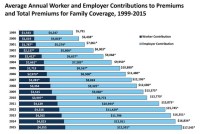
Employers Shift More Health Costs To Workers, Survey Finds
Even as premiums for employer-based insurance increased only moderately this year, deductibles rose faster than total spending.

From Pills To Pins: Oregon Is Changing How It Deals With Back Pain
Alternative therapies aren’t proven to work any better than drugs — and they may even cost more. But Oregon hopes paying for them will reduce costs of hospitalizing for, and treatment of, opioid abuse.

Under Pressure, Hospitals Push Physicians To Improve Their Bedside Manners
Motivated by financial incentives and consumer demands, medical centers are creating programs to infuse more compassion and understanding into the doctor-patient relationship.

New Heart Failure Treatments Would Drive Up Short-Term Health Spending, Report Says
In an analysis, the Institute for Clinical and Economic Review concluded that price cuts are needed to control the budgetary impact.

New Hope Beats For Heart Patients And Hospitals
The number of heart valve surgeries has risen more than 50 percent since 2012, demonstrating the hospital industry’s record of finding new ways to fill beds and increase revenue even as advances in health and technology shrink demand for inpatient care. Still, patient risk and cost concerns persist.
Medical Schools Teach Students To Talk With Patients About Care Costs
Doctors and patients haven’t discussed the cost of medical care. But that conversation is becoming vital, and medical schools are trying to teach their students how to think – and talk – about cost.

A Third Of Ga. Pediatricians Join Together To Form Network To Improve Care
The new physician-led network will allow pediatricians to improve care for Georgia children by sharing best practice standards and expand their billing options for insurance, advocates say.

Rest Assured, Surgeons’ Late-Night Work Doesn’t Cause Patients Harm, Study Says
Findings from Canada challenge earlier research on sleep deprivation’s effects on physicians.

Why Your Doctor Won’t Friend You On Facebook
Facebook is a part of everyday life – both professionally and personally – and doctors and patients are wondering how it best works between them.

Can Health Care Be Cured Of Racial Bias?
Even as the health of Americans has improved, the disparities in treatment and outcomes between white patients and black and Latino patients are almost as big as they were 50 years ago. A growing body of research suggests that doctors’ unconscious behavior plays a role in these statistics.

The Hospital Is In Network, But Not The Doctor: N.Y. Tries New Balance Billing Law
Consumers in New York are getting new protections against “balance billing,” where insurers bill patients for the difference between what insurers pay and what providers want, and states considering similar laws are watching closely.

For Hospitals, Sleep And Patient Satisfaction May Go Hand In Hand
As hospitals try to improve their consumer ratings, many are revisiting nighttime policies to help patients maximize their chances to get some rest.

How Much Is That Eye Exam? Study Probes The Elusive Quest For Health Care Prices
A study done in Massachusetts highlights the difficulties consumers face in trying to find out how much health care services cost.

Large Employers Look To Tighten Control Of Costs For Expensive Drugs
Spending for high-priced specialty drugs for diseases such as cancer, HIV and hepatitis C is expected to rise dramatically next year, and large companies hope to put controls in place to help keep their costs down, according to a new survey.

To Address Doctor Shortages, Some States Focus on Residencies
Some states are spending millions of dollars to train medical students, only to see them leave because of a shortage of residency positions.

Study Casts Doubt On Assumptions About Hospital ‘Frequent Fliers’
New research finds that patients who repeatedly use costly hospital and emergency room services, known often as super-utilizers or frequent fliers, generally don’t seek such intense care for a lifetime but instead for a short period of time.

Pain Patients Say They Can’t Get Medicine After Crackdown On Illegal Rx Drug Trade
People who suffer from intense maladies and injuries say they can no longer get all the pain medicine their doctors prescribe from pharmacies.

Lack Of Cooperation Among Health Facilities Mars Antibiotic Resistance Fight, CDC Says
Infected patients often move from hospitals to nursing homes and long-term care facilities, and coordination could help keep those infections from spreading.

Hospital Deductibles Are For Admitted Patients Only
KHN consumer columnist Michelle Andrews also answers reader questions about how insurance-provider networks function and parents’ responsibility to provide coverage for children who are not yet 26.