Latest KFF Health News Stories

A Bygone Era: When Bipartisanship Led To Health Care Transformation
A federal law enacted shortly after the end of World War II provided grants and loans to fund hospital construction that have left a lasting legacy.

Most Hospital Palliative Care Programs Are Understaffed
Guidelines recommend that hospitals have a physician, an advanced practice or registered nurse, a social worker and chaplain on the palliative care team, but only about 25 percent of hospitals meet that standard.

A Golden Ticket That Fast-Tracks A Drug Through The FDA
A voucher awarded to companies that find treatments for rare childhood diseases can be sold to the highest bidder — and then used to speed up approvals for much more common drugs.
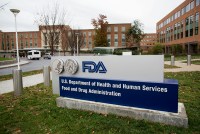
When Drug Reviewers Leave The FDA, They Often Work For Pharma
Researchers examine the Food and Drug Administration’s “revolving door” regarding employees who worked on cancer and hematology drugs.

CDC Deploys New Rapid Response Teams To Fight Zika
Based on lessons learned in the 2014 Ebola outbreak, the federal agency has designated teams to help identify patients and health care workers who have been exposed to the virus.

Insurers May Insist On Counseling Before Genetic Tests For Breast Cancer
Doctors are concerned that requiring referrals to genetic counselors can deter women from going forward with testing for genetic mutations that cause breast cancer.

Attending To The ‘Human Element’ Is Key To Keeping Patients Healthy
Research to be published in full this fall details how medicine’s “implicit bias” — whether real or perceived — undermines the doctor-patient relationship and the well-being of racial and ethnic minorities as well as lower-income patients.

What Happens When A Living Kidney Donor Needs A Transplant?
A new study examines how well efforts are working that prioritize the needs of these patients if they end up needing a kidney transplant of their own.

Mylan’s Generic EpiPen — A Price Break Or Marketing Maneuver?
As news that Mylan will make available a generic version of its own brand-name product, KHN answers key questions about how this development could affect consumers.

Patients, Fearing Pricey Follow-Ups, May Shy Away From Some Colon Cancer Tests
Most screening tests for colon cancer are covered by insurance but if they come back positive, they may require a diagnostic colonoscopy and that may not be covered completely by insurance.

Obamacare Marketplace Shakeout Rocks Arizona, Southeast
Fewer choices in 2017 health care plans await consumers in dozens of markets where Aetna, UnitedHealthcare and Humana are pulling out, but withdrawals may hit Arizona, the Carolinas, Georgia and parts of Florida hardest.

Medical Providers Try Uber, Lyft For Patients With Few Transportation Options
Some hospitals and other medical providers are experimenting with ride-hailing services to help patients without access to cars get to their appointments.

1965: The Year That Brought Civil Rights To The Nation’s Hospitals
A conversation with author David Barton Smith examines how civil rights activists working at the Social Security Administration and the Public Health Service in the 1960s used the new Medicare law to end racial discrimination at hospitals.

Opioid Dependence Leads To ‘Tsunami’ Of Medical Services, Study Finds
Insurance claims for medical services related to opioid dependence diagnoses rose more than 3,000 percent between 2007 and 2014, an analysis finds.

Study: 30 Percent Of Children’s Readmissions To Hospitals May Be Preventable
In more than three-quarters of the cases that researchers said might have been preventable, factors at the hospital contributed to the child’s return, according to the researchers.

Surgeon Says Apps May Turn Organ Donation Support Into ‘Concrete Action’
Dr. Thomas Fishbein of the Medstar Georgetown Transplant Institute is optimistic that efforts by hospitals like his, advocacy groups and app makers, such as Tinder, will increase the number of organ donors.

For Surgeons, Talking About Adverse Events Can Be Difficult: Study
Research suggests surgeons might be better off if they learn to quickly and directly explain what went wrong to the patient.

Sometimes Tiny Is Just The Right Size: ‘Microhospitals’ Filling Some ER Needs
These facilities are full-service hospitals and offer a full array of emergency services but may have only a handful of beds for admitted patients.

Heart Failure Patients Warned About The Dangers Of Mixing Prescriptions
The American Heart Association issues a statement to guide heart failure patients and doctors about the effects that drugs for other conditions can have on the heart.

Study Finds Doctors Quick To Change Practice For Breast Cancer Patients
Despite the usual view that physicians are slow to alter their routines based on new scientific evidence, researchers found that breast cancer surgeons quickly adopted advice to not remove lymph nodes after a landmark clinical trial in 2011.