Could Better Inhalers Help Patients, and the Planet?
Puff inhalers can be lifesavers for people with asthma and other respiratory diseases, but some types release potent greenhouse gases that contribute to climate change. That, in turn, worsens wildfires, contributes to air pollution, and intensifies allergy seasons — which can increase the need for inhalers. Some doctors are helping patients switch to more eco-sensitive inhalers.
Sign Here? Financial Agreements May Leave Doctors in the Driver’s Seat
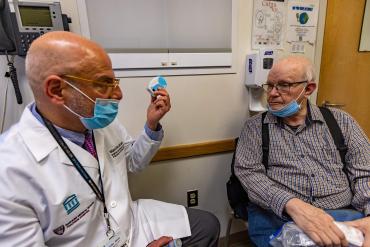
Agreeing to an out-of-network doctor’s own financial policy — which generally protects their ability to get paid and may be littered with confusing insurance and legal jargon — can create a binding contract that leaves a patient owing.
Unsheltered People Are Losing Medicaid in Redetermination Mix-Ups
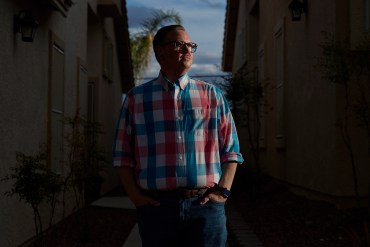
Some of the nearly 130,000 Montanans who have lost Medicaid coverage as the state reevaluates eligibility are homeless. That’s in part because Montana kicked more than 80,000 people off the program for technical reasons rather than income ineligibility. For unhoused people who were disenrolled, getting back on Medicaid can be extraordinarily difficult.

He Thinks His Wife Died in an Understaffed Hospital. Now He’s Trying to Change the Industry.
Nurses are telling lawmakers that there are not enough of them working in hospitals and that it risks patients’ lives. California and Oregon legally limit the number of patients under a nurse’s care. Other states trying to do the same were blocked by the hospital industry. Now patients’ relatives are joining the fight.
More Patients Are Losing Their Doctors — And Trust in the Primary Care System
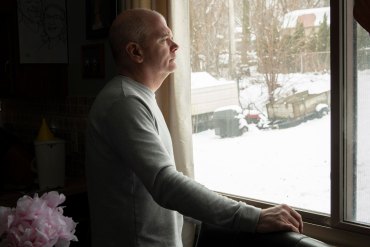
A shortage of primary care providers is driving more people to seek routine care in emergency settings. In Rhode Island, safety-net clinics are under pressure as clinicians retire or burn out, and patients say it’s harder to find care as they lose connections to familiar doctors.
California Is Expanding Insurance Access for Teenagers Seeking Therapy on Their Own
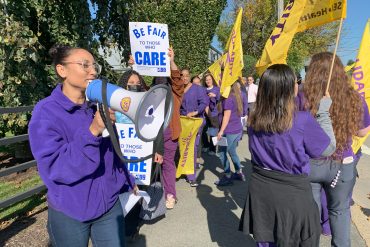
A California law that takes effect this summer will grant minors on public insurance the ability to get mental health treatment without their parents’ consent, a privilege that their peers with private insurance have had for years. But the law has become a flashpoint in the state’s culture wars.

Needle Pain Is a Big Problem for Kids. One California Doctor Has a Plan.
The pain and trauma from repeated needle sticks leads some kids to hold on to needle phobia into adulthood. Research shows the biggest source of pain for children in the health care system is needles. But one doctor thinks he has a solution and is putting it into practice at two children’s hospitals in Northern California.

Statistical Models vs. Front-Line Workers: Who Knows Best How to Spend Opioid Settlement Cash?
A mathematical model designed to direct spending of opioid settlement funds is at the center of a debate over whether to invest in technology to guide long-term decisions or focus on the immediate needs of people in addiction.

Cities Know That the Way Police Respond to Mental Crisis Calls Must Change. But How?
Cities are experimenting with new ways to meet the rapidly increasing demand for behavioral health crisis intervention, at a time when incidents of police shooting and killing people in mental health crisis have become painfully familiar.

Listen to ‘Tradeoffs’: How the Loss of a Rural Hospital Compounds the Collapse of Care
Six years ago, the hospital in Fort Scott, Kansas, shuttered, leaving residents in the small community without a cornerstone health care institution. In the years since, despite new programs meant to save small hospitals, dozens of other communities have watched theirs close.
Listen to the Latest ‘KFF Health News Minute’
“Health Minute” brings original health care and health policy reporting from the KFF Health News newsroom to the airwaves each week.

When a Quick Telehealth Visit Yields Multiple Surprises Beyond a Big Bill
For the patient, it was a quick and inexpensive virtual appointment. Why it cost 10 times what she expected became a mystery.

Listen: What Our 2-Year-Long Investigation Into Medical Debt Reveals
An award-winning project by KFF Health News and NPR found that at least 100 million people in the United States are saddled with medical bills they cannot pay — and exposed a health care system that systematically pushes people into debt.

Storing Guns Away From Home Could Reduce Suicides, but Legal Hurdles Loom
Safe storage maps show gun owners where to put their firearms for safekeeping if they experience a mental health crisis. The idea has support among some gun enthusiasts, but legal obstacles threaten wider adoption.

Listen: Inroads for Women in California’s Health Care Workforce
KFF Health News senior correspondent Angela Hart leads a discussion about the role women play as California grapples with a shortage of health care providers.
Abortion Bans Fuel a Rise in High-Risk Patients Heading to Illinois Hospitals
High-risk patients from states that heavily restrict abortion are coming to hospitals in states such as Illinois that protect abortion rights. The journey can mean more medical risks and higher bills.

As Many American Cities Get Hotter, Health Systems Face Off Against Heatstroke
With millions of Americans suffering under relentless heat waves this summer, more people are seeking medical attention for heat-related illnesses. As temperatures get more extreme, hospitals, fire departments, and ambulance crews are preparing to treat more patients for heat exhaustion and heatstroke.
What Does a Chatbot Know About Eating Disorders? Users of a Help Line Are About to Find Out
The National Eating Disorders Association’s help line has seen demand climb to unsustainable levels since the beginning of the covid pandemic, with more people reporting severe mental health problems, the nonprofit says. But staffers worry this chatbot may make things worse.

A Trans Teen No Longer Feels Welcome in Florida. So She Left.
Josie sensed Florida lawmakers were threatening her health care and ability to be herself at school. So she left. Families of other trans youth are plotting exits as well.
State Lawmakers Eye Forced Treatment to Address Overlap in Homelessness and Mental Illness
Democratic politicians in California and Oregon are reconsidering the restrictions of involuntary commitment laws. They argue that not helping people who are seriously ill and living in squalor on the streets is inhumane.