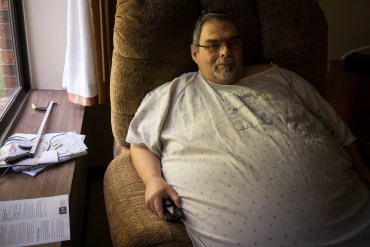
How Optimism Can Close the Medicaid Coverage Gap
Low-income residents in states that haven’t expanded Medicaid are in a tough spot: They don’t qualify for the subsidies that people with slightly higher incomes get to buy marketplace plans because of a glitch in the federal health law. But a court decision last year makes it easier for them to make good-faith estimates of a pay increase, and there is no financial penalty if they don’t hit that figure.
Medicare Plan Finder Likely Won’t Note New $35 Cap on Out-of-Pocket Insulin Costs
In August, Congress approved a $35 cap on what seniors will pay for insulin, but that change came too late to add to the online tool that helps Medicare beneficiaries compare dozens of drug and medical plans. Federal officials say beneficiaries who use insulin will have the opportunity to switch plans after open enrollment ends Dec. 7.

Private equity firms have shelled out almost $1 trillion to acquire nearly 8,000 health care businesses, in deals almost always hidden from federal regulators. The result: higher prices, lawsuits, and complaints about care.
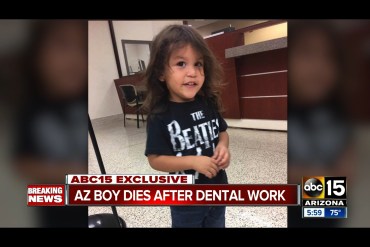
Homelessness Among Older People Is on the Rise, Driven by Inflation and the Housing Crunch
In Montana and across the nation, homeless shelters are reporting that people older than 60 are a growing proportion of their populations.
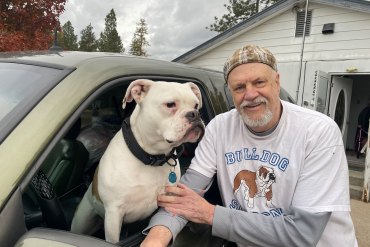
Stopping the Churn: Why Some States Want to Guarantee Medicaid Coverage From Birth to Age 6
Oregon has become the first state to allow kids to stay in the government health care program from birth to age 6, no matter if their household income changes. California, Washington, and New Mexico are pursuing similar policies.

Abortion Issue Helps Limit Democrats’ Losses in Midterms
Although control of Congress was still undecided Wednesday, Republicans seemed poised to take power in the House, while the fate of the Senate remained too close to call. Economic issues were at the top of voters’ minds, but abortion access also played a large role in their decisions.
Hospital Giant HCA Fends Off Accusations of Questionable Inpatient Admissions
The nation’s largest private health system, HCA Healthcare, has faced years of scrutiny over its share of emergency room patients who are admitted to the hospital. And now U.S. Rep. Bill Pascrell, a Democrat from New Jersey, is calling for a federal investigation, prompting an escalating defense by the hospital system, based in Nashville, Tennessee.
Centene Showers Politicians With Millions as It Courts Contracts and Settles Overbilling Allegations
Centene, the largest Medicaid managed-care company in the U.S., has thrown more than $26.9 million at political campaigns across the country since 2015, especially focused on states where it is wooing Medicaid contracts and settling accusations that it overbilled taxpayers. Among its tactics: Centene is skirting contribution limits by giving to candidates through its many subsidiaries.

Colorado Voters to Decide Whether All Schoolkids Get a Free Lunch
In September, a popular pandemic benefit expired: free school lunch for all children attending public schools. Some states are stepping up to try to keep the free food available, and it is on the ballot next week in Colorado.
Cash for Colonoscopies: Colorado Tries to Lower Health Costs Through Incentives
State employees could receive checks ranging from $50 to thousands of dollars if they choose the right provider.

When Monkeypox Reaches Rural Communities, It Collides With Strained Public Health Systems
In Nevada, local health officials are assessing the threat of monkeypox, but their response may be hampered by historically limited public health infrastructure worn thin by the covid-19 pandemic.

Montana Backs Away From Innovative Hospital Payment Model. Other States Are Watching.
Montana has been a national model for how employers could gain control and transparency over medical bills. Upcoming changes to its model have health care price experts wondering whether the state is making improvements or losing focus.
States Opting Out of a Federal Program That Tracks Teen Behavior as Youth Mental Health Worsens
Colorado, Florida, and Idaho are the latest states to opt out of a survey that tracks concerning behaviors in high school students. Officials cite low participation and state laws that require parental permission. But some advocates say dwindling state participation is an “enormous loss” that will make it harder to track signs of poor mental health — like drug and alcohol misuse and suicidal ideation — among teens.

5 Things to Know About Montana’s ‘Born Alive’ Ballot Initiative
A ballot measure that seeks to protect infants following failed abortions would impose stiff penalties on health care providers in Montana.
Say What? Hearing Aids Available Over-the-Counter for as Low as $199, and Without a Prescription
The cheaper over-the-counter aids are for adults with mild to moderate hearing loss — a market of tens of millions of people, many of whom have until now been priced out because prescription devices can cost thousands of dollars.

5 Things to Know About Colorado’s Psychedelics Ballot Initiative
The good, the bad, and the unknown about the Centennial State’s proposal to decriminalize and regulate magic mushrooms and plant-based psychedelics.

Baby, That Bill Is High: Private Equity ‘Gambit’ Squeezes Excessive ER Charges From Routine Births
Hospitals, boosted by private equity-backed staffing companies, have embraced a new idea: the obstetrics emergency department. Often, it is just a triage room in the labor-and-delivery area, but it bills like the main emergency department.
Climate Change Magnifies Health Impacts of Wildfire Smoke in Care Deserts
Smoke- and ash-filled air can trigger or exacerbate severe respiratory conditions. But the medical specialists who treat these illnesses are often scarce where they are most in need.
If You’re Worried About the Environment, Consider Being Composted When You Die
The idea of human composting — to help restore a forest or grow flowers — may be a little off-putting to some, but it has many advantages over traditional-but-toxic methods of burial and cremation.

Mental Health Crisis Teams Aren’t Just for Cities Anymore
In many cities, social workers and counselors are responding to mental health emergencies that used to be solely handled by police. That approach is spreading to rural areas even though mental health professionals are scarcer and travel distances are longer.