Latest KFF Health News Stories
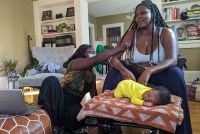
Black Women Turn to Midwives to Avoid COVID and ‘Feel Cared For’
Midwifery was a tradition among slaves from Africa, but in more recent decades, pregnant Black women have generally shunned the approach. Now, home births and midwives are making a comeback in the Black community.
Lack of Antigen Test Reporting Leaves Country ‘Blind to the Pandemic’
A KHN review found more than 20 states either don’t count or have incomplete data on the use of COVID-19 antigen tests, leaving the public in the dark about the true scope of the pandemic.

Tough to Tell COVID From Smoke Inhalation Symptoms — And Flu Season’s Coming
Respiratory symptoms stemming from coronavirus infection and smoke inhalation are too similar to distinguish without a full workup. This is complicating the jobs of health care workers as wildfires rage up and down the West Coast.
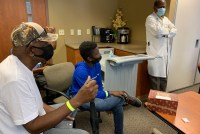
COVID Vaccine Trials Move at Warp Speed, But Recruiting Black Volunteers Takes Time
The National Institutes of Health has suggested minorities should be overrepresented in COVID-19 vaccine trials — perhaps at rates that are double their percentage of the U.S. population. But efforts to recruit patients from racial minority groups are just beginning, while some trials have already advanced to phase 3.
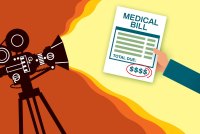
Lights, Camera, No Action: Insurance Woes Beset Entertainment Industry Workers
Many actors, directors, backstage workers and others in the entertainment industry are often eligible for health coverage through their unions, a model that some experts promote for other gig workers. But coverage is determined by past employment, and many of these professionals aren’t working because of the coronavirus.
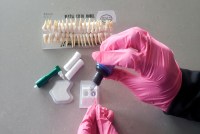
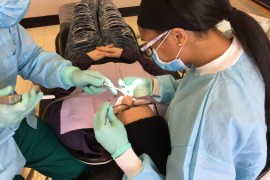
New Dental Treatment Helps Fill Cavities and Insurance Gaps for Seniors
A new treatment for tooth decay is cheaper, quicker and less painful than getting a filling. Originally touted as a solution for kids, silver diamine fluoride is poised to become a game changer for treating cavities in older adults or those with disabilities that make oral care difficult.

NIH ‘Very Concerned’ About Serious Side Effect in Coronavirus Vaccine Trial
The AstraZeneca trial is on hold in the U.S. as scientists try to unravel whether a rare neurological condition is linked to the vaccine. But regulators are frustrated by a lack of information from the drugmaker.

‘It Seems Systematic’: Doctors Cite 115 Cases of Head Injuries From Crowd Control Devices
In the most comprehensive tally of such injuries to date, the Physicians for Human Rights scoured publicly available data — including social media, news accounts and lawsuits — to document and name victims of summer protests. Still, the group cautions, it’s likely an undercount.

With No Legal Guardrails for Patients, Ambulances Drive Surprise Medical Billing
Studies show that at least half of ground ambulance rides across the nation leave patients with “surprise” medical bills. And a $300-a-mile ride is not unusual. Yet federal legislation to stem what’s known as balance billing has largely ignored ambulance costs.

Making Gyms Safer: Why the Virus Is Less Likely to Spread There Than in a Bar
Gyms are reopening with fewer people and more protocols, and they want to rehabilitate their pandemic-battered image. Although there’s not much evidence, they say science is on their side.
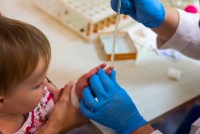
Kids Are Missing Critical Windows for Lead Testing Due to Pandemic
Inspections for lead hazards and blood testing for lead have dropped significantly just as kids are spending more time in the places where their exposure to the poisonous metal is highest: their homes.
KHN’s ‘What the Health?’: The Politics of Science
Republicans have all but abandoned the Affordable Care Act as a campaign cudgel, judging from their national convention, at least. Meanwhile, career scientists at the federal government’s preeminent health agencies — the Food and Drug Administration, the Centers for Disease Control and Prevention and the National Institutes of Health — are all coming under increasing political pressure as the pandemic drags on. Joanne Kenen of Politico, Mary Ellen McIntire of CQ Roll Call and Sarah Karlin-Smith of the Pink Sheet join KHN’s Julie Rovner to discuss this and more. Plus, Rovner interviews KHN’s Elizabeth Lawrence about the latest KHN-NPR “Bill of the Month” installment.
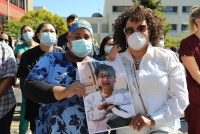
Hospitals, Nursing Homes Fail to Separate COVID Patients, Putting Others at Risk
COVID patients have been commingled with uninfected patients in California, Florida, New Jersey, Iowa, Ohio, Maryland, New York and beyond. While officials have penalized nursing homes for such failures, hospitals have seen less scrutiny.

What Is the Risk of Catching the Coronavirus on a Plane?
Florida Gov. Ron DeSantis says airplanes are not vectors for the spread of COVID-19 and that flying is “something that is safe for people to do.” Is the evidence really so clear?
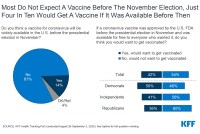
Most Adults Wary of Taking Any Vaccine Approved Before the Election
About 60% of poll respondents are worried that federal regulators will rush to allow a vaccine because of political pressure. Opposition to getting a vaccine that might be authorized before the November election is strongest among Republicans.
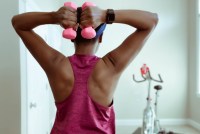
Exercise and Diet Are More Important Than Ever With Virus at Large
“The Quarantine 15” — weight gain due to inactivity during the pandemic — is a real phenomenon. Here are some ways to fight it.

Obamacare Co-Ops Down From 23 to Final ‘3 Little Miracles’
Once there were 23 of these nonprofit plans across 26 states; in January there will be only three, serving Maine, Wisconsin, Montana, Idaho and Wyoming.
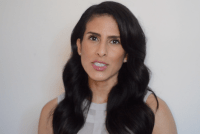
Behind The Byline: ‘At Least I Got the Shot’
Check out KHN’s video series — Behind the Byline: How the Story Got Made. Come along as journalists and producers offer an insider’s view of health care coverage that does not quit.

‘An Arm and a Leg’: She Tangled With Health Insurers for 25 Years — And Loved It
When people had a health insurance headache, these two words were a relief: “Call Barbara.” No problem was too big, or too small, she’d fix it.
With Schools Starting Online, Vaccinations Head for Recess
Traditionally, requirements that kids undergo certain immunizations before attending school have been a critical public health tool. Health officials are scrambling to make sure children don’t fall through the cracks.