Latest KFF Health News Stories

Lacking Votes, Calif. Assembly Shelves Aid-In-Dying Bill
Supporters said they will continue to work with Assembly members to build support for the bill, which would allow doctors to write lethal prescriptions for some terminally ill patients with less than six months to live.

Birth Control Coverage Saves Women Significant Money
The health law requires insurers to cover most prescription contraceptives with no additional out-of-pocket costs, which may spur some women to use more effective methods.
Calif. Advocates Hail Coverage Of Children In State Illegally, Seek Inclusion Of Adults
The budget deal announced by Gov. Jerry Brown last month grants Medicaid coverage to young Californian immigrants who are in the state without legal permission. Now comes the push for coverage of their parents and other adults.

‘A Terrible Way To End Someone’s Life’
Doctors often opt to forego aggressive care for terminal illnesses but fail to talk to their patients about their preferences.

LA Police Unit Works To Get Treatment For Mentally Ill Instead Of Jail Time
When officers in Los Angeles encounter people who may be mentally ill, they call in a specialized unit that offers help on the spot.

Study Finds Doctors Order Fewer Preventive Services For Medicaid Patients
Researchers report in the journal Health Affairs that doctors are less likely to include some preventive care services in appointments with women covered by Medicaid than in those with women who are privately insured.

After Court Victory, Obama Asks GOP To Work With Him To Improve Health Care
In a visit to Nashville, Tenn., the president calls for health law critics to drop their opposition and begin the work of improving the law and health care delivery.

Supreme Court Reprieve Lets 10 Texas Abortion Clinics Stay Open For Now
Abortion providers and foes react to the Supreme Court’s action that will allow 10 abortion clinics in Texas to remain open until a state law that would close them can be fully reviewed by the court.

Your Colonoscopy Is Covered, But Surprise! The Prep Kit May Not Be
KHN’s consumer columnist Michelle Andrews answers questions from readers about the coverage of bowel prep kits for a colonoscopy, how travel insurance handles pre-existing conditions and prenatal screening coverage for tobacco, drugs and alcohol.
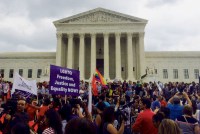
High Court’s Decision On Same Sex Marriage Expected To Boost Health Coverage Among Gay Couples
By marrying partners with employer health plans, people in same-sex relationships are more likely to gain coverage.

Advocates say the law has permitted homes to give anti-psychotic drugs, use restraints and withdraw treatment without allowing patients to object. But the industry warns the ruling will make it more challenging to provide routine care to such patients.

Study Finds Almost Half Of Health Law Plans Offer Very Limited Physician Networks
More than 40 percent of the plans included less than a quarter of the doctors in the area, University of Pennsylvania researchers found.
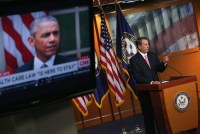
Obamacare’s Next 5 Hurdles to Clear
In its first five years, the Affordable Care Act has survived technical meltdowns, a presidential election, two Supreme Court challenges — including one resolved Thursday — and dozens of repeal efforts in Congress. But its long-term future still isn’t ensured. Here are five of the biggest hurdles left for the law.
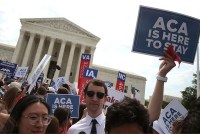
High Court Upholds Health Law Subsidies
The 6-3 ruling stopped a challenge that would have erased subsidies in at least 34 states for individuals and families buying insurance through the federal government’s online marketplace.

Why Did The Supreme Court Uphold The Health Law’s Subsidies?
The Supreme Court Thursday upheld a key part of the 2010 health law – tax subsidies for people who buy health insurance on marketplaces run by the federal government. KHN’s Mary Agnes Carey discusses the decision with Stuart Taylor Jr., of the Brookings Institution, and KHN’s Julie Appleby.
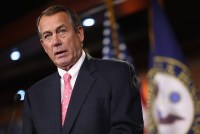
Talking The Talk: Swift Responses To The Supreme Court’s King V. Burwell Decision
Lawmakers and policy experts offered a range of views on the high court’s long-awaited decision.
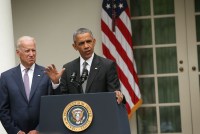
Obama Says Health Law ‘Is Here To Stay’
The president says that “in many ways, the law is working better than we expected it to.”

Having Survived Court Ruling, Insurance Markets Still Face Economic Threats
Among the challenges for these online exchanges set up by the health law are attracting more customers, keeping consumers’ health costs affordable and quality high, and finding enough financing.

‘I’m Elated … For Me And Millions Of Americans,’ Says Utahn With Subsidy
Those receiving subsidies express relief, jubilation at high court’s ruling.

When Turning 65, Consumers With Marketplace Plans Need To Be Vigilant In Choosing Health Coverage
Seniors can opt to stay in their marketplace plans when they become eligible for Medicare, but most lose their access to subsidies and failing to move into Medicare promptly results in premium penalties.