Latest Morning Briefing Stories
What the Health? From KFF Health News: Nutrition Programs Face Their Own Shutdown
Two major nutrition programs — SNAP and WIC — are likely to exhaust their funding in November, and the furloughs and firings at the CDC have left the agency unable to perform some of its major functions. Meanwhile, President Donald Trump’s new IVF policy is being met with dissatisfaction from both sides. Shefali Luthra of The 19th, Alice Miranda Ollstein of Politico, and Rachel Roubein of The Washington Post join KFF Health News’ Julie Rovner to discuss those stories and more. Also this week, Rovner interviews KFF Health News’ Katheryn Houghton, who wrote the latest “Bill of the Month” feature.

Officials Show Little Proof That New Tech Will Help Medicaid Enrollees Meet Work Rules
The Trump administration says it’s developing a digital tool to help people prove they’re meeting new Medicaid work requirements. KFF Health News talked to officials from the two states running pilot programs and found little evidence of new — or effective — technology.
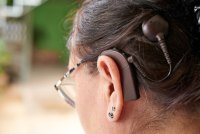
When a Hearing Aid Isn’t Enough
More older adults have turned to cochlear implants after Medicare expanded eligibility for the devices.

A New Car vs. Health Insurance? Average Family Job-Based Coverage Hits $27K
KFF data shows that 2025 marked the first time in two decades that the annual cost of covering a family of four rose by 6% or more for three consecutive years.
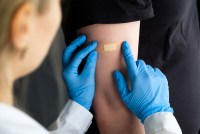
Despite the Hoopla, Vaccines Should Be in Reach This Cough-and-Cold Season
Recommendations surrounding covid vaccinations and other such shots have been confusing. Ultimately, though, little has changed. Here’s what you need to know.

‘Cancer Doesn’t Care’: Citizen Lobbyists Unite To Push Past Washington’s Ugly Politics
Despite a poisonous political climate, hundreds of volunteer advocates put partisan differences aside and pressed Congress to help people with cancer.

Private Medicare, Medicaid Plans Exaggerate In-Network Mental Health Options, Watchdogs Say
A federal probe of Medicare and Medicaid plans run by private insurance companies found that the plan operators often overstated how many mental health providers were available in their networks. In some cases, investigators found providers had never had contracts with plans they were listed on.

States Jostle Over $50B Rural Health Fund as Trump’s Medicaid Cuts Trigger Scramble
States are battling for their piece of $50 billion in federal rural health funding, but it’s not just hospitals vying for the money. Tech startups and policy demands are raising the stakes as Medicaid cuts loom.
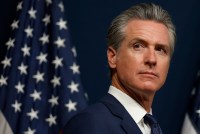
After Chiding Democrats on Transgender Politics, Newsom Vetoes a Key Health Measure
California Gov. Gavin Newsom vetoed a bill that would have expanded access to hormone therapy, a top priority for the trans community. Advocates say it would have ensured continuity in gender-affirming care amid Trump administration attacks. Analysts say it’s another sign of the Democrat’s move to the center.
What the Health? From KFF Health News: Schrödinger’s Government Shutdown
Democrats and Republicans remain stalled over funding the federal government as Republicans launch a new attack on the Affordable Care Act. Meanwhile, the Trump administration is taking advantage of the shutdown to lay off workers from programs supported mostly by Democrats. Anna Edney of Bloomberg News, Lauren Weber of The Washington Post, and Joanne Kenen of the Johns Hopkins Bloomberg School of Public Health and Politico Magazine join KFF Health News’ Julie Rovner to discuss those stories and more. Also this week, Rovner interviews health insurance analyst Louise Norris about Medicare open enrollment.

An Age-Old Fear Grows More Common: ‘I’m Going To Die Alone’
As families fracture, people are living longer and are more likely to find themselves without close relatives or friends at the end of their lives.

It’s a Bird! It’s a Plane! It’s a Chemtrail? New Conspiracy Theory Takes Wing at Kennedy’s HHS
The idea that airplane vapors are toxic to people or that there are ongoing efforts to intentionally change the climate made the social media rounds. Now, it has found advocates at the Department of Health and Human Services.
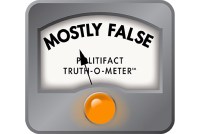
RFK Jr. Misses Mark in Touting Rural Health Transformation Fund as Historic Infusion of Cash
The health secretary’s statement doesn’t consider the impact that the Medicaid cuts advanced in the same law will have on health care in rural America.

In Mississippi, Medicaid Coverage of Weight Loss Drugs Fails To Catch On
In Mississippi, a state with one of the highest obesity rates in the nation, Medicaid covers weight loss drugs, but few enrollees have signed up for the benefit.

Why Brittle Bones Aren’t Just a Woman’s Problem
More men are now living long enough to develop osteoporosis. But few are aware of the risk, and fewer still are screened and treated.

Listen: Green Goodbyes: Choosing an Eco-Friendly Burial
Environmental and economic concerns prompt some people to explore obsequies options beyond metal caskets and cremation.

California’s Health Insurance Marketplace Braces for Chaos as Shutdown Persists
Jessica Altman, the head of California’s Affordable Care Act health insurance marketplace, warns letters will be sent out this week with sky-high premiums unless Washington extends covid-era enhanced tax credits by then. Even if Congress acts later and rates are lower than feared, she says, shoppers could be scared off.

Senators Press Deloitte, Other Contractors on Errors in Medicaid Eligibility Systems
As contractors position themselves to cash in on a gush of new business managing Medicaid work requirements, a cadre of senators has launched an inquiry into the companies paid billions to build eligibility systems.

Trump Called Digital Equity Act ‘Racist.’ Now Internet Money for Rural Americans Is Gone.
President Donald Trump called the Digital Equity Act unconstitutional, racist, and illegal. Then the $2.75 billion program for rural and underserved communities to gain internet access disappeared.

Cops on Ketamine? Largely Unregulated Mental Health Treatment Faces Hurdles
Ketamine, long used as an anesthetic or illegal party drug, is being combined with psychotherapy to treat severe depression and post-traumatic stress — a potential tool for those with high trauma rates, like firefighters and police officers. Yet the drug’s stigma and unregulated marketplace leave first responders in uncharted territory.