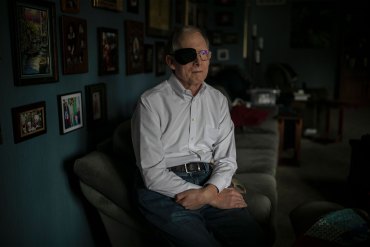
A Law Was Meant to Free Sick or Aging Inmates. Instead, Some Are Left to Die in Prison.
The First Step Act was supposed to help free terminally ill and aging federal inmates who pose little or no threat to public safety. But while petitions for compassionate release skyrocketed during the pandemic, judges denied most requests.
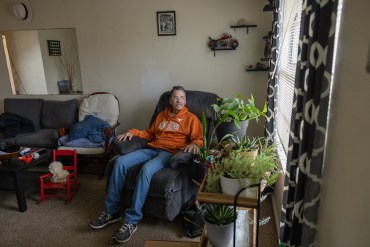
When Medicare stops paying for a pricey drug that prolongs life, an Ohio man considers giving up treatment to spare his family enormous debt.
What the Health? From KFF Health News: A Health-Heavy State of the Union
President Joe Biden’s 2023 State of the Union address leaned heavily on health care issues. Biden took a victory lap for recent accomplishments like capping prescription drug costs for seniors on Medicare. He also urged Congress to make permanent the boosted premium subsidies under the Affordable Care Act, and he sparred with Republicans on threats to cut Social Security and Medicare. Also this week, both sides in the abortion debate are bracing for a court decision out of Texas that could, at least temporarily, make the abortion pill mifepristone illegal nationwide. Alice Miranda Ollstein of Politico, Rachel Cohrs of Stat, and Sarah Karlin-Smith of the Pink Sheet join KHN chief Washington correspondent Julie Rovner to discuss these issues and more. Also this week, Rovner interviews Kate Baicker of the University of Chicago about a possible middle ground in the effort to get universal health insurance coverage.
‘We Ain’t Gonna Get It’: Why Bernie Sanders Says His ‘Medicare for All’ Dream Must Wait
As he takes the reins of the Senate Health, Education, Labor & Pensions Committee, the independent from Vermont and implacable champion of “Medicare for All” maps out his strategy for negotiating with Republicans — and Big Pharma.

As Long-Term Care Staffing Crisis Worsens, Immigrants Can Bridge the Gaps
The industry has long relied on immigrants to bolster its ranks, and they’ll be critical to meeting future staffing needs, experts say. But as the baby boom generation fills beds, policymakers are slow to open new pathways for foreign workers.

Nursing Home Owners Drained Cash During Pandemic While Residents Deteriorated
As the federal government debates whether to require higher staffing levels at nursing homes, financial records show owners routinely push profits to sister companies while residents are neglected. “A dog would get better care than he did,” one resident’s wife said.
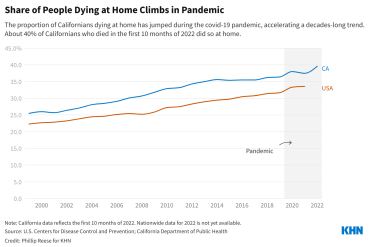
More Californians Are Dying at Home. Another Covid ‘New Normal’?
The proportion of Californians dying at home, rather than in a hospital or nursing home, accelerated during the pandemic, a trend that has outlasted the rigid lockdowns linked to the initial shift.
What Older Americans Need to Know About Taking Paxlovid
Covid-19 continues to hit seniors with disproportionate severity. Experts say Paxlovid is an effective therapy that is being underprescribed for people 65 and older.

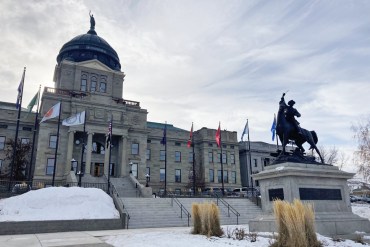
Ending Involuntary Commitments Would Shift Burden of Dementia Care to Strapped Communities
Health department officials anticipate having to transfer two dozen patients from the Montana State Hospital to another state-run facility if a bill to end involuntary commitments passes.
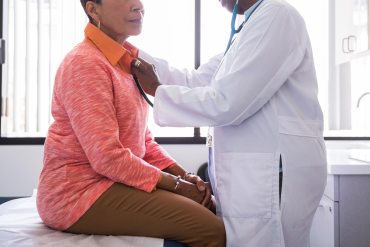
Weighing Risks of a Major Surgery: 7 Questions Older Americans Should Ask Their Surgeon
How do older adults know when the potential benefits from surgery are worth the risks? And what questions should they ask as they try to figure this out? Our columnist asks experts for guidance.

Medicare Pay Cuts Will Hurt Seniors’ Care, Doctors Argue
New reductions in Medicare payments in 2023 will drive more doctors away from accepting Medicare patients, physicians say. They are again pushing back on efforts largely designed to control government spending.
Are You an Optimist? Could You Learn to Be? Your Health May Depend on It.
Multiple studies show a strong association between higher levels of optimism and healthy aging. We ask some dedicated optimists what might explain the connection.

To Attract In-Home Caregivers, California Offers Paid Training — And Self-Care
Turnover ails a program that allows low-income people who are older or disabled to age in place. To attract new workers and improve retention, the state is paying caregivers to develop new skills.

A Family Death During the Holidays Prompts Questions and Reflection
The death of a sharp but frail patriarch just days before Thanksgiving casts a shadow on a family’s holiday season.
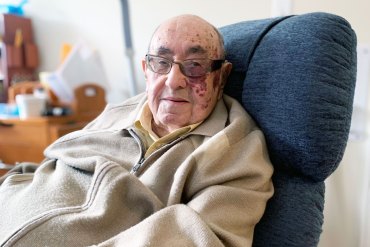
Assisted Living Facilities Pressed to Address Growing Needs of Older, Sicker Residents
Assisted living was meant to be a home-like setting where older adults could interact with other residents while receiving help with daily tasks such as bathing and dressing. But as the concept has become more popular, residents are now older and sicker than in the past, and a panel of experts is calling for more focus on their medical and mental health needs.
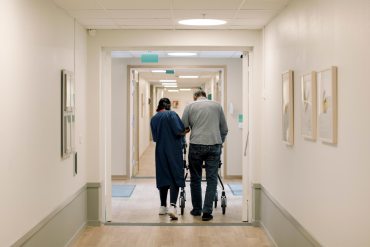
Should Older Seniors Risk Major Surgery? New Research Offers Guidance
An important new study offers much-needed data to inform older Americans of the risks and benefits they must weigh when facing major surgery.

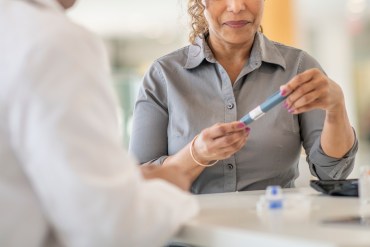
Medicare Plan Finder Likely Won’t Note New $35 Cap on Out-of-Pocket Insulin Costs
In August, Congress approved a $35 cap on what seniors will pay for insulin, but that change came too late to add to the online tool that helps Medicare beneficiaries compare dozens of drug and medical plans. Federal officials say beneficiaries who use insulin will have the opportunity to switch plans after open enrollment ends Dec. 7.
Homelessness Among Older People Is on the Rise, Driven by Inflation and the Housing Crunch
In Montana and across the nation, homeless shelters are reporting that people older than 60 are a growing proportion of their populations.
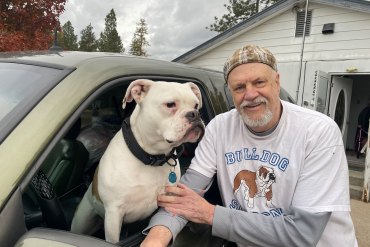
Hurricane Ian’s Deadly Impact on Florida Seniors Exposes Need for New Preparation Strategies
Lengthy checklists from public health officials on handling emergencies miss vulnerable seniors who can’t always follow the recommendations.

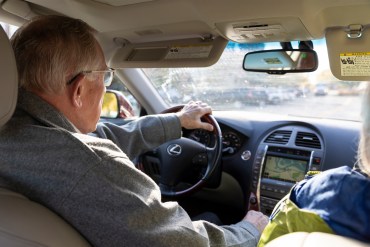
Drivers in Decline: A Shortage of Volunteers Complicates Access to Care in Rural America
Public transit is already insufficient in rural areas, leaving residents with few options as they travel greater distances to access health care. But older residents who depend on volunteer drivers to get them to appointments face another challenge: The number of those volunteers is declining.