


Latest KFF Health News Stories

New Medicare Advantage Tool To Lower Drug Prices Puts Crimp In Patients’ Choices
Federal officials are allowing the private insurance plans to use “step therapy” for drugs administered by doctors. In step therapy, patients must first use cheaper drugs to see if they work before receiving more expensive options.

Half As Many People Are Trying Heroin, But Marijuana Use Grows
An annual government survey of drug use and health shows a dramatic drop in the number of people who tried heroin but an uptick in pot use.

Buscan con discreción a parejas para frenar la propagación de infecciones sexuales
Dos mujeres intentan contactar a parejas sexuales de personas con sífilis, gonorrea y otras enfermedades de transmisión sexual para que se hagan pruebas y busquen tratamiento.

Must-Reads Of The Week From Brianna Labuskes
Newsletter editor Brianna Labuskes wades through hundreds of health articles from the week so you don’t have to.
Menos personas consumen heroína, pero más usan marihuana
El consumo de heroína bajó, pero más mujeres embarazadas y adultos jóvenes consumen marihuana, bajo la percepción errónea de que es inofensiva.
Discreetly Tracking Down Sex Partners To Stop A Surge In STDs
In response to a spike in syphilis and gonorrhea cases, one Oregon county is sending medical sleuths to break the bad news in person. Some people have no idea they’ve been exposed to an infection.

4 Takeaways On Puerto Rico’s Death Toll, In The Wake Of Trump’s Tweet Storm
The controversy over the death toll from Hurricane Maria continues as the president tweets that the official estimate adopted by territory officials is a political ploy.

La “medicina de precisión” para combatir el cáncer no siempre logra su objetivo
Estas terapias focalizadas, que ajustan la medicina a la genética de la enfermedad, no tienen el éxito que los médicos, y el público en general, esperan.
Podcast: KHN’s ‘What The Health?’ A Detour On A Smoking Off-Ramp
In this episode of KHN’s “What the Health?” Sarah Jane Tribble of Kaiser Health News, Stephanie Armour of The Wall Street Journal, Kimberly Leonard of the Washington Examiner and Rebecca Adams of CQ Roll Call talk about the Food and Drug Administration’s latest actions to address teenagers’ use of e-cigarettes, Arkansas’ Medicaid work requirements and news about the uninsured from the latest federal Census report.

Insurer To Purdue Pharma: We Won’t Pay For OxyContin Anymore
Embattled drugmaker Purdue Pharma defends OxyContin as some insurers are dropping the drug in favor of other abuse-deterrent opioid painkillers.
Much Touted For Cancer, ‘Precision Medicine’ Often Misses The Target
Doctors and hospitals love to talk about the patients they’ve saved with precision medicine, and reporters love to write about them. But the people who die still vastly outnumber the rare successes.

Trying To Protect Seniors, The Most Vulnerable, From Formidable Foe Florence
With Hurricane Florence predicted to slam the Southeast’s coastline Friday, health officials scramble to dodge the storm and keep older residents safe.

In Trump’s First Year, Nation’s Uninsured Rate Unchanged
The Census Bureau reports that the nation’s uninsurance rate was 8.8 percent in 2017 but notes that the rate did increase in 14 states.

Doctor To The Stars Disciplined Over Use Of Controversial Menopause Therapy
Dr. Prudence Hall has made a name for herself in the field of “bioidentical hormones” — plant-based compounds purportedly customized for each patient’s needs. Experts say the popular approach is unproven; California regulators say she was grossly negligent in her care of two patients.

Unwitting Patients, Copycat Comments Play Hidden Role In Federal Rule-Making
As HHS decided to cut $1.6 billion in drug payments to hospitals, it weighed thousands of comments generated by a pharmaceutical-funded advocacy group.

Confusión deja a niños de bajos ingresos en un limbo de atención de salud
Bajo la ley federal, los niños son elegibles para una amplia gama de servicios, pero proveedores confundidos y los planes de salud a menudo solo consideran los pocos servicios aprobados para los adultos.

El remedio para las cuentas médicas sorpresa puede estar en una ley federal
A partir de un caso reportado por Kaiser Health News, expertos analizan la posibilidad de que una ley federal sea el comienzo para solucionar las tremendas cuentas sorpresa.
The Remedy For Surprise Medical Bills May Lie In Stitching Up Federal Law
The wide-ranging law has the potential to blindside many consumers whose health care comes from company and union health plans that are “self-funded,” meaning they pay claims out of their own funds.
Must-Reads Of The Week From Brianna Labuskes
Newsletter editor Brianna Labuskes wades through hundreds of health articles from the week so you don’t have to.
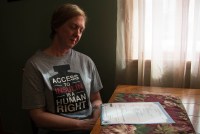
El alto precio de la insulina lleva a que pacientes la racionen, a riesgo de muerte
El precio de la insulina en los Estados Unidos aumentó más del doble desde 2012. Eso pone a la hormona que salva vidas fuera del alcance de algunas personas con diabetes.