Latest KFF Health News Stories

As Medicaid Purge Begins, ‘Staggering Numbers’ of Americans Lose Coverage
In what’s known as the Medicaid “unwinding,” states are combing through rolls to decide who stays and who goes. But the overwhelming majority of people who have lost coverage so far were dropped because of technicalities, not because officials determined they are no longer eligible.

More States OK Postpartum Medicaid Coverage Beyond Two Months
Montana, Alaska, Mississippi, Missouri, South Dakota, Texas, Utah, and Wyoming are among the latest states moving to provide health coverage for up to a year after pregnancy through the federal-state health insurance program for low-income people.

How a Medical Recoding May Limit Cancer Patients’ Options for Breast Reconstruction
The federal government’s arcane process for medical coding is influencing which reconstructive surgery options are available, creating anxiety for breast cancer patients.

Health Care Coalition Jockeys Over Medi-Cal Spending, Eyes Ballot Initiative
California Healthline has learned that a coalition of doctors, hospitals, insurers, and community clinics want to lock in a tax on health insurance companies to draw in extra Medicaid funding. It also wants to make the tax permanent.

California Governor and Democratic Lawmakers at Odds Over Billions in Health Care Funds
Gov. Gavin Newsom is getting pressure from his political allies to begin spending money on health care that the state raised by fining Californians who go without health insurance. But Newsom says the state can’t afford to.
Los líderes demócratas dijeron que la táctica de Newsom de retener el dinero para el fondo general es una “estafa”.

Denials of Health Insurance Claims Are Rising — And Getting Weirder
The Department of Health and Human Services is tasked with monitoring denials both by Obamacare health plans and those offered through employers and insurers. As insurers’ denials become more common, they sometimes defy not just medical standards of care but sheer logic. Why hasn’t the agency fulfilled its assignment?

He Returned to the US for His Daughter’s Wedding. He Left With a $42,000 Hospital Bill.
After emergency surgery, an American expatriate with Swiss insurance now carries the baggage of a five-figure bill. Costs for medical care in the U.S. can be two to three times the rates in other developed countries, so foreigners and expats with good insurance in their home countries need travel insurance to protect themselves from “crazy prices.”

Thousands Face Medicaid Whiplash in South Dakota and North Carolina
Thousands of South Dakotans are being knocked off Medicaid, only to be eligible to requalify several months later. Even more enrollees are likely to experience a temporary loss of coverage in North Carolina.

A Covid Test Medicare Scam May Be a Trial Run for Further Fraud
Before the covid-19 public health emergency ended, Medicare advocates around the country noticed a rise in complaints from beneficiaries who received at-home covid tests they never requested. Bad actors may have used seniors’ Medicare information to improperly bill the federal government — and could do it again, say federal investigators.
Estafas a Medicare con pruebas para covid pueden generar otros fraudes
La cobertura de Medicare para las pruebas caseras de covid-19 finalizó hace pocos días, pero las estafas generadas por este beneficio temporal podrían tener consecuencias persistentes para las personas mayores.
What the Health? From KFF Health News: The Crisis Is Officially Ending, but Covid Confusion Lives On
The public health emergency declaration for covid-19 ends May 11, ushering in major changes in how Americans can access and pay for the vaccines, treatments, and tests particular to the culprit coronavirus. But not everyone will experience the same changes, creating a confusing patchwork of coverage — not unlike health coverage for other diseases. Meanwhile, outside advisers to the FDA formally recommended allowing a birth control pill to be sold without a prescription. If the FDA follows the recommendation, it would represent the first over-the-counter form of hormonal contraception. Margot Sanger-Katz of The New York Times, Tami Luhby of CNN, and Joanne Kenen of the Johns Hopkins Bloomberg School of Public Health and Politico join KFF Health News’ Julie Rovner to discuss these issues and more. Plus for “extra credit” the panelists suggest health policy stories they read this week they think you should read, too.

An Arm and a Leg: Mental Health ‘Ghost Networks’ — And a Ghostbuster
What should you do when your search for an in-network mental health care provider comes up empty? Abigail Burman has some expertise to share.

Beneficiarios de Medi-Cal: cómo verificar si eres elegible
Medi-Cal, la versión de Medicaid en California, puso en marcha una iniciativa de 14 meses para reexaminar la elegibilidad de sus casi 15.8 millones de miembros.
Medi-Cal Enrollees in California: Here’s How to Verify Your Eligibility
California’s safety-net health program has resumed annual eligibility checks after three years, which means beneficiaries will need to provide updated personal information to maintain coverage. Here’s what to watch for.

Montana Passes Significant Health Policy Changes in Controversial Session
The recently ended legislative session was marked by Medicaid reimbursement hikes, abortion restrictions, anti-LGBTQ+ statutes, behavioral health spending, and workforce and insurance measures.
What the Health? From KFF Health News: Health Programs Are at Risk as Debt Ceiling Cave-In Looms
A warning from the Treasury Department that the U.S. could default on its debt as soon as June 1 has galvanized lawmakers to intervene. But there is still no obvious way to reconcile Republican demands to slash federal spending with President Joe Biden’s demand to raise the debt ceiling and save the spending fight for a later date. Meanwhile, efforts to pass abortion bans in conservative states are starting to stall as some Republicans rebel against the most severe bans. Joanne Kenen of the Johns Hopkins Bloomberg School of Public Health and Politico, Rachel Cohrs of Stat, and Alice Miranda Ollstein of Politico join KFF Health News chief Washington correspondent Julie Rovner to discuss these issues and more.

For California Teen, Coverage of Early Psychosis Treatment Proved a Lifesaver
A Medi-Cal patient illustrates how early schizophrenia treatments can yield big benefits. Advocates want California to expand such services to more people living with severe mental illness, which they argue will not only improve lives but also save money over time.

Readers and Tweeters Defend the Rights of Adults With Disabilities
KFF Health News gives readers a chance to comment on a recent batch of stories.
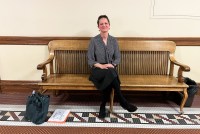
Montana Considers Requiring Insurance to Cover Fertility Preservation for Cancer Patients
Young cancer patients must act quickly to preserve their sperm and eggs once they get their diagnosis, and many can’t afford the cost.