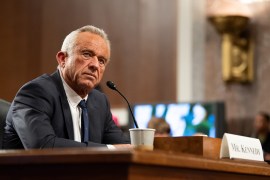
NIH Grant Disruptions Slow Down Breast Cancer Research
The Trump administration has made the future of federal funding for cancer research uncertain. At one groundbreaking breast cancer research lab, work that could save lives has slowed significantly.

An estimated 4.8 million people are expected to go without health coverage because Congress did not extend enhanced subsidies for Affordable Care Act plans. But even without a health plan, people will need medical care in 2026. Many of them have been thinking through their plan B to maintain their health.

Homeless Shelters for Seniors Pop Up, Catering to Older Adults’ Medical Needs
Seniors are the fastest-growing segment of homeless Americans. Shelters are struggling to take in people with mobility issues and other chronic health conditions that can make living in a shelter nearly impossible. But specialized shelters for seniors are cropping up around the country to fill the gap.

As Sports Betting Explodes, States Try To Set Limits To Stop Gambling Addiction
Some advocates and lawmakers want to impose national regulations on the gambling industry but would settle for reining in excessive betting at the state level.

Wary of RFK Jr., Colorado Started Revamping Its Vaccine Policies in the Spring
Amid concerns that Health and Human Services Secretary Robert F. Kennedy Jr. is undermining trust in vaccines and public health science, some states are seeking new sources of scientific consensus and changing how they regulate insurance companies, prescribers, and pharmacists. Colorado has been at the front of this wave.

Listen: The Surprising Power of Pushback When Health Insurance Won’t Pay
Denied coverage for preventive care? You’re not powerless. In this new episode of NPR’s “Life Kit” podcast, KFF Health News reporter Jackie Fortiér explores why denials happen and how to avoid common pitfalls.
Ticks Are Migrating, Raising Disease Risks if They Can’t Be Tracked Quickly Enough
Doctors need to know when to screen for tick-borne diseases in their communities. But it’s getting harder for local health departments to get funding for tick surveys as federal public health grants from agencies like the Centers for Disease Control and Prevention dry up.

Medicaid Cuts Could Have Vast Ripple Effects in This Rural Colorado Community
In rural Colorado and across rural America, Medicaid is a lifeline, especially for people who wouldn’t otherwise have easy access to health care. That includes low-income seniors who need supplemental coverage in addition to Medicare, and people of all ages with disabilities.

A Brain-Dead Pregnant Woman Was Kept Alive in Georgia. It’s Unclear if State Law Required It.
The anti-abortion movement is rallying around new laws that establish fetal “personhood.” Doctors are scrambling to adjust, but even conservatives don’t always agree on how such laws should be applied.

Feds Investigate Hospitals Over Religious Exemptions From Gender-Affirming Care
Federal health officials are investigating claims that a Michigan health system fired an employee who sought a religious exemption to avoid calling transgender patients by their pronouns or referring them for gender-affirming care. Legal experts say the investigation escalates the Trump administration’s effort to curb medical care for transgender patients.

As Federal Health Grants Shrink, Memory Cafes Help Dementia Patients and Their Caregivers
Memory cafes are small social gatherings for individuals with memory loss and their caregivers. The events are cheap to run and can offer measurable benefits. Memory loss experts say they may become an even more important tool in the face of federal cuts to health programs.

Even Where Abortion Is Still Legal, Many Brick-and-Mortar Clinics Are Closing
Some clinics that provide abortions are closing, even in states where voters have passed some of the nation’s broadest abortion protections. It’s happening in places like New York, Illinois, and Michigan, as reproductive health care faces new financial pressures.

Despite Historic Indictment, Doctors Will Keep Mailing Abortion Pills Across State Lines
When a New York physician was indicted for shipping abortion medications to a woman in Louisiana, it stoked fear across the network of doctors and medical clinics who engage in similar work. But some physicians vowed not to stop.

Alabama Can’t Prosecute Groups Helping Patients Get Abortions Elsewhere, Judge Rules
Although most abortions remain illegal in Alabama, a judge’s decision in early April allows doctors and advocacy groups to tell patients about abortion options in other states, and help with travel and other costs.
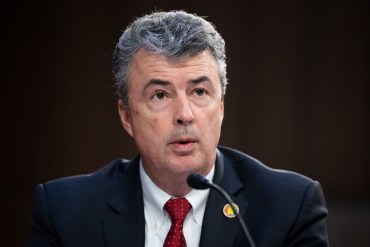
In Rural Massachusetts, Patients and Physicians Weigh Trade-Offs of Concierge Medicine
A stressed primary care system has led many doctors to start practices that charge membership fees in exchange for shorter waits and longer appointments. Observers say the doctor shortage needs a more systemic fix.
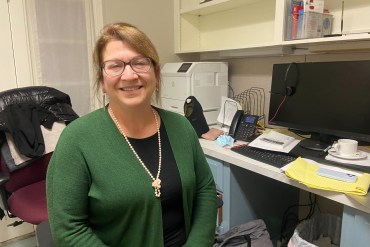
Current, Former CDC Staff Warn Against Slashing Support to Local Public Health Departments
Public health and science researchers are concerned about the Trump administration’s cuts to the Centers for Disease Control and Prevention. Reductions in staff and budgets could undermine the nation’s ability to respond to threats, they say.

For Seniors With Hoarding Disorder, a Support Group Helps Confront Stigma and Isolation
Hoarding disorder disproportionately affects older people. As baby boomers age, it is a growing public health concern. Effective treatments are scarce, and treating hoarding can require expensive interventions that drain municipal resources. Some experts fear a coming crisis.

On the Front Lines Against Bird Flu, Egg Farmers Say They’re Losing the Battle
Tools used to contain previous bird flu outbreaks aren’t working this time, experts say. The virus has sickened at least 67 people in the U.S. and killed one, with egg producers begging for a new approach. “I call this virus a terrorist,” said one egg farmer, who lost 6.5 million birds to H5N1 in two weeks.

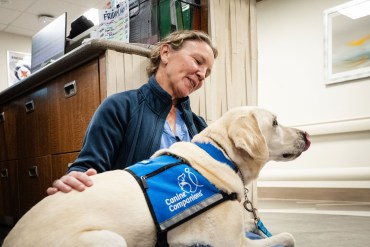
Dogs Paired With Providers at Hospitals Help Ease Staff and Patient Stress
Some hospitals are bringing in dogs to spend entire shifts with doctors and nurses. The trained canines help staffers cope with the stress of their work amid high levels of burnout.
For Homeless Seniors, Getting Into Stable Housing Takes a Village — And a Lot of Luck
The number of unhoused seniors in the U.S. is expected to triple by 2030. About half of this population is becoming homeless for the first time. Homeless services struggle to help. Finding affordable housing that’s also accessible for older Americans with medical conditions is an extra challenge.