


Latest KFF Health News Stories
A selection of opinions and editorials from around the country.
Opinion and editorial writers around the country analyze how certain parts of the Affordable Care Act, as well as other health policies, may fare in the Trump era.
Outlets report on health news from Minnesota, Virginia, Michigan, Ohio, Iowa, Pennsylvania, Washington, Florida, Texas, California, Massachusetts and Georgia.
As Marijuana Legalization Sweeps Country, Worrisome Trends Emerge
Marijuana use has become so prevalent and so accepted that many don’t think of it as a drug.
Researchers Suggest Link Between Rise In Gender Equality, Decrease In Infectious Diseases
They say the correlation is as strong as smoking and lung cancer. In other news, cholesterol drugs are underused in women and the election sparks a dramatic reaction from many worried about contraception under the new administration.
Efforts To Keep Zika Out Of United States’ Blood Supply Seem To Pay Off
Screenings reveal that Zika infections in the blood supply are exceedingly rare.
Desperate Cancer Patients Smuggle Unapproved Vaccine From Cuba Into U.S.
Cuba is home to an innovative vaccine called Cimavax, but American trials on the drug could take years. Many, however, can’t wait that long. In other public health news, Donald Trump’s stance on healthy eating may upend first lady Michelle Obama’s efforts to improve school lunches; timeouts are taking the place of spankings for disciplining children; proteins that signal Alzheimer’s don’t always lead to diagnosis; and more.
Advocates Worry Trump’s Solution To Build Wall Ignores Realities Of Opioid Epidemic
Donald Trump has said one way he plans to address the opioid crisis is to build a wall between America and Mexico — but the leading causes of overdose deaths are prescription pills and alcohol, which would not be affected by a wall. Meanwhile, some companies are taking steps to combat the crisis starting with their employees.
Now Part Of Med School — Studying The Health Care System
A study by the American Association of Medical Colleges concluded that nearly all medical schools in the country require coursework about the health system and how it is financed. Also in the news, a study by Rand the finds retail clinics haven’t triggered a reduction in ER visits for low-acuity illnesses.
Safety Net Hospitals Urge Congress To Alter Readmissions Penalties In Lame-Duck Session
The hospital group argues that the Medicare formula unfairly dings facilities that primarily serve lower-income patients who are more likely to be readmitted due to factors outside a hospital’s control. In other Capitol Hill news, conservative organizations caution lawmakers against adding the CREATES Act to the 21st Century Cures Act.
New Medicare List Of Most Expensive Drugs Shows ‘Eye-Popping’ Price Hikes
Data released by federal officials show the price of an anxiety drug rose 1,264 percent. At the top of Medicare spending is a hepatitis C prescription drug and a form of insulin, which together cost more than $11 billion in 2015.
After GOP Election Success, Advocates In Kentucky Fear For Future Of Medicaid Expansion
Nearly half a million state residents gained Medicaid coverage under the federal health law and their coverage is now in play, advocates say. Also, news outlets report on Medicaid developments in Kansas and Ohio.
Insurers Warn Of Dreaded ‘Death Spiral’ If Trump Strips Away Individual Mandate
There would be no reason for healthy people to buy insurance, leaving only the sickest consumer base, insurers say. If that happens — and the provision to cover everyone regardless of pre-existing conditions remains — the market would collapse.
Burwell Continues Enrollment Push, Says Health Law Is ‘Woven Into The Fabric Of Our Nation’
“The American people don’t want to go back,” Health and Human Services Secretary Sylvia Mathews Burwell said.
Obama to Republicans: Wish You Luck Coming Up With A Better Health Plan
“My view is that if they can come up with something better, that actually works … I’ll be the first one to say that’s great, congratulations,” President Barack Obama said of Republicans’ plans to overhaul the health law. But if they don’t and millions lose coverage, “we’re going to have a problem.”

Obamacare y Trump: ¿qué puede pasar con su plan de salud?
Respuestas a las preguntas de los consumidores que tienen planes, o quieren comprar uno, en los mercados de salud.
First Edition: November 15, 2016
Today’s early morning highlights from the major news organizations.

Some Panic, Others Shrug At Prospect Of Losing Obamacare
Consumers who feel they pay too much for skimpy coverage may welcome Donald Trump’s changes to the health law, but those who are sick are deeply worried.

Despite Anger At Health Law’s Mandate, GOP Plans Could Also Have Penalties
President-elect Donald Trump has suggested that he would like to keep the health law’s ban on preexisting conditions. But that only works if insurers can be guaranteed a robust market, so Republicans must figure out a way to coax in healthy customers.
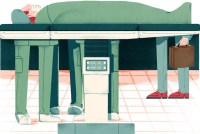
Medical Device Employees Are Often In The O.R., Raising Concerns About Influence
The “reps,” who are there to answer any technical questions that arise during surgery, also often cultivate close relationships with the doctors, leading to questions about how much influence they wield.