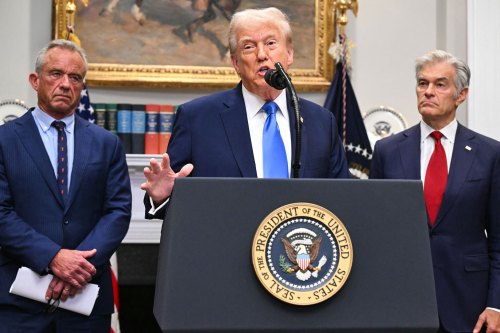
Six months ago, Nebraska became the first state to enforce Medicaid work requirements under President Donald Trump’s signature One Big Beautiful Bill Act. “We’re excited to be able to be the first to make it happen,” Gov. Jim Pillen said at a news conference in December.
Initial state data shows that most affected applicants met the requirements or qualified for an exclusion. And most affected enrollees have kept their coverage.
Even so, the rollout in Nebraska — eight months earlier than the timeline required by law — has been rife with problems, according to health clinics and organizations advocating for poor and working-class Nebraskans.
The story of Eli McCreary shows how confusion has interrupted essential medical care. McCreary, who lives in Omaha, was diagnosed with kidney cancer earlier this year. Shortly after, he said, he got a call from a local hospital. He said he was informed that he wasn’t insured anymore under Medicaid — and that the hospital would cancel his appointments unless he paid out-of-pocket.
When McCreary, who was 64 at the time, phoned a call center for help, he said he was told his Medicaid now required him to have a job.
McCreary had previously worked as a driver for an asphalt services company before his health deteriorated. He said he’d worked “until I couldn’t do the job anymore.”
His experience encapsulates something KFF Health News encountered in its reporting: Advocates who work with Medicaid enrollees in Nebraska say that participants don’t know whether the work rules apply to them. These advocates say enrollees also have received inaccurate information.
On Jan. 1, Medicaid work requirements will apply to millions of adults in more than 40 states.
“It’s already a shaky system, and now you’ve added more burdens on top of that,” said Gelila Selassie, director of health advocacy for the nonprofit Justice in Aging.
Despite what McCreary said he was told, the Nebraska health department told KFF Health News that McCreary experienced “no lapses in coverage” and that he was disenrolled from Medicaid after turning 65.
Jeff Powell, a spokesperson for the Nebraska health department, said Medicaid work requirements weren’t the reason: McCreary aged out of Medicaid and into Medicare before they could be applied to him.
McCreary eventually rescheduled his appointments related to his cancer diagnosis. He had surgery in early November to remove his right kidney.
With their newly elected majorities in Congress, Democrats have said they want to repeal the One Big Beautiful Bill Act’s changes to Medicaid in their first 100 hours in office in January. But they could face a Trump veto.
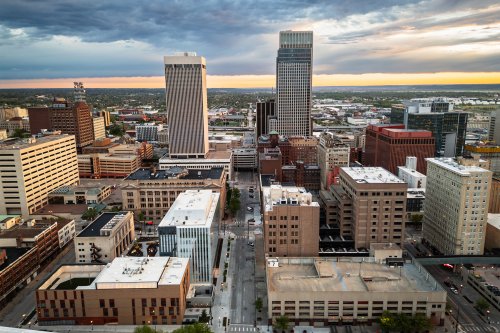
Nebraska budgeted $8.2 million for contractors to comply with Medicaid changes under President Donald Trump’s One Big Beautiful Bill Act. Health clinics and organizations advocating for poor and working-class Nebraskans say the rollout of Medicaid work requirements has been rife with problems.