Conservatives’ Conflict: Try For Health Law Repeal – Or Revision?
Conservatives are already debating whether it’s better for Republicans to chip away at part of the health law or just lay the groundwork for 2012.
HHS Cuts Premiums For Some High Risk Pools
Trying to spur enrollment in a new health insurance program for uninsured people with pre-existing medical conditions, the federal government is doing something private insurers almost never do: slashing rates.
Fear + Worry = Fewer Kids Getting Vaccinated
After years of steady progress, the percentage of 2 year olds in private health plans being immunized dropped last year, while it went up for Medicaid patients.
Health Care Interests Push To Make ACOs Pay Off For Them
From medical device makers to pharmacists to labor unions, a host of organizations want to ensure that accountable care organizations expand their business and influence.
Feds Reassure Hospitals, Doctors On Cooperation Through ACOs
The agencies that oversee doctors and hospitals promised they will give unified guidance on how medical providers can form “accountable care organizations” without violating antitrust regulations. ACOs are a key part of the new health law.
Health Care Providers, Insurers: Accountable Care Organizations Bring Legal Worries
The Obama administration has touted ACOs as a key way that the new health law will help providers work more closely together to lower health costs and improve patient care. But doctors and hospitals are worried about inadvertently violating antitrust and anti-fraud laws. Insurers fear the new doctor-hospital entities could boost health care prices. Industry and government officials are meeting Tuesday to deal with the concerns.

States Cutting Medicaid Benefits As They Stagger Under Economic Downturn
The recession’s double whammy – less money and more need – is leaving states with reduced tax revenues and increasing numbers of people enrolling in the federal-state health care program for the poor.
Uninsured Rate Soars, 50+ Million Americans Without Coverage
In a reflection of the battered economy, the rate of uninsured Americans rose to 16.7 percent last year from 15.4 percent in 2008, according to a new Census Bureau report.
Participation In Children’s Health Insurance Program Varies Widely Across Country
A new study found states have very different rates of enrollment for eligible kids – from a high of 95 percent in Massachusetts to a low of 55 percent in Nevada.
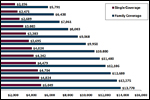
Employers Push Higher Health Insurance Costs Onto Workers
Premiums for family coverage rose about 3 percent to an average of $13,770, but workers are absorbing a greater percentage of the costs, survey finds.
CT Scans Can Increase Cancer Risk
Several recent studies show the risk of cancer associated with CT scans appears to be greater than previously believed.

Health Law Changes Rules For Docs With In-House Imaging Machines
Doctors who refer Medicare and Medicaid patients to in-house imaging machines must disclose in writing that they own the equipment.
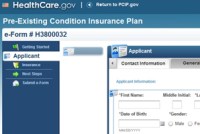
New Plans For Uninsured Off To Slow Start
The new “high-risk pools” – the federally-subsidized program for uninsured people with health problems – are one of the first benefits of the health overhaul law passed this year, but not many people have applied and been enrolled in the plans springing up around the country.

Health Insurance Costs Rise Sharply For Unemployed As COBRA Subsidy Ends
When a program subsidizing health insurance for people who lose their jobs ended this year, it created a costly problem as the recession continues to throw workers off the payroll. COBRA coverage, which employees of many businesses can obtain after being laid off, typically is very expensive.
Will Health Savings Trickle From Your Paycheck To Social Security?
Some say money employers save on health insurance in the health law will eventually mean more money for Social Security instead of more money for workers.
EHealth Wins Contract To Help Run Federal Health Website
Ehealth Inc., a large Internet health insurance broker, has been named to help operate the new federal health website, making it one of the first private companies to get a major contract from the federal government under the nation’s new health law.
High-Risk Health Insurance Pool Rules Bar Abortions, Limit Patient Costs
During the health reform debate, people with pre-existing conditions lobbied for affordable health insurance. Now, HHS has issued new rules on how high-risk pools will work.
New Rules Guarantee Patients’ Right To Appeal Insurance Claim Denials
The Obama administration issues regulations that will set some minimum requirements for the process, including allowing patients to appeal the insurer’s decision to an independent outside panel.
Lawmakers: Extend Medicaid Subsidies To Help African-American Seniors
Three black members of Congress say minority nursing home patients would be disproportionately affected if Congress fails to extend bonus payments to state Medicaid programs.
HHS Relaxes Some Rules For Doctors, Hospitals To Get Aid For Electronic Health Records
The federal government is providing $27 billion over the next decade to reward doctors and hospitals for installing electronic health systems. But some hospital officials say the regulations are still too onerous.