Latest KFF Health News Stories

Give and Take: Federal Rural Health Funding Could Trigger Service Cuts
States are rolling out plans for their share of a $50 billion fund meant to improve rural health care. In some states, the money may provoke rural hospitals to cut services.
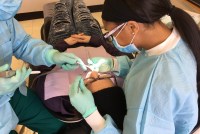
Aunque tengas seguro dental, la factura puede ser muy alta
Una encuesta revela que 1 de cada 4 adultos con seguro dental reportó que el costo es una barrera para recibir atención.
Even With Dental Insurance, You Still Could Face a Large Bill
Costs keep many Americans, even those with insurance, from getting dental care. Understanding how dental insurance works and leaning into preventive care can help keep dental problems — and bills — manageable.

Many ACA Customers Are Paying Higher Premiums. Most Blame Trump and Republicans, Poll Finds.
A KFF poll offers insights into people’s insurance coverage decisions and how those choices could play into their vote in November’s midterm elections.

Lawmakers Seek To Protect Crisis Pregnancy Centers as Abortion Clinic Numbers Shrink
Some states have tried to crack down on crisis pregnancy centers, accusing them of deceptive practices. But now conservative lawmakers are pushing legislation to increase protections for the organizations, which work to dissuade women from abortions.
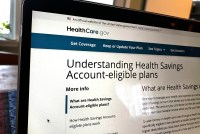
Is It Worth Your Time and Money To Set Up an HSA?
If you have a high-deductible health insurance plan, you’re probably eligible to use a health savings account. It can be an administrative headache, but it can save you money in the long run. Here’s what you need to know.

Medicaid Is Paying for More Dental Care. GOP Cuts Threaten To Reverse the Trend.
More than three dozen states cover dental services for low-income and disabled individuals on Medicaid, in recognition of such care’s importance to overall health. But with about $900 billion in funding cuts expected to hit states over the next decade, many programs could roll back dental coverage.

State Lawmakers Seek Restraints on Wage Garnishment for Medical Debt
At least eight states are considering legislation to curtail wage garnishment over unpaid medical bills, as health care costs rise and more people become underinsured.

Nuevas reglas de trabajo de Medicaid podrían impactar más fuerte en adultos de mediana edad
Los adultos de entre 50 y 64 años, especialmente las mujeres, son quienes probablemente resulten más afectados por las nuevas reglas que imponen trabajar para acceder al programa de salud.
New Medicaid Work Rules Likely To Hit Middle-Aged Adults Hard
Republicans have said new rules requiring many Medicaid participants to work 80 hours a month will pinpoint unemployed young people who should have jobs. Policy researchers say the rules are more likely to disrupt coverage for middle-aged adults, harming their physical and financial health.

This Ballad Hospital, Flooded by Hurricane Helene, Will Be Rebuilt for $44M in a Flood Plain
Ballad Health, the nation’s largest state-sanctioned hospital monopoly, plans to rebuild Unicoi County Hospital on land that two climate modeling companies say is at risk of flooding.
If You’re Pregnant and Uninsured, Medicaid Might Be Your Answer
Prenatal care can make a huge difference to the long-term health of both the parent and baby. Every state offers health coverage to lower-income pregnant women who might otherwise go uninsured.
Si estás embarazada y no tienes seguro de salud, Medicaid podría ser la solución
Todos los estados ofrecen cobertura de Medicaid a las mujeres embarazadas que cumplen con ciertos requisitos de ingresos. Pero cambia dependiendo del estado.

When Health Insurance Costs More Than the Mortgage
As health care costs skyrocket and federal lawmakers pull back help on insurance premiums, more middle-income families are facing tough choices on health care.
Cuando el seguro médico cuesta más que la hipoteca
A pesar de las intensas discusiones y del cierre del gobierno más largo en la historia, el Congreso permitió que los subsidios mejorados de ACA expiraran el pasado 31 de diciembre.

An estimated 4.8 million people are expected to go without health coverage because Congress did not extend enhanced subsidies for Affordable Care Act plans. But even without a health plan, people will need medical care in 2026. Many of them have been thinking through their plan B to maintain their health.

Nueva tarifa de $100.000 por visa impuesta por Trump afecta a trabajadores de salud rurales
El sistema de salud en Estados Unidos depende del personal nacido en el extranjero para cubrir plazas como médicos, enfermeros, técnicos y otros profesionales, especialmente en zonas rurales.
Rural Health Providers Could Be Collateral Damage From $100K Trump Visa Fee
Dozens of health care organizations have asked the Trump administration to shield the doctors, nurses, and techs they need to fill shortages from the president’s new $100,000 visa fee for skilled foreign workers. So far, there’s no sign of a reprieve.

Cómo decidir quiénes califican como “médicamente frágiles” según las reglas laborales de Medicaid
Ante la falta de directrices claras a nivel federal, los estados deben llegar a un acuerdo sobre cómo definir la fragilidad médica.

Feds Promised ‘Radical Transparency’ but Are Withholding Rural Health Fund Applications
Proposals from states that have shared their applications to a new $50 billion rural health program include using drones to deliver medication, installing refrigerators to expand access to healthy produce, and bringing telehealth to libraries, day cares, and senior centers.