Latest KFF Health News Stories

Must A Divorced Dad Cover Adult Kids; Will Medicare Pay For Infusion Therapy
KHN’s consumer columnist Michelle Andrews explores a divorced mother’s efforts to get her ex-husband to keep their sons on his plan, one senior’s problems getting Medicare to cover his antibiotic infusion at home and what earnings one reader will have to count when applying for premium subsidies.

Short-Term Health Plans Might Offer Some Relief But They Have Significant Gaps
These plans, which can last from a month to nearly a year, do not guarantee many of the benefits of regular health insurance.
HHS Report Finds Medicare Advantage Plans Exaggerate Members’ Diseases To Make More Money
The study urges changes in federal policies that allow higher payments for sicker patients.

A Tennessee Insurer Uses Its Monopoly To Deliver Bargain Premiums
BlueCross BlueShield’s near dominance and hospitals’ lack of negotiating clout are key reasons Chattanooga has among the lowest priced coverage in the nation.

Patients Seeking Cheaper Care Are Soliciting Bids From Doctors Online
Medibid, a four-year-old Internet service, can help people get non-emergency medical services outside of costly hospitals, but critics note that the service provides no guarantee of quality or safety.

A Doctor’s Perspective On Obamacare Plans
Low reimbursement rates cause one doctor to reject two out of three companies selling Affordable Care Act insurance in his state.
Allynne Noelle: Ballerina Gets Insured
Ballerinas risk injury and high health care costs every time they perform. Allynne Noelle, 32, principal ballerina with the Los Angeles Ballet, says the new health care law offers some relief.
Restaurant Owner Struggles To Afford Health Insurance
Sandra Lopez, 41, owns Las Fajitas, a popular Mexican restaurant in Newport Beach, Calif. She has to make decisions about health insurance coverage for her family and her business under the Affordable Care Act.

Florida’s Largest Health Insurer Is Raising Exchange Rates An Average Of 17.6 Percent
Florida Blue cites cost impact of older and less healthy adults who use more services.

Good News On California ACA Rates. But Why?
Two top insurance officials in California have competing theories on what’s keeping prices in check for 2015.

House Panel Focuses ‘Microscope’ On Marketplace Open Enrollment
House members examined concerns raised in a GAO report about the healthcare.gov website during a subcommittee hearing Thursday. KHN’s Mary Agnes Carey and CQ Roll Call’s Melissa Attias discuss.

California Makes Significant Progress In Enrolling Previously Uninsured, Survey Finds
But more than 40 percent of those who lacked coverage last fall still don’t have insurance.

Expert Panel Recommends Sweeping Changes To Doctor Training System
Overhauling financing is seen as key to reforms.
Good News For Boomers: Medicare’s Hospital Trust Fund Appears Flush Until 2030
But the fund that pays disability benefits needs help fast.

Limitations Of New Health Plans Rankle Some Enrollees
Consumer groups complain people have been misled about the narrow networks of hospitals and doctors in their plans. Insurers say they are trying to hold down prices.
A Reader Asks: How Can I Get Health Coverage For My Grandchildren?
KHN consumer columnist Michelle Andrews points out various options through Medicaid, CHIP and the online insurance marketplaces.

New Health Law Court Decisions Could Have Limited Political Impact
Analysts say it’s hard to see either party broadly benefiting in the fall elections.
King County’s Wellness Plan Beats the Odds
Most employee wellness plans have few participants and little effect on health care costs. A program in King County, Washington, is an exception.
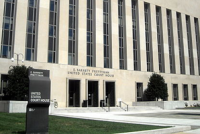
Appeals Courts Split On Legality Of Subsidies For Affordable Care Act
The D.C. circuit struck down the administration’s decision to offer financial help for lower-income consumers buying coverage on the federal insurance marketplace. But the 4th Circuit court in Richmond, Va., said the subsidies were valid.
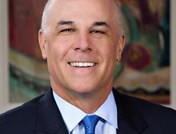
Florida’s Biggest Health Insurer Signals Rate Hikes Ahead
High demand for care and a larger-than-expected number of older, sicker enrollees are key factors.