Latest Morning Briefing Stories

Aunque tengas seguro dental, la factura puede ser muy alta
Una encuesta revela que 1 de cada 4 adultos con seguro dental reportó que el costo es una barrera para recibir atención.

Algunos adultos de mediana edad deciden posponer la atención médica hasta tener Medicare
Las personas con planes de ACA que están cerca de retirarse fueron de las más afectadas por los aumentos de precios luego de la suspensión de los subsidios federales mejorados, a finales de diciembre.
Even With Dental Insurance, You Still Could Face a Large Bill
Costs keep many Americans, even those with insurance, from getting dental care. Understanding how dental insurance works and leaning into preventive care can help keep dental problems — and bills — manageable.
Rising Health Costs Push Some Middle-Aged Adults To Skip the Doc Until Medicare
Adults ages 50 through 64 faced some of the steepest increases in out-of-pocket costs for Obamacare plans after a set of federal subsidies expired at the end of December. Some say they are putting off care or considering dropping health insurance coverage until Medicare picks up the bill.

KFF Health News journalists made the rounds on national and local media recently to discuss topical stories. Here’s a collection of their appearances.

In the Affordability Alphabet Soup of the ACA and EHBs, a Link to Higher Premiums Isn’t Clear-Cut
Get our weekly newsletter, The Week in Brief, featuring a roundup of our original coverage, Fridays at 2 p.m. ET.

Oz Escalates Medicaid Fraud Claims Against States After Focus on Minnesota
The Trump administration’s unprecedented actions targeting Medicaid funding in Minnesota are part of what could become a playbook as officials turn pressure toward California, Florida, Maine, and New York.
What the Health? From KFF Health News: RFK Jr.’s Vaccine Schedule Changes Blocked — For Now
A federal judge in Massachusetts this week sided with public health groups to block changes to the federally recommended schedule of childhood vaccines, dealing at least a temporary setback to Health and Human Services Secretary Robert F. Kennedy Jr.’s efforts to remake the schedule. Meanwhile, Congress has put its debate over the future of the Affordable Care Act on the back burner, but the issue of rising health care costs is still front and center for the voting public. Lauren Weber of The Washington Post, Margot Sanger-Katz of The New York Times, and Alice Miranda Ollstein of Politico join KFF Health News’ Julie Rovner to discuss these stories and more. Also this week, Rovner interviews KFF President and CEO Drew Altman to kick off a new series looking at health care solutions, called “How Would You Fix It?”

Many ACA Customers Are Paying Higher Premiums. Most Blame Trump and Republicans, Poll Finds.
A KFF poll offers insights into people’s insurance coverage decisions and how those choices could play into their vote in November’s midterm elections.
Watch: Affordability Plagues Health Care in Its Shift From Nonprofit to Profit Machine
On “What the Health? From KFF Health News,” distributed by WAMU, chief Washington correspondent and host Julie Rovner sat down with Drew Altman, president and CEO of KFF, to talk about the likelihood of a national health care debate.

Evidence Shows ACA’s Mandated Benefits Alone Don’t Drive Up Costs. The Debate Continues.
The Affordable Care Act put in place a package of benefits that health insurance plans must cover. Critics contend this mandate has jacked up premiums. Evidence supporting that claim is mixed.

La Junta de Supervisores del condado aprobó la propuesta en febrero para incluirla en la boleta de las elecciones primarias del 2 de junio.
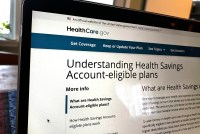
Is It Worth Your Time and Money To Set Up an HSA?
If you have a high-deductible health insurance plan, you’re probably eligible to use a health savings account. It can be an administrative headache, but it can save you money in the long run. Here’s what you need to know.

In Switching to Original Medicare, Beware of Medigap Plan Refusals
Open enrollment season lasts until March 31 for people enrolled in Medicare Advantage who want to switch to original Medicare, but there’s a potential hitch.

Cada año millones de pacientes enfrentan negativas a través del proceso de autorización previa, que exige que sus doctores obtengan aprobación anticipada de las aseguradoras antes de continuar con la atención médica.
‘Dark Money’ Group Angles for Higher Medicare Advantage Payments
Get our weekly newsletter, The Week in Brief, featuring a roundup of our original coverage, Fridays at 2 p.m. ET.
Families Scramble To Pay Five-Figure Bills as Clock Ticks on Promised Preauthorization Reforms
Last summer, the Trump administration announced a voluntary pledge by health insurers to reform prior authorization, which often requires patients or their doctors to seek preapproval from insurers before proceeding with medical care. Patient advocates and medical providers remain skeptical.

Medicare Advantage ‘Dark Money’ Group Attempts To Win Higher Payments for Insurance Companies
Medicare Advantage insurers say a proposal by the Trump administration to keep their payments nearly flat next year may lead to service cuts that harm seniors struggling to afford health care. A decision is due by early next month.
What the Health? From KFF Health News: RFK Jr.’s Very Bad Week
HHS Secretary Robert F. Kennedy Jr. had another tough week. In addition to Kennedy having rotator cuff surgery, the nomination of his ally to become surgeon general is teetering, the controversial head of the FDA’s vaccine center is resigning next month, and a new survey shows Americans trust government health officials less than they do former Biden official Anthony Fauci. Anna Edney of Bloomberg News, Joanne Kenen of the Johns Hopkins Bloomberg School of Public Health and Politico Magazine, and Shefali Luthra of The 19th join KFF Health News’ Julie Rovner to discuss these stories and more.

Florida no amplió Medicaid, pero igual algunos legisladores quieren imponer requisitos de trabajo
La medida desconcierta a defensores de la atención médica y a expertos en Medicaid. Algunos dudan, incluso, que sea legal bajo la principal ley de política interna del presidente Donald Trump.