Latest KFF Health News Stories

Democrats’ Plans to Expand Medicare Benefits May Pinch Advantage Plans’ Funding
As lawmakers weigh new spending provisions to cover dental, hearing and vision services for Medicare beneficiaries, a group supporting Medicare Advantage plans is airing commercials that raise concerns about the funding for those private plans.

Medicare Plans’ ‘Free’ Dental, Vision, Hearing Benefits Come at a Cost
The ads for supplemental Medicare Advantage plans describe vision and dental benefits, even grocery discounts and food deliveries. But look at the fine print.

3 States Limit Nursing Home Profits in Bid to Improve Care
Following the devastating impact of covid-19 on nursing homes, state lawmakers want to be sure that government and private payments primarily go to improve care and staffing.
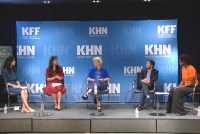
Watch: Going Beyond the Script of ‘Dopesick’ and America’s Real-Life Opioid Crisis
KHN teamed up with Hulu for a discussion of America’s opioid crisis, following the Oct. 13 premiere of the online streaming service’s new series “Dopesick.”

The Public Backs Medicare Rx Price Negotiation Even After Hearing Both Sides’ Views
But Americans generally have little confidence that the White House or Congress will recommend the right thing, a new poll shows.

Student Nurses Who Refuse Vaccination Struggle to Complete Degrees
The Biden administration is requiring workers at health care facilities that accept Medicare and Medicaid payments to be vaccinated. For the minority of nursing students who have refused a shot, the new policy could mean they can’t get the training they need in a hospital or other health care venue.
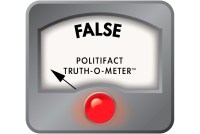
An Ad’s Charge That Price Haggling Would ‘Swipe $500 Billion From Medicare’ Is Incorrect
The ad, advanced by a right-leaning seniors advocacy organization, mischaracterizes proposals to bargain on drug prices, regarding both the effects on the Medicare program and on beneficiaries.
KHN’s ‘What the Health?’: The Autumn of Democrats’ Discontent
Congress is back in session with a short time to finish a long to-do list, including keeping the government operating and paying its bills. Hanging in the balance is President Joe Biden’s entire domestic agenda, including major changes proposed for Medicare, Medicaid and the Affordable Care Act. Meanwhile, the new Texas abortion law that bans the procedure early in pregnancy is prompting action in Washington. Joanne Kenen of Politico, Mary Ellen McIntire of CQ Roll Call and Sarah Karlin-Smith of the Pink Sheet join KHN’s Julie Rovner to discuss these issues and more. Also, Rovner interviews former FDA Commissioner Scott Gottlieb about his new book on the covid-19 pandemic.

Dentistas eliminan los problemas de las personas sin seguro ofreciéndoles ellos mismos planes
Estos planes limitados a una práctica están dirigidos principalmente a los 65 millones de estadounidenses que no tienen cobertura dental, y tienen que pagar de su bolsillo toda su atención.
Dentists Chip Away at Uninsured Problem by Offering Patients Membership Plans
The plans are designed for people who don’t get dental coverage through their jobs and can’t afford an individual plan. For about $300 to $400 a year, patients receive certain preventive services at no charge and other procedures at a discount.
KHN’s ‘What the Health?’: Much Ado About Drug Prices
Democrats have hit a snag in their effort to compile a $3.5 trillion social-spending bill this fall — moderates are resisting support for Medicare drug price negotiation provisions that would pay for many of the measure’s health benefit improvements. Meanwhile, the new abortion restrictions in Texas have moved the divisive issue back to the political front burner. Alice Miranda Ollstein of Politico, Rachel Cohrs of Stat and Shefali Luthra of The 19th join KHN’s Julie Rovner to discuss these issues and more. Also this week, Rovner interview’s KHN’s Phil Galewitz about the latest KHN-NPR “Bill of the Month” installment, about two similar jaw surgeries with very different price tags.

Census: Insured Population Holds Steady, With a Slight Shift From Private to Public Coverage
The Census Bureau on Tuesday released its 2020 findings regarding Americans’ income, poverty and health insurance coverage.

Justice Department Targets Data Mining in Medicare Advantage Fraud Case
The feds’ civil suit links exaggerated patient bills to “tens of millions” in overcharges.

Apple, Bose and Others Pump Up the Volume on Hearing Aid Options, Filling Void Left by FDA
A 2017 law designed to help lower the cost of hearing aids mandated that federal officials set rules for a new class of devices consumers could buy without needing to see an audiologist. But those regulations are still on hold.

Readers and Tweeters Ponder Vaccines and Points of Fairness
Kaiser Health News gives readers a chance to comment on a recent batch of stories.

Biden’s No-Jab-No-Job Order Creates Quandary for Nursing Homes
Nursing home operators acknowledge that large numbers of staff members are not getting the shots but fear a federal vaccination mandate could drive away workers in a tight labor market.
KHN’s ‘What the Health?’: Booster Time
As the delta variant continues to spread around the U.S., the Biden administration is taking steps to authorize covid vaccine boosters, require nursing home workers to be vaccinated and protect school officials who want to require masks despite state laws banning those mandates. Meanwhile, the U.S. House is returning from its summer break early to start work on its giant budget bill, which includes a long list of health policy changes. Alice Miranda Ollstein of Politico, Margot Sanger-Katz of The New York Times and Kimberly Leonard of Business Insider join KHN’s Julie Rovner to discuss these issues and more.
KHN’s ‘What the Health?’: The Senate Acts
The U.S. Senate worked well into its scheduled August recess to pass a bipartisan infrastructure bill and a budget blueprint that outlines a much larger bill — covering key health priorities — to be written this fall. Meanwhile, the latest surge of covid is making both employers and schools rethink their opening plans. Joanne Kenen of Politico, Mary Ellen McIntire of CQ Roll Call and Yasmeen Abutaleb of The Washington Post join KHN’s Julie Rovner to discuss these issues and more. Also, for “extra credit,” the panelists suggest their favorite health policy stories of the week they think you should read, too.

Why Doesn’t Medicare Cover Services So Many Seniors Need?
When the program began half a century ago, backers believed the benefits would expand over time, but politics and concerns about money have stymied most efforts. Now congressional Democrats are looking to add vision, dental and hearing care.
2+2=? Senate Uses Murky Math as It Shelves Drug Pricing Rule to Fund Infrastructure
The Medicare rule, designed by the Trump administration to take money away from drug industry brokers and provide refunds to patients, has not been implemented. But budget analysts say if it were, it would cost the government money. So senators are pushing the rule aside and claiming to save billions of dollars, which they want to use instead on new projects.