Watch: She Had a Home and a Good-Paying Job. Then Illness and Debt Upended It All.
A chronic health diagnosis and medical debt reordered Sharon Woodward’s life.

Journalists Delve Into Gun Violence, Medicaid’s ‘Unwinding,’ Opioid Lawsuits, and More
KFF Health News and California Healthline staffers made the rounds on national and local media this week to discuss their stories. Here’s a collection of their appearances.
Being Black and Pregnant in the Deep South Can Be a Dangerous Combination
Being Black has always been dangerous for pregnant women and infants in the South. And researchers say things are continuing to move in the wrong direction.

Food Sovereignty Movement Sprouts as Bison Return to Indigenous Communities
Native American leaders see bison herds and ancestral gardens as ways to bring healthy eating to their people.

Doctors on (Video) Call: Rural Medics Get Long-Distance Help in Treating Man Gored by Bison
A rural South Dakota medic said using an ambulance video system to communicate with a doctor gave him peace of mind as he treated a patient who was seriously injured when gored by a bison.

‘Forever Chemicals’ Found in Freshwater Fish, Yet Most States Don’t Warn Residents
At least 17 states have issued PFAS-related fish consumption advisories, KFF Health News found. But with no federal guidance, what is considered safe to eat varies significantly among states, most of which provide no regulation.

‘Forever Chemicals’ in Thousands of Private Wells Near Military Sites, Study Finds
New research finds that private wells near more than 82% of select military sites were contaminated with PFAS chemicals.
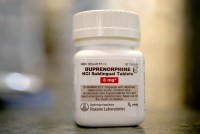
Evolving Overdose Crisis Shakes Previously Effective Treatments
The prevalence of synthetic drugs is undercutting a previously effective and widely embraced opioid use disorder treatment tactic. Now, the model pioneered in Vermont a decade ago and adopted at sites nationwide, especially in hard-to-reach rural areas, is being forced to evolve.

Extra Fees Drive Assisted Living Profits
The add-ons pile up: $93 for medications, $50 for cable TV. Prices soar as the industry leaves no service unbilled, out of reach for many families.

Most States Ban Shackling Pregnant Women in Custody, Yet Many Report Being Restrained
Advocates for pregnant people in police custody say repeated incidents show prohibitions on handcuffs and other restraints are little more than lip service.
Facing Financial Ruin as Costs Soar for Elder Care
The United States has no coherent system of long-term care, leading many to struggle to stay independent or rely on a patchwork of solutions.
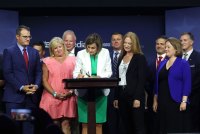
Iowa’s Governor Opposes Abortion — And Has Final Say on Whether Medicaid Pays for It
The federal government requires state Medicaid programs to pay for abortions in limited circumstances, but Iowa hasn’t done so for years. No providers seek Medicaid payments, which require the approval of the governor, an anti-abortion Republican.

As Transgender ‘Refugees’ Flock to New Mexico, Waitlists Grow
As many states have moved to restrict or ban gender-affirming care for trans people, a few states, including New Mexico, have codified protections. But those laws don’t always mean accessing care is simple or quick, as a surge in new patients in the state collides with limited doctors and clinics.
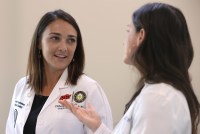
Medical School on Cherokee Reservation Will Soon Send Doctors to Tribal, Rural Areas
Native Americans and rural residents are underrepresented in medical schools. But in this new program, 25% of students are Indigenous and half are from rural areas.

Residents of a Rural Arkansas County Grapple With Endemic Gun Violence
Rural gun homicides have often been overshadowed by violence in cities. But they are taking their toll on small communities ill-equipped to deal with the challenges.

Millions of Rural Americans Rely on Private Wells. Few Regularly Test Their Water.
More than 43 million Americans drink, bathe, and cook with water from private wells, which can be tainted by farm or industrial runoff, leaky septic systems, or naturally occurring minerals.

Tiny, Rural Hospitals Feel the Pinch as Medicare Advantage Plans Grow
More than half of seniors are enrolled in private Medicare Advantage plans instead of traditional Medicare. Rural enrollment has increased fourfold and many small-town hospitals say that threatens their viability.

Feds Try to Head Off Growing Problem of Overdoses Among Expectant Mothers
Homicides, suicides, and drug overdoses have driven rising rates of pregnancy-related death in the U.S. This fall, six states received federal funding for substance use treatment interventions to prevent at least some of those deaths.
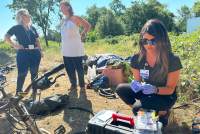
Health Care ‘Game-Changer’? Feds Boost Care for Homeless Americans
This month, the federal government started paying for treatments delivered outside hospitals and clinics, expanding funding for “street medicine” teams that treat homeless patients. California led the way on the change, which could help sick and vulnerable patients get healthy, sober, and, in some cases, into housing.
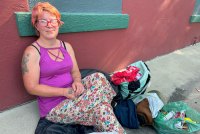
Pregnant and Addicted: Homeless Women See Hope in Street Medicine
As homelessness explodes across California, so does the number of expectant mothers on the streets. Street medicine doctors are getting paid more by Medicaid and offering some of those mothers-to-be a chance to overcome addiction and reverse chronic diseases so they can have healthy babies — and perhaps keep them.