Tracking State Rural Health Transformation Plans
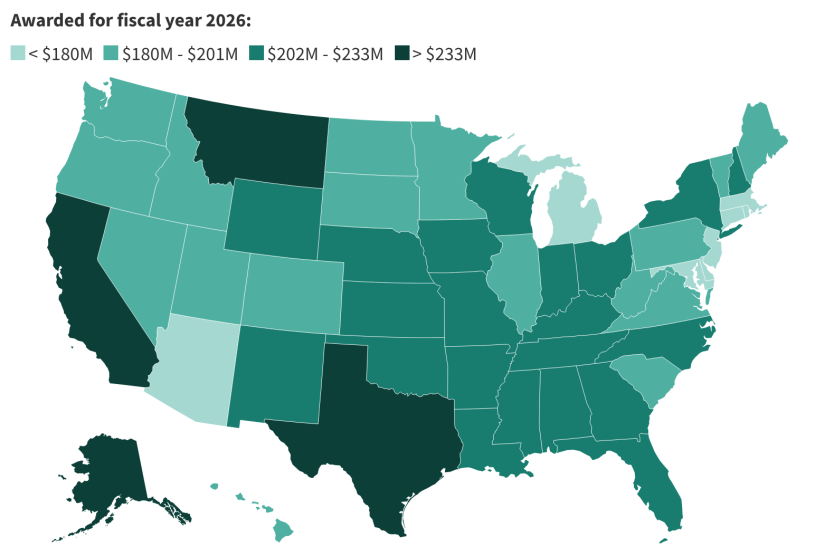
KFF Health News is working to collect and post approved plans as more states respond to emails and public records requests for their documents.
The independent source for health policy research, polling, and news.
KFF Health News covers the health issues facing people who live in America’s rural reaches.
KFF Health News is working to collect and post approved plans as more states respond to emails and public records requests for their documents.
421-440 of 830 results
For more than 20 years, children in Arkansas have been measured in school as part of a statewide effort to reduce childhood obesity. But the letters have had no impact on weight loss — and obesity rates have risen. Still, the practice of sending letters has spread to other states.
With an end-of-year deadline and a presidential election approaching, payment rules that fueled rapid expansion of telehealth in the United States face a last-minute congressional decision.
More doctors are integrating oral health care into their practices, filling a need in America’s dental deserts.
People in their prime working years living in rural America are 43% more likely to die of natural causes, like diseases, than their urban counterparts, a disparity that grew rapidly in recent decades, according to a new federal report.
A federal program that helped pay for more than 23 million low-income households’ internet access runs out of money soon. The end of the subsidy launched earlier in the pandemic could have profound impacts on health care access.
State institutions and community hospitals have closed inpatient mental health units, often citing staffing and financial challenges. Now, for-profit companies are opening psychiatric hospitals to fill the void.
Used to operating with scarce resources, Montana Medicaid providers say gaps in state payments have left them struggling further.
Ballad Health was granted the nation’s largest state-sanctioned hospital monopoly in 2018. Since then, its emergency rooms have become more than three times as slow.
There are legal safeguards to protect patients from big bills like out-of-network air-ambulance rides. But insurers may not pay if they decide the ride wasn’t medically necessary.
With U.S. syphilis rates climbing to the worst level in seven decades, public health experts and the federal Indian Health Service are scrambling to detect and treat the disease in Native American communities, where babies are infected at a higher rate than in any other demographic.
As money flows to abortion rights initiatives in states, some donors focus on where anger over the "Dobbs" ruling could propel voter turnout and spur Democratic victories up and down the ballot, including in key Senate races and the White House.
A 25-year-old state Supreme Court ruling protects abortion rights in conservative Montana. That hasn’t stopped Republicans and anti-abortion advocates from trying to institute a ban.
For-profit groups own more than 70% of U.S. nursing homes. Industry leaders and researchers wonder whether corporations and investors can succeed where not-for-profit organizations have struggled. Or, will quality of care suffer in the name of making money?
Years of struggle prepared residents in Cabell County, West Virginia, to confront the latest wave of the opioid epidemic as mixtures of fentanyl and other drugs claim lives nationwide.
California Gov. Gavin Newsom’s signature ballot measure to address mental illness, addiction, and homelessness with a $6.4 billion bond and other reforms, is barely ahead in the ongoing ballot count. The slim margin reflects a growing unease among Californians over the governor’s homelessness initiatives.
On this episode of “An Arm and a Leg,” host Dan Weissmann breaks down the complicated and expensive world of Medicare with practical tips to pick the right plan and avoid penalties.
A recent report finds half of America’s rural hospitals are losing money, and many are struggling to stay open. Researchers and advocates worry the hospitals’ financial spiral will have immediate and long-term health effects on their communities.
A new California law allows trained physician assistants, also called physician associates, to perform first-trimester abortions without the presence of a supervising doctor. The legislation is part of a broader effort by the state to expand access to abortion care, especially in rural areas. Some doctor groups are wary.
The presidential election is likely to turn on the simple question of whether Americans want Donald Trump back in the White House. But health care tops the list of household financial worries for adults from both parties.
KFF Health News and California Healthline staff made the rounds on national and local media this week to discuss their stories. Here’s a collection of their appearances.
© 2026 KFF