In Tennessee, a Medicaid Mix-Up Might Land You on a ‘Most Wanted’ List
Tennessee posts the names and photos of people arrested for alleged Medicaid fraud on a government website and social media. Some people even wind up on a “most wanted” list.
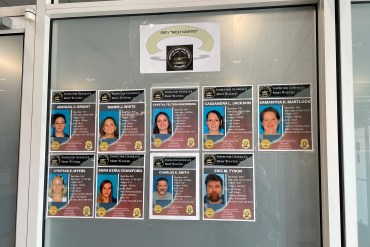
A Law Was Meant to Free Sick or Aging Inmates. Instead, Some Are Left to Die in Prison.
The First Step Act was supposed to help free terminally ill and aging federal inmates who pose little or no threat to public safety. But while petitions for compassionate release skyrocketed during the pandemic, judges denied most requests.
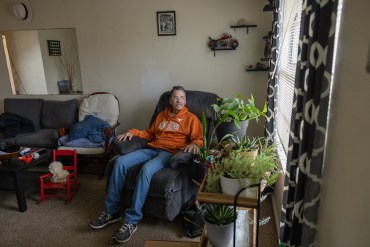
Cleanup Workers Got Sick After Deepwater Horizon Oil Spill. They Want BP to Pay.
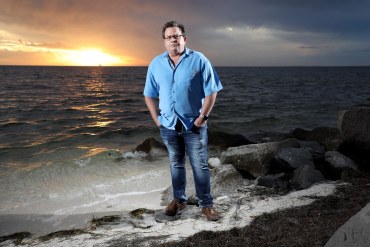
After the BP Deepwater Horizon oil spill in 2020, Rodney Boblitt’s job was to patrol a 14-mile stretch of coastline in the Florida Panhandle looking for signs of oil washing ashore. Today, the 54-year-old is among thousands of other cleanup workers who are experiencing health issues and suing BP. But proving their health conditions were caused by the oil has been challenging.
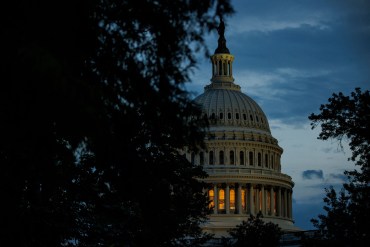
After Staying Away During Pandemic, Doctors Return to Lobby Congress
Hundreds of physicians came to Washington this week to lobby Congress about their “recovery plan” for physicians, which includes a Medicare pay boost and an end to some frustrating insurance company requirements.

As Covid Grabbed the World’s Attention, Texas’ Efforts to Control TB Slipped
Responding to covid has taken so much attention and energy that some public health workers believe it pushed tuberculosis off people’s radar.
Doctors Are Disappearing From Emergency Rooms as Hospitals Look to Cut Costs
As a money-saving strategy, emergency rooms are turning to nurse practitioners, physician assistants, and other staffers who earn far less than physicians.

Congress Told HHS to Set Up a Health Data Network in 2006. The Agency Still Hasn’t.
Since 2006, federal officials have been charged with setting up a network to let various parts of the U.S. health system share information during emergencies. It still hasn’t been built or even planned, even after the communication and data-sharing failures put on display during the pandemic.

Journalists Probe Problems in Providing Care for Foster Kids and Propping Up Addiction Treatment
KHN and California Healthline staff made the rounds on national and local media this week to discuss their stories. Here’s a collection of their appearances.

As Long-Term Care Staffing Crisis Worsens, Immigrants Can Bridge the Gaps
The industry has long relied on immigrants to bolster its ranks, and they’ll be critical to meeting future staffing needs, experts say. But as the baby boom generation fills beds, policymakers are slow to open new pathways for foreign workers.

As Pandemic-Era Medicaid Provisions Lapse, Millions Approach a Coverage Cliff
States are trying to reach millions of Medicaid enrollees to make sure those still eligible remain covered and help others find new health insurance.

Some Addiction Treatment Centers Turn Big Profits by Scaling Back Care
Private equity groups are cashing in on rising rates of alcohol and drug addiction in the U.S. But they aren’t necessarily investing in centers with the best treatment standards, and they often cut extra services.

Florida Gov. DeSantis Falsely Claims Bivalent Booster Boosts Chances of Covid Infection
Experts say the Florida governor’s conclusion could not be drawn from the study he cited, adding that the research focused on health care workers, who are likelier to be exposed to covid and more likely to be vaccinated. Those findings should not be applied to the general public.

Unmet Needs: Critics Cite Failures in Health Care for Vulnerable Foster Children
More states are moving to specialized managed-care contracts solely to handle medical and behavioral services for foster kids. But child advocates, foster parents, and even state officials say these and other care arrangements are shortchanging foster kids’ health needs.

Transgender People in Rural America Struggle to Find Doctors Willing or Able to Provide Care
Many health professionals in rural areas don’t know how to provide gender-affirming care, leaving transgender patients with few options.
Abortion Debate Ramps Up in States as Congress Deadlocks
Abortion is a top issue for state lawmakers meeting for their first full sessions since Roe v. Wade was overturned.
Why People Who Experience Severe Nausea During Pregnancy Often Go Untreated
Because morning sickness is common, severe nausea in pregnancy can be minimized by doctors or the patients themselves. Untreated, symptoms can worsen — and delays lead to medical emergencies.

Bleeding and in Pain, a Pregnant Woman in Louisiana Couldn’t Get Answers
How one Louisiana woman experiencing a miscarriage sought care amid a climate of fear and confusion among doctors fueled by that state’s restrictive abortion law.
Journalists Review 2022’s Top Health Stories and the CDC’s Policy on Remote Work
KHN and California Healthline staffers made the rounds on national and local media this week to discuss their stories. Here’s a collection of their appearances.
More Orthopedic Physicians Sell Out to Private Equity Firms, Raising Alarms About Costs and Quality
While some doctors seem eager for a huge payoff, others are warily watching what happens when private equity firms take charge of orthopedic practices.

In North Carolina, More People Are Training to Support Patients Through an Abortion
In the months since Roe v. Wade was overturned, training groups in North Carolina have seen an uptick in interest from people wanting to become abortion doulas.